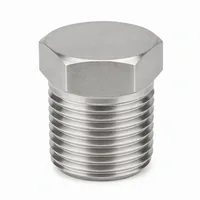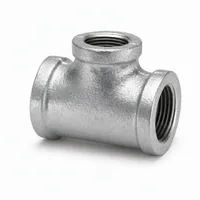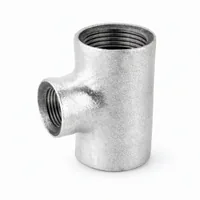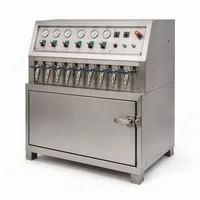
Sand Blasting Spares
Media Reclaim System bucket elevator
| Model range | DC-1000 / DC-2000 / DC-3000 |
|---|---|
| Airflow | 1,000 – 3,000 m³/hr |
| Motor | 2 HP – 5 HP |
| Filter | Cartridge + pulse-jet cleaning |
| Construction | Powder-coated mild steel |
| Warranty | 12 months |
| Delivery | Confirmed on enquiry |
- Tested before dispatch
- Demo / site visit
- Installation support
- GST invoice
Models & Price
Compare airflow and motor — then request price for the model that fits.
| Model | Airflow | Motor | Best for | |
|---|---|---|---|---|
| DC-1000 | 1,000 m³/hr | 2 HP | Small workshops | |
| DC-2000Popular | 2,000 m³/hr | 3 HP | Blasting & grinding | |
| DC-3000 | 3,000 m³/hr | 5 HP | Production lines |
Specifications
Technical details for planning, quotation and supply.
| Product | Media Reclaim System bucket elevator |
|---|---|
| Product Type | Media Reclaim System Bucket Elevator |
| Application | Abrasive media recovery in blast rooms and shot blast machines |
| Media Compatibility | Steel shot, steel grit, aluminum oxide, garnet, and other blast abrasives |
| Elevator Height / Lift | Customizable to blast system layout |
| Throughput Capacity | Depends on model and media density |
| Belt Type | Heavy-duty abrasion-resistant belt |
| Bucket Material | Hardened steel or wear-resistant polymer |
| Casing Construction | Fabricated steel with replaceable wear liners |
| Motor Power | Sized according to lift height and capacity |
| Power Supply | Standard industrial voltage; confirm for your region |
| Dust Control Connection | Vented casing for dust collector integration |
| Spare Parts Availability | Buckets, belts, bearings, liners available on request |
Product description
Details buyers use to confirm grade, use and supply.
How a media reclaim bucket elevator works in a blast system
In a typical blast room or shot blast machine reclaim loop, spent media falls through a floor grate or hopper into a collection trough. A horizontal screw conveyor or vibratory feeder moves the media to the boot of the bucket elevator. The elevator’s continuous belt with attached buckets scoops the abrasive mix and lifts it vertically to the top discharge point, where it drops into an air-wash separator. The separator removes dust and broken-down fines, returning clean, sized media to the storage hopper for reuse.
Because the elevator handles sharp, dense, and sometimes hot abrasive particles, its design differs from standard grain or aggregate elevators. Abrasive-service bucket elevators typically feature heavy-duty belts, reinforced buckets, abrasion-resistant boot liners, sealed bearings, and controlled belt speeds to reduce wear and maintain consistent feed rates.
Key selection considerations for abrasive media elevators
When evaluating a media reclaim bucket elevator for your blasting operation, several factors influence performance and service life. The elevator must match the media type, throughput, and lift height of your system.
- Media type and density: Steel shot and grit are denser and more aggressive than mineral abrasives like garnet or aluminum oxide. The bucket design, belt strength, and casing wear protection must suit the specific abrasive.
- Elevator height and discharge height: The vertical lift required depends on the separator and storage hopper elevation. Taller elevators need proper belt tensioning, intermediate support, and adequate motor power.
- Throughput capacity: The elevator must handle the maximum media flow rate of the blast system, typically measured in tons per hour or kilograms per minute. Undersized elevators cause bottlenecks and reduce blasting efficiency.
- Belt speed and bucket spacing: Slower belt speeds reduce abrasive wear on buckets and casing, while proper bucket spacing ensures consistent discharge without back-feeding.
- Wear protection: Replaceable liners in the boot, head, and casing sections extend elevator life. Hardened or polyurethane buckets resist abrasive erosion.
- Dust control: The elevator casing should be sealed with proper venting to a dust collector, minimizing fugitive dust emissions in the workplace.
Integration with blast room and shot blast machine reclaim systems
The bucket elevator does not operate in isolation. It forms part of a complete media reclaim package that typically includes a floor hopper, screw or belt conveyor, bucket elevator, air-wash separator, and storage hopper. Compatibility between these components is essential. The elevator’s inlet must align with the horizontal conveyor discharge, and the elevator discharge chute must correctly interface with the separator inlet. SPA2Z helps buyers identify elevators that integrate with common blast room and shot blast machine layouts, reducing installation time and ensuring smooth media flow.
Common applications in surface preparation
Media reclaim bucket elevators are found in a range of industrial surface preparation environments:
- Blast rooms: Large manual blasting enclosures where abrasive falls through a grated floor into a recovery trough and is elevated back to the separator.
- Shot blast machines: Tumble-blast, table-blast, and hanger-type machines with integrated reclaim elevators that continuously recycle steel shot or grit.
- Steel fabrication shops: Facilities blasting structural steel, plates, and fabrications before coating, where media recovery reduces abrasive consumption and waste.
- Foundries: Cleaning and descaling castings using shot blast equipment with reclaim elevators handling heavy steel media.
About SPA2Z — Media Reclaim System bucket elevator
SPA2Z supplies industrial blasting and surface preparation equipment, including media reclaim system bucket elevators for abrasive recovery applications. We understand that a properly specified elevator is essential for reliable media circulation and low operating cost in blast rooms and shot blast machines.
Our role is to help you navigate the selection process — matching elevator specifications to your abrasive type, throughput requirements, and existing reclaim layout. We support buyers with technical consultation, compatibility checks, and quotation requests. Whether you need a complete reclaim package or a replacement elevator for an existing system, SPA2Z connects you with suitable solutions backed by practical application knowledge.
- Assistance with elevator sizing and media compatibility for your blasting process
- Quotation support for complete reclaim systems or individual elevator units
- Guidance on integration with air-wash separators, conveyors, and storage hoppers
- After-sales and spare-parts coordination for bucket elevator maintenance
Applications
Where this machine is commonly installed.
Blast Room Media Recovery
Elevates spent abrasive from floor hoppers to air-wash separators in manual blasting enclosures, enabling continuous recycling of garnet, aluminum oxide, or steel grit.
Shot Blast Machine Reclaim
Integrated into tumble-blast, table-blast, and hanger-type shot blast machines for automatic recovery and cleaning of steel shot and grit.
Fabrication Shop Abrasive Handling
Supports high-volume blasting operations in steel fabrication facilities by reducing manual media handling and minimizing abrasive waste.
Foundry Casting Cleaning
Handles heavy steel media in foundry shot blast systems used for descaling and cleaning castings after shakeout.
FAQ
How do I choose the right machine model?
Can I get a demo or site visit?
Do you provide installation and spare parts support?
What warranty do you offer?
Related products
Other products buyers often view with this machine.