Abrasive
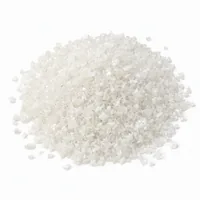
Plastic Abrasive 24 mesh
| Material | Industrial abrasive |
|---|---|
| Grade range | Multiple grades |
| Pack sizes | Bags / drums / bulk |
| MOQ | As per enquiry |
| Origin | India |
| Availability | Confirmed on enquiry |
| Delivery | Domestic & export |
- Tested before dispatch
- Demo / site visit
- Installation support
- GST invoice
Grades & Price
Compare grade and packing — then request the best price.
| Grade | Pack | Best for | Material | |
|---|---|---|---|---|
| S-280 | 25 kg bag | General blasting | — | |
| S-330Popular | 25 kg bag | Shot blasting | — | |
| S-390 | 25 kg / bulk | Heavy cleaning | — |
Specifications
Technical details for planning, quotation and supply.
| Product | Plastic Abrasive 24 mesh |
|---|---|
| Material | Urea-based plastic |
| Mesh Size | 24 mesh |
| Particle Shape | Angular |
| Hardness | needs_confirmation |
| Bulk Density | needs_confirmation |
| Pack Options | 25 kg bag, 50 kg bag, 1 ton jumbo bag, bulk tote, drum pack |
| MOQ | needs_confirmation |
| Origin | needs_confirmation |
| Recyclability | Multiple cycles possible depending on application |
| Application Method | Dry blast (pressure or suction), compatible with air blast systems |
Product description
Details buyers use to confirm grade, use and supply.
Low-Aggression Coatings Removal with Plastic Abrasive 24 Mesh
When blasting composite aircraft components, aluminum automotive panels, or delicate industrial tooling, the choice of media determines whether you strip the coating—or the part. Plastic Abrasive 24 mesh delivers controlled, low-impact stripping that removes paint and surface contaminants without etching, pitting, or warping the underlying material.
The 24 mesh grade offers a balanced particle size that provides sufficient cutting action for effective coating removal while maintaining the gentle touch required for fiberglass, carbon fiber, thin aluminum, and other sensitive substrates. Unlike mineral abrasives that embed or fracture on impact, urea plastic media particles wear progressively, exposing fresh cutting edges throughout their usable life.
How Plastic Abrasive Media Works
Plastic abrasive media operates on a simple principle: the particle hardness is lower than most industrial coatings but significantly lower than the substrate materials it protects. When propelled at controlled pressures—typically 2 to 5 bar in dry blasting systems—the angular particles fracture the brittle coating layer through a combination of impact energy and sharp-edge cutting action. Because the plastic media is softer than metals and composites, the stripping action stops at the substrate interface, leaving the base material intact.
This selective stripping behavior makes 24 mesh plastic abrasive the preferred choice for applications where chemical stripping is prohibited, thermal methods risk distortion, or manual sanding is too labor-intensive and inconsistent.
Typical Applications for 24 Mesh Plastic Abrasive
- Aerospace MRO: Paint and primer removal from aircraft skins, radomes, control surfaces, and composite fairings without substrate damage or moisture absorption.
- Automotive Restoration: Stripping body panels, hoods, doors, and plastic trim components to bare substrate without warping sheet metal or gouging filler.
- Composite Manufacturing: Surface preparation of fiberglass and carbon fiber parts prior to bonding or recoating; removal of release agents and light contamination.
- Industrial Maintenance: Cleaning molds, tooling, and production equipment where dimensional accuracy must be preserved.
- Marine Applications: Antifouling removal from GRP hulls without gel coat damage.
Packaging and Availability
SPA2Z supplies Plastic Abrasive 24 mesh in flexible pack configurations to match your project scale and handling equipment. Standard options include 25 kg bags for small-batch or trial use, 50 kg bags for regular production consumption, 1-ton jumbo bags for bulk blasting operations, and drum packs for controlled dispensing. Bulk tote quantities are available for high-volume users with silo or hopper feed systems.
Selection Guidance for Buyers
Choosing the correct mesh size depends on your coating type, substrate material, and desired cycle time. The 24 mesh grade represents a mid-range particle size in the plastic abrasive family—coarser than 30/40 mesh finishing grades but finer than 12/16 mesh heavy-stripping grades. If you are unsure which grade suits your application, our team can help you evaluate coating thickness, substrate sensitivity, and blasting parameters to recommend the optimal specification.
About SPA2Z — Plastic Abrasive 24 Mesh Supply and Support
SPA2Z supplies industrial-grade Plastic Abrasive 24 mesh to surface preparation contractors, aerospace MRO facilities, automotive workshops, and industrial maintenance teams across India and global markets. As part of our comprehensive abrasive media range, this urea-based plastic media complements our portfolio of blasting equipment, spare parts, and surface preparation consumables—giving you a single source for compatible blast media and the equipment that delivers it.
We support buyers with grade selection guidance, pack size flexibility from trial quantities to bulk orders, and technical consultation on blasting parameters for specific coating-substrate combinations. Whether you are setting up a new stripping process or optimizing an existing line, our team helps you match the right media specification to your operational requirements.
- Request a quotation with your required mesh size, pack type, and estimated monthly volume
- Ask about compatibility with your existing blast equipment and nozzle configurations
- Enquire about bulk pricing and scheduled delivery options for ongoing consumption
Applications
Common industrial uses for this abrasive.
Aerospace Paint Stripping
Removes paint and primer from aircraft skins, radomes, and composite control surfaces without substrate damage or moisture absorption.
Automotive Body Panel Restoration
Strips coatings from aluminum and steel panels, plastic trim, and composite body parts without warping or gouging.
Composite Surface Preparation
Prepares fiberglass and carbon fiber surfaces for bonding or recoating by removing release agents and light contamination.
Mold and Tooling Cleaning
Cleans production molds, dies, and tooling while preserving critical dimensions and surface finish.
FAQ
What grades or mesh sizes are available?
What is the minimum order quantity?
Can I get a sample before ordering?
How is the abrasive packed for export?
Related products
Other abrasives and media buyers often view.