Thermal Spray Gun > Coating Powder
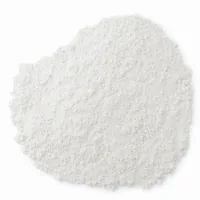
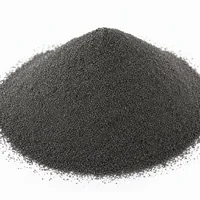
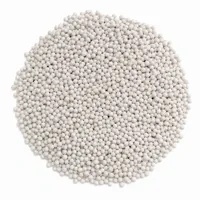
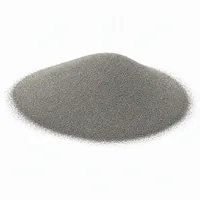
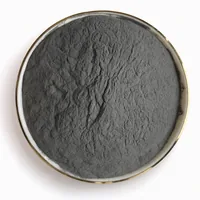
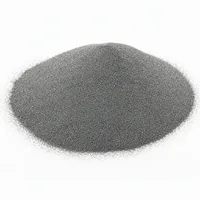
Ceramic Zirconia Powder 45-90 µm
| Powder | Thermal spray powder |
|---|---|
| Mesh | Multiple meshes |
| Process | HVOF / plasma |
| Pack | Sealed packs |
| MOQ | 1 pack |
| Availability | Confirmed on enquiry |
| Delivery | Domestic & export |
- Tested before dispatch
- Demo / site visit
- Installation support
- GST invoice
Mesh & Price
Compare mesh and packing — then request price.
| Mesh | Density | Process | Best for | |
|---|---|---|---|---|
| −140 +325Popular | — | HVOF / plasma | Popular mesh | |
| −325 | — | Plasma | Fine coat |
Specifications
Technical details for planning, quotation and supply.
| Product | Ceramic Zirconia Powder 45-90 µm |
|---|---|
| Product Name | Ceramic Zirconia Powder |
| Particle Size Range | 45-90 µm |
| Pack Options | 5 kg tin | 10 kg tin | 25 kg pail |
| Chemistry / Stabilizer Type | Available on request |
| Morphology | Available on request |
| Recommended Processes | HVOF, Plasma Spray, Flame Spray |
| Coating Hardness | Application-dependent; data on request |
| Availability | Subject to stock; enquiry recommended |
Product description
Details buyers use to confirm grade, use and supply.
Zirconia Powder for Durable Thermal Spray Coatings
Zirconia-based ceramic coatings are widely specified for applications that demand high hardness, excellent thermal barrier properties, and resistance to chemical attack. The 45-90 µm particle size distribution is a common choice for achieving good flowability and consistent melting in thermal spray guns, resulting in a uniform coating microstructure.
This powder is typically applied using HVOF (High-Velocity Oxygen Fuel), atmospheric plasma spray (APS), or flame spray systems. The final coating properties—such as porosity, hardness, and bond strength—are influenced by the spray parameters and the specific powder chemistry. Buyers are encouraged to discuss their process requirements with our team to confirm the optimal grade.
Key Selection Considerations
When specifying a ceramic zirconia powder, technical buyers typically evaluate the following factors. We can provide detailed data sheets on request to support your qualification process:
- Chemical Purity and Stabilization: The type and percentage of stabilizer (e.g., yttria, ceria) directly affect the phase stability and performance of the coating at high temperatures.
- Particle Morphology: The shape and surface area of the powder particles influence flowability, deposition efficiency, and coating density.
- Particle Size Distribution: The 45-90 µm cut is a standard range, but tighter or custom distributions can be discussed for specialized applications.
- Process Compatibility: Confirming the powder's suitability for your specific HVOF, plasma, or flame spray equipment is a critical first step.
About SPA2Z — Your Source for Ceramic Zirconia Powder
SPA2Z supports industrial coating operations by supplying thermal spray powders and related equipment. For buyers of this ceramic zirconia powder, we focus on providing clear technical information, reliable pack sizes, and a straightforward enquiry process. We understand that coating projects depend on consistent powder quality, and we work to connect you with the right grade for your application.
Whether you are setting up a new coating line, qualifying an alternative powder source, or need a regular supply for production, our team can assist with grade selection and provide a commercial quotation. We serve manufacturing companies, maintenance teams, and distributors across India and global markets.
- Request a detailed powder specification sheet.
- Discuss particle size customization or pack size options.
- Get a quotation for your projected volume.
Applications
Where this powder is commonly sprayed.
Wear Resistance
Protects components like pump sleeves, rolls, and shafts from abrasive and erosive wear in harsh industrial environments.
Thermal Barrier Coatings
Provides thermal insulation for parts exposed to high-temperature gases, such as turbine blades and combustion chambers.
Chemical Attack Protection
Offers a chemically inert surface that resists corrosion from acids, alkalis, and other aggressive media.
FAQ
Which mesh size should I choose?
Which spray processes are supported?
Can I order a sample or bulk powder?
Can you share a certificate or material data sheet?
Related products
Related powders and coating consumables.