Thermal Spray Gun > Coating Powder
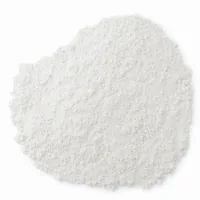
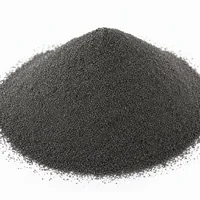
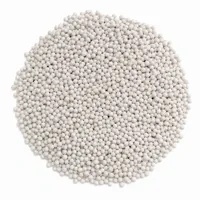
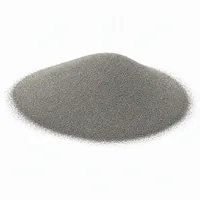
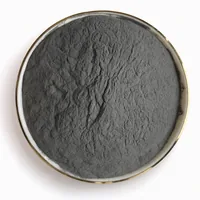
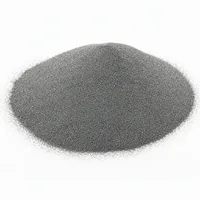
Titanium Dioxide Ceramic Powder 10-30 µm
| Powder | Thermal spray powder |
|---|---|
| Mesh | Multiple meshes |
| Process | HVOF / plasma |
| Pack | Sealed packs |
| MOQ | 1 pack |
| Availability | Confirmed on enquiry |
| Delivery | Domestic & export |
- Tested before dispatch
- Demo / site visit
- Installation support
- GST invoice
Mesh & Price
Compare mesh and packing — then request price.
| Mesh | Density | Process | Best for | |
|---|---|---|---|---|
| −140 +325Popular | — | HVOF / plasma | Popular mesh | |
| −325 | — | Plasma | Fine coat |
Specifications
Technical details for planning, quotation and supply.
| Product | Titanium Dioxide Ceramic Powder 10-30 µm |
|---|---|
| Material | Titanium Dioxide (TiO2) Ceramic |
| Particle Size | 10-30 µm |
| Product Form | Powder |
| Chemistry / Purity | needs_confirmation |
| Morphology | needs_confirmation |
| Suitable Processes | HVOF, Plasma Spray, Flame Spray |
| Coating Hardness | needs_confirmation |
| Pack Sizes | 5 kg tin, 10 kg tin, 25 kg pail |
Product description
Details buyers use to confirm grade, use and supply.
TiO2 Ceramic Powder for Thermal Spray
Titanium dioxide is a versatile oxide ceramic known for its high melting point, hardness, and excellent chemical stability. When applied as a thermal spray coating, it provides a balance of mechanical and functional properties. The 10-30 µm particle size distribution is a common specification for many HVOF and plasma spray systems, offering good flowability and consistent melting characteristics in the spray stream.
Key coating characteristics typically include high density, good bond strength to prepared substrates, and resistance to a range of chemical environments. This makes it a candidate for applications in pumps, valves, printing rolls, and other components where a hard, inert surface is required. The exact performance will depend on the specific powder grade, spray parameters, and substrate preparation.
Process Compatibility and Selection
This powder is generally suitable for several thermal spray processes. The final choice depends on the desired coating properties and the equipment available.
- HVOF (High-Velocity Oxygen Fuel): Produces very dense, well-bonded coatings with low porosity. Often the preferred method for wear and corrosion applications.
- Plasma Spraying: Offers flexibility for a wide range of coating thicknesses and can be used on various substrate geometries. Suitable for applications requiring a balance of cost and performance.
- Flame Spraying: A more economical process for less demanding applications where ultimate density is not the primary requirement.
We recommend discussing your specific process and equipment with our team. We can help verify the suitability of this powder grade for your system and provide a quotation based on your technical needs.
About SPA2Z — Your Source for Titanium Dioxide Ceramic Powder
SPA2Z supports industrial surface engineering professionals in sourcing specialized coating powders. We understand that buying a technical material like Titanium Dioxide Ceramic Powder is not a simple commodity purchase. It requires confirming particle size distribution, chemistry, morphology, and process compatibility.
Our role is to bridge the gap between your technical requirements and the right product. We provide a clear, enquiry-driven supply path for this 10-30 µm TiO2 powder. When you contact us, you get practical assistance with grade selection, pack size options (5 kg, 10 kg, 25 kg), and logistics for your location. We focus on making the procurement of your thermal spray consumables straightforward and reliable.
Applications
Where this powder is commonly sprayed.
Wear Resistance
Applied to pump sleeves, shafts, and mechanical seals to create a hard surface that resists abrasive and adhesive wear, extending component life.
Corrosion Protection
Provides a chemically inert barrier on valves, impellers, and process equipment exposed to corrosive fluids and environments.
Dielectric Coatings
Used in electrical and electronic applications where a non-conductive, high-dielectric-strength surface layer is required on a metallic substrate.
Printing and Textile Rolls
Applied to rollers to achieve a specific surface texture and hardness for gripping, traction, or ink transfer in printing and textile machinery.
FAQ
Which mesh size should I choose?
Which spray processes are supported?
Can I order a sample or bulk powder?
Can you share a certificate or material data sheet?
Related products
Related powders and coating consumables.