Abrasive Embedment: Causes, Risks, and How to Minimize It
When abrasive particles become trapped in a freshly blasted surface, they create hidden defects that can cause premature coating failure — a persistent challeng...
Published
01 Jan 2022
Category
Abrasives
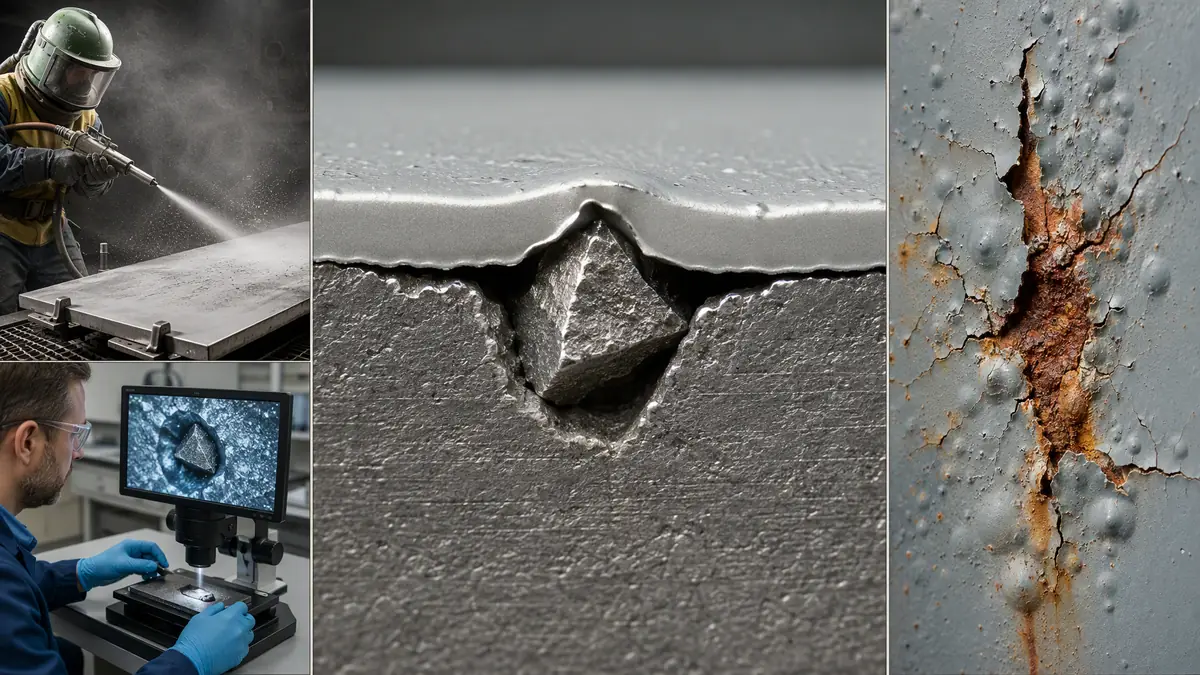
FIG. 01The lifecycle of abrasive embedment: from...
A professional four-panel editorial collage for an article on abrasive embedment. The dominant central panel is an extreme macro view of an embedded abrasive particle under a coating. Supporting panels show a blasting operator, a QA microscope inspection, and a final panel of a failed, rusted coatin
01 Introduction
When abrasive particles become trapped in a freshly blasted surface, they create hidden defects that can cause premature coating failure — a persistent challenge known as abrasive embedment.
02 Introduction
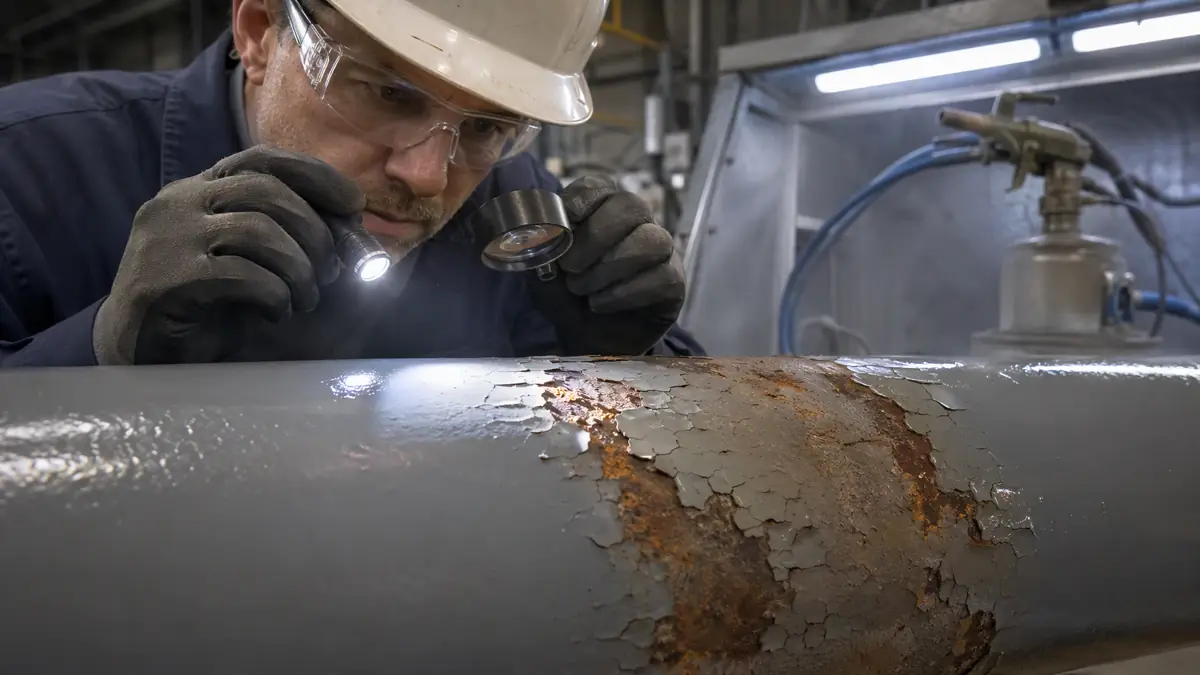
A coating quality engineer discovers premature rust blooms and adhesion failure on a recently blasted and coated pipe, a classic symptom of undetected abrasive
A quality engineer inspects a failed coating on an industrial steel pipe. The image contrasts a pristine coated area with a severely rusted and peeling section, visually representing the 'invisible threat' of abrasive embedment described in the article's introduction.
You have just completed a blast-cleaning operation. The surface looks clean, the profile appears uniform, and the coating crew is ready to apply the primer. Weeks later, rust blooms appear beneath the coating, and adhesion tests reveal a failure nobody anticipated. The root cause is often traced back to a single, frequently overlooked problem: abrasive embedment.
For coating quality engineers and surface preparation professionals, abrasive embedment represents one of the most insidious threats to coating integrity. It is invisible to the naked eye during routine inspection, yet it can compromise years of protective coating performance. This article examines the root causes of abrasive embedment, the risks it poses to coating systems, and the practical steps you can take to minimize it in your blasting operations.
03 What Is Abrasive Embedment?
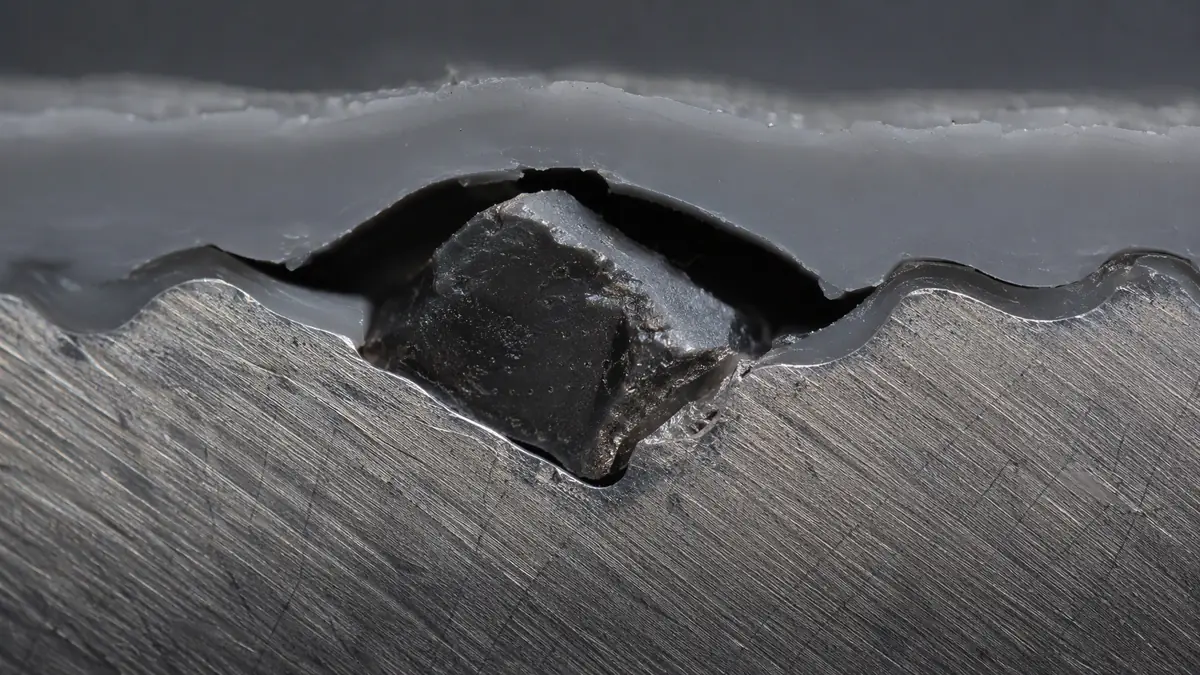
A cross-sectional macro view reveals the mechanism of abrasive embedment: a sharp grit particle mechanically trapped in the surface profile, creating a disconti
A detailed, scientific macro photograph showing a cross-section of a coated metal substrate. A single, angular abrasive particle is visibly embedded in the metal's anchor profile, with a clear void around it under the coating, perfectly illustrating the definition of abrasive embedment.
Abrasive embedment occurs when particles of blast media become lodged in or mechanically trapped by the substrate during surface preparation. Instead of rebounding cleanly after impact, the abrasive particle remains partially or fully embedded in the base material.
This phenomenon is distinct from normal surface contamination. In abrasive embedment, the foreign particle becomes an integral part of the surface profile — sitting within the peaks and valleys created by the blasting process itself. When a coating is subsequently applied, the embedded particle acts as a discontinuity, creating a weak point where moisture, oxygen, and corrosive agents can initiate coating failure.
The problem is particularly prevalent on soft substrates such as aluminium, galvanized steel, and certain stainless steel grades, where the base material lacks the hardness to resist particle retention. However, even harder steels can experience embedment when process parameters are poorly controlled.
04 Why Abrasive Embedment Is a Critical Concern
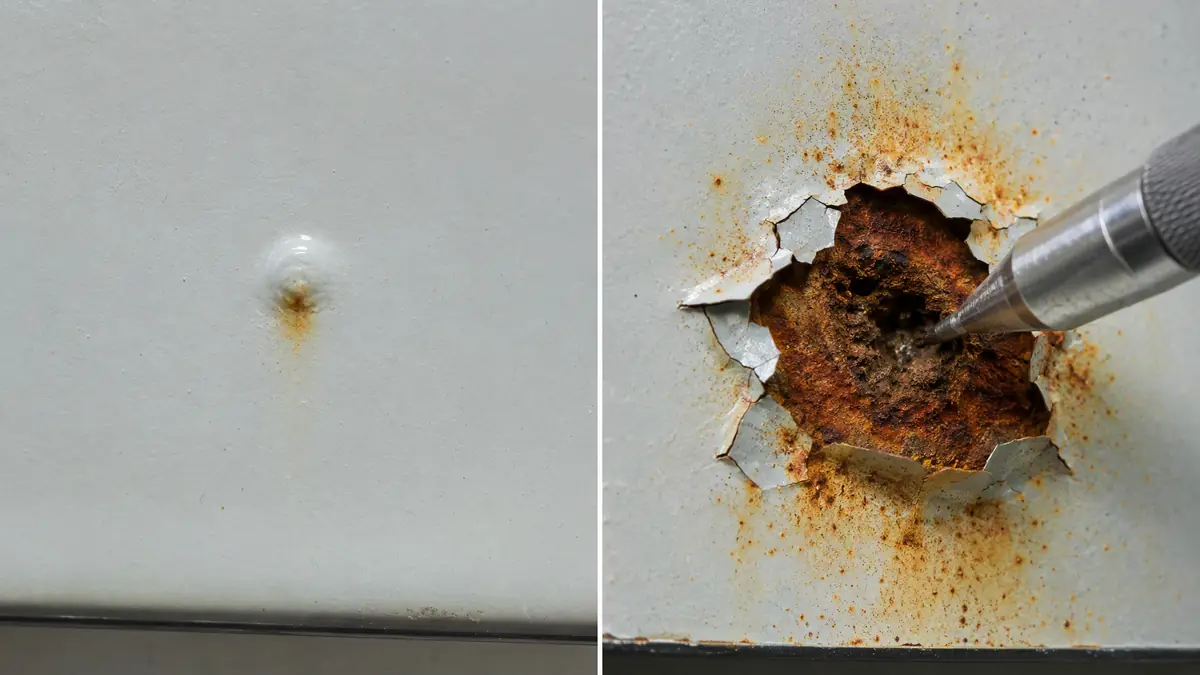
A single panel demonstrates the critical consequences of embedment: an initial osmotic blister (left) progresses to severe galvanic corrosion and complete coati
A photorealistic image showing two stages of coating failure on one panel. The left shows an early-stage blister, and the right shows advanced rust and peeling, visually explaining the galvanic corrosion and osmotic blistering failure mechanisms caused by an embedded particle.
The consequences of abrasive embedment extend far beyond cosmetic imperfections. When embedded particles remain beneath a coating system, several failure mechanisms become active:
Galvanic corrosion: A metallic abrasive particle embedded in a dissimilar metal substrate creates a miniature galvanic cell in the presence of moisture, accelerating localized corrosion.
Osmotic blistering: Soluble contaminants trapped within or around embedded particles draw moisture through the coating film, causing blisters that grow over time.
Reduced adhesion: The embedded particle interrupts the intimate contact between coating and substrate, reducing the effective bonding area and creating stress concentration points.
Premature coating breakdown: What begins as a microscopic defect can propagate into widespread delamination, rust spotting, and complete coating system failure.
For asset owners and coating specifiers, these failures translate directly into increased maintenance costs, unplanned downtime, and potential safety risks. In industries governed by standards such as ISO 8501, SSPC, and NACE, undetected abrasive embedment can also lead to non-compliance and contractual disputes.
05 Root Causes of Media Particle Embedding
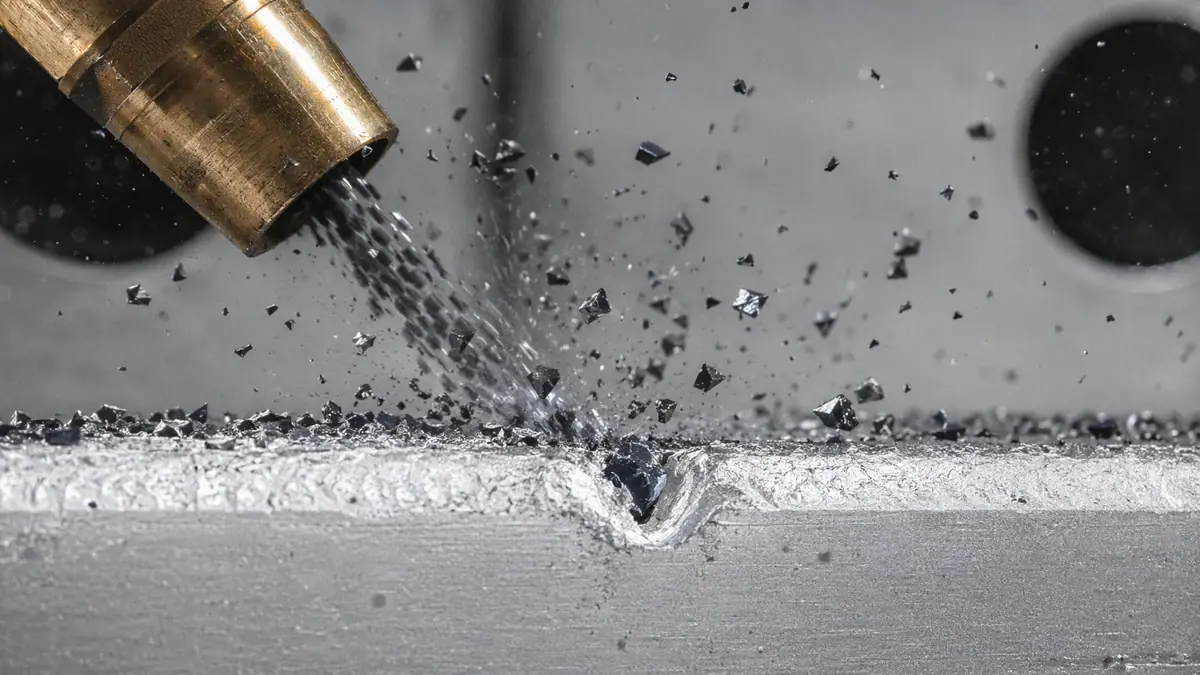
A high-speed view of the root cause: a hard, angular steel grit particle penetrates and becomes trapped in a soft aluminum substrate during blasting, instead of
A dynamic, high-speed macro shot of the blasting process. A stream of dark steel grit hits an aluminum surface; while most particles rebound, one is shown penetrating the metal, visually explaining the substrate hardness mismatch and excessive pressure root causes of embedment.
Understanding why abrasive embedment occurs is essential to preventing it. The primary causes fall into several categories:
1. Substrate Hardness Mismatch
When a hard, angular abrasive strikes a relatively soft substrate, the particle can penetrate the surface rather than fracturing or rebounding. Aluminium, for example, is significantly softer than steel grit or aluminium oxide abrasive. The kinetic energy that should be dissipated through particle fracture is instead absorbed by the substrate, which deforms around the particle and traps it.
2. Excessive Blast Pressure
Higher blast pressures increase particle velocity. While this can improve cleaning rates on robust steel surfaces, it dramatically raises the risk of embedment on softer materials. The particle strikes with enough force to penetrate beyond the intended surface profile depth.
3. Abrasive Shape and Friability
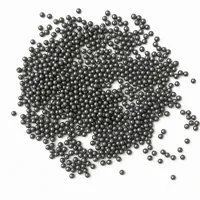
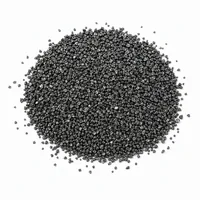
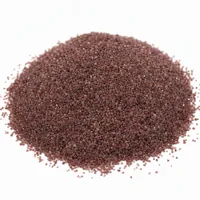
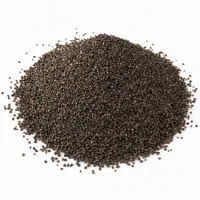
Angular, durable abrasives such as aluminium oxide and steel grit cut aggressively but are also more likely to embed when used incorrectly. Less friable (shatter-resistant) media retain their sharp edges throughout the blast cycle, maintaining their penetration capability. In contrast, more friable media like garnet fracture upon impact, reducing the likelihood of deep embedment.
4. Contaminated or Worn Abrasive
Recycled abrasive that has broken down into finer particles can behave unpredictably. Fines mixed with dust and broken-down media fragments can be driven into the surface more easily than properly sized, fresh abrasive. Additionally, abrasive contaminated with oils, moisture, or soluble salts can compound the damage by introducing chemical contaminants alongside the physical particle.
5. Incorrect Angle of Impingement
Blasting at an angle too close to perpendicular (90 degrees) drives particles directly into the substrate. A shallower angle — typically 60 to 70 degrees for most applications — allows the abrasive to shear across the surface, cutting contaminants away while reducing the tendency to embed.
06 How to Minimize Abrasive Embedment
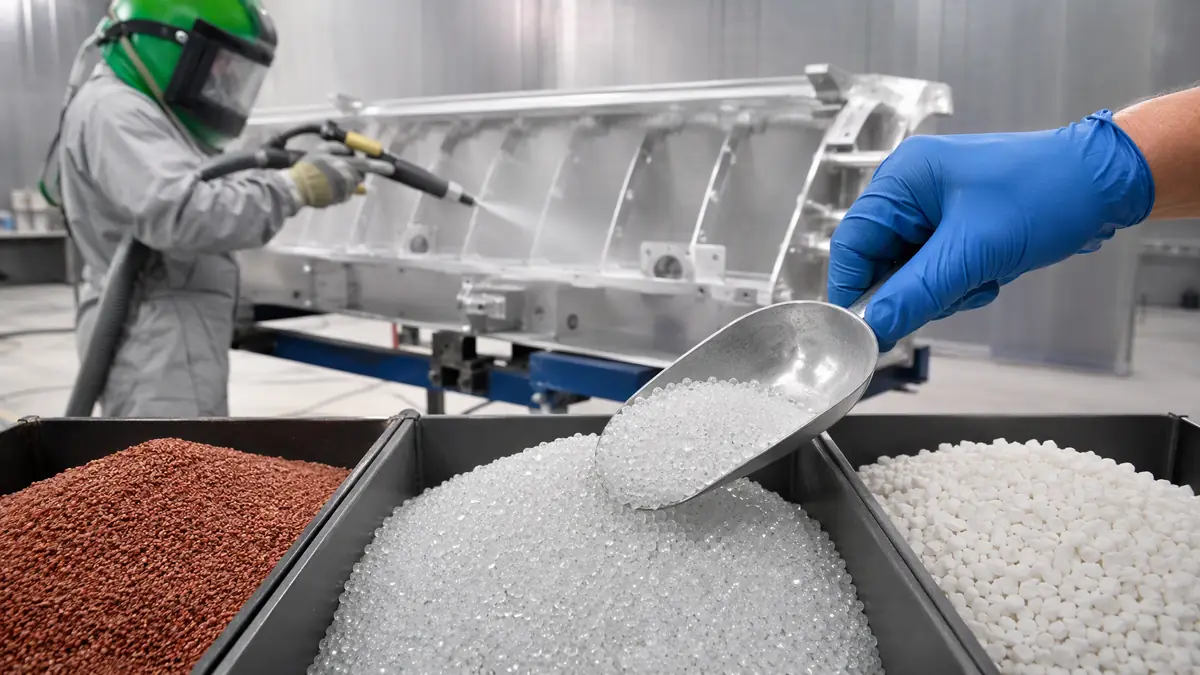
Minimizing embedment starts with proper media selection, like glass bead for aluminum, and correct blasting technique, shown by the operator's oblique nozzle an
A scene depicting best practices for minimizing abrasive embedment. A technician selects a softer, rounded glass bead abrasive, while in the background, an operator blasts an aluminum part with the nozzle at a safe, oblique angle, illustrating the article's key mitigation strategies.
Preventing abrasive embedment requires a systematic approach that considers substrate properties, abrasive selection, and blasting parameters together. The following practices form the foundation of an effective mitigation strategy.
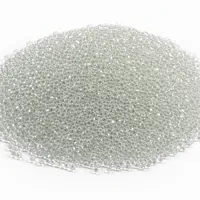
For aluminium and other soft non-ferrous metals, use non-metallic, softer abrasives such as garnet, glass bead, or plastic media. Avoid steel grit, steel shot, and aluminium oxide unless the specification explicitly permits them and process controls are stringent.
For stainless steel, use non-metallic abrasives or stainless steel grit to avoid ferrous contamination that can initiate pitting corrosion. Garnet and aluminium oxide are common choices, but embedment risk must be managed through pressure and angle control.
For carbon steel, harder abrasives like steel grit and aluminium oxide are generally acceptable, but embedment can still occur if the abrasive is excessively fine or blast pressure is too high.
Control Blast Pressure
Adjust blast pressure to the minimum level that achieves the required cleanliness and surface profile. On aluminium substrates, pressures as low as 2–3 bar (30–45 psi) may be sufficient, whereas carbon steel might tolerate 6–7 bar (90–100 psi). Always consult the abrasive supplier’s recommendations and validate through testing on representative coupons.
Optimize Nozzle Angle and Distance
Maintain a nozzle angle of approximately 60–70 degrees relative to the surface. This promotes a shearing action that removes contaminants while minimizing direct particle penetration. Nozzle-to-surface distance should typically be maintained between 300 and 500 mm, depending on the nozzle type and blast pressure — closer distances concentrate impact energy and increase embedment risk.
Use Proper Abrasive Sizing
Finer abrasive particles are more likely to embed because their smaller mass allows them to penetrate surface irregularities more easily. Select the coarsest abrasive grade that can still produce the specified surface profile. For example, a 30/60 mesh garnet may be preferable to an 80 mesh for applications where embedment is a concern.
Maintain Abrasive Cleanliness
In recycling blasting systems, ensure that air wash separators and classifiers are functioning correctly to remove fines, dust, and broken-down particles. Regularly replenish the working mix with fresh abrasive to maintain consistent particle size distribution. For single-pass operations, source abrasive from reputable suppliers who can provide certificates of analysis confirming particle size and cleanliness.
Conduct Post-Blast Inspection
Visual inspection alone is insufficient to detect abrasive embedment. Techniques that can help include:
Tape testing: Applying and removing adhesive tape can lift loosely embedded particles, making them visible.
Magnified visual inspection: Using a handheld microscope or loupe with 10x–30x magnification can reveal embedded particles within the surface profile.
Surface conductivity testing: For non-ferrous substrates, a conductivity meter can detect the presence of ferrous contamination from embedded steel abrasive.
07 Common Mistakes to Avoid
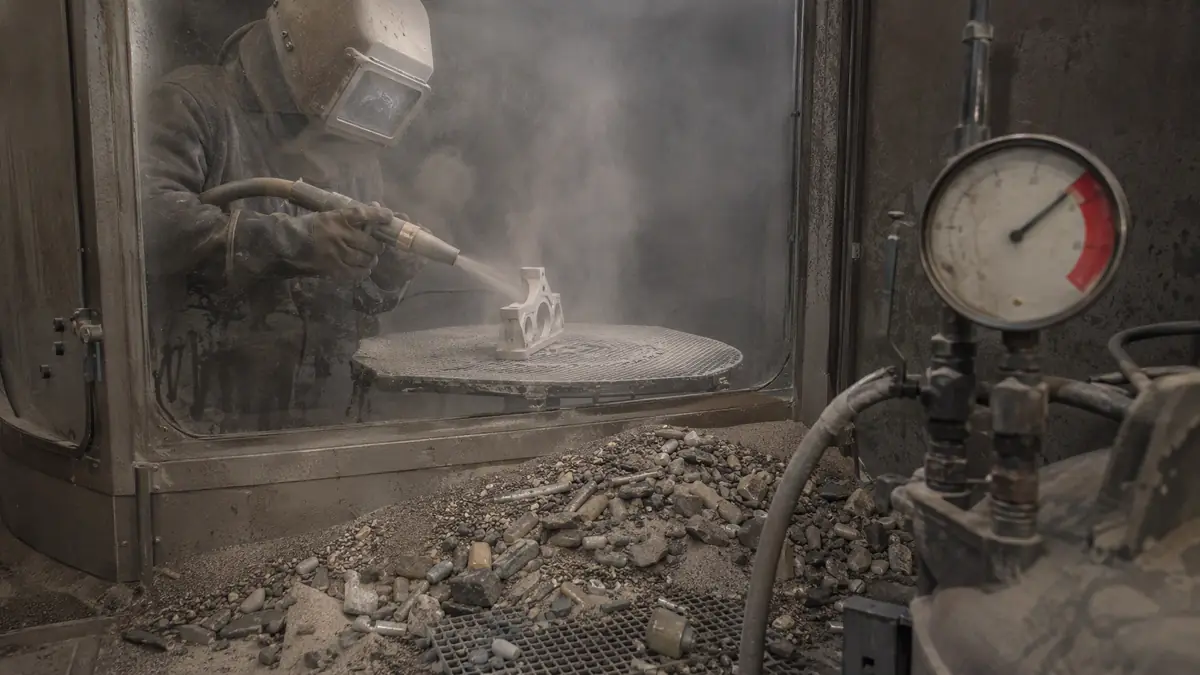
A scene of poor practice: blasting at 90 degrees with excessive pressure and dust-laden, contaminated recycled abrasive dramatically increases the risk of parti
An image depicting common blasting mistakes. An operator uses a perpendicular nozzle angle and high pressure on an aluminum part in a dusty environment with contaminated abrasive on the floor, visually summarizing the errors of using one abrasive for all jobs, excessive pressure, and neglecting abra
Even experienced blasting operators can fall into patterns that increase embedment risk. Watch for these frequent errors:
Using the same abrasive for every job: A one-size-fits-all approach ignores the fundamental differences between substrates. What works on structural steel may ruin an aluminium fabrication.
Cranking up pressure to speed up production: Higher pressure may clean faster, but the cost of rework due to coating failure far outweighs the time saved.
Neglecting abrasive condition in recycling systems: Allowing fines to accumulate in the working mix is a direct path to increased embedment and inconsistent surface profiles.
Blasting at 90 degrees to the surface: This is the most common operator error that promotes particle embedding. Training and regular supervision can correct this habit.
Skipping post-blast inspection for embedment: Assuming the surface is clean because it looks clean is a gamble. Embedment is often invisible without magnification or testing.
Ignoring substrate temperature and humidity: Cold substrates can cause condensation, which makes particle retention more likely. Blasting should be avoided when the substrate temperature is less than 3°C above the dew point.
08 Best Practices for Coating Quality Assurance
Embedment prevention should be integrated into your broader quality assurance programme. Key steps include:
Pre-production trials: Before starting production blasting, run trials on sample plates that match the workpiece material. Inspect these coupons under magnification to verify that the chosen abrasive and parameters do not cause embedment.
Documented blast parameters: Record abrasive type, mesh size, blast pressure, nozzle angle, and standoff distance for each job. This creates traceability and helps diagnose problems if coating failures occur later.
Regular operator training: Ensure blasters understand the relationship between abrasive selection, substrate type, and embedment risk. Practical demonstrations using test coupons can be more effective than classroom instruction alone.
Supplier collaboration: Work closely with your abrasive supplier to select media that balances cleaning efficiency with low embedment risk for your specific applications.
09 Conclusion
Abrasive embedment is a preventable defect that continues to cause costly coating failures across industries. By understanding the mechanisms of particle retention — particularly on soft substrates — and implementing disciplined control over abrasive selection, blast pressure, nozzle technique, and post-blast inspection, coating quality engineers can significantly reduce the risk.
The key takeaway is that surface preparation is not simply about achieving a cleanliness standard or a profile depth. It is about producing a surface that is genuinely ready to receive and retain a protective coating for its full design life. That means ensuring the surface is free not only from mill scale and corrosion but also from the very media used to clean it.
10 Frequently Asked Questions
What exactly is abrasive embedment and why is it a problem for coatings?
Abrasive embedment occurs when blast media particles become mechanically trapped in the substrate instead of rebounding cleanly. These embedded particles create discontinuities under the coating, leading to failure mechanisms like galvanic corrosion, osmotic blistering, and reduced adhesion. The result is often premature coating breakdown, rust spotting, and costly rework.
Which substrates are most at risk for media particle embedding?
Soft substrates like aluminium, galvanized steel, and certain stainless steel grades are at the highest risk because they deform around the impacting particle. However, even harder carbon steel can experience embedment if blast pressure is excessive, the abrasive is too fine, or the abrasive is heavily contaminated with broken-down fines.
How do I select the right abrasive to prevent embedment on aluminium?
For aluminium and other soft non-ferrous metals, avoid hard, angular abrasives like steel grit and aluminium oxide. Instead, use softer, non-metallic options such as garnet, glass bead, or plastic media. The goal is to use a media that fractures upon impact or has lower penetration capability, combined with reduced blast pressure.
What blast pressure and nozzle angle should I use to minimize embedment?
Use the lowest pressure that achieves the required cleanliness, often 2–3 bar (30–45 psi) for soft metals. Maintain a nozzle angle of 60–70 degrees to the surface to promote a shearing action rather than direct penetration. Keep the nozzle distance between 300 and 500 mm to avoid concentrating impact energy.
Can I detect abrasive embedment with a standard visual inspection?
No, abrasive embedment is often invisible to the naked eye during routine inspection. You need enhanced techniques such as adhesive tape testing to lift loose particles, magnified visual inspection with a 10x–30x loupe, or surface conductivity testing on non-ferrous substrates to detect ferrous contamination from embedded steel media.
What is the most common operator mistake that causes particle embedding?
The most frequent error is blasting at a 90-degree angle directly perpendicular to the surface. This drives particles straight into the substrate. Other common mistakes include using excessively high pressure to speed up work, neglecting to remove fines in recycling systems, and using the same abrasive for all substrate types without adjustment.
How does worn or contaminated abrasive increase the risk of embedment?
As abrasive is recycled, it breaks down into finer particles and dust. These fines are more easily driven into surface irregularities. Contaminants like oils or soluble salts can also be embedded alongside the particle, compounding physical defects with chemical contamination that accelerates corrosion beneath the coating.
What is the next step after understanding these embedment risks?
Use this guidance to evaluate your current abrasive selection and blasting parameters against your specific substrates. You can then shortlist appropriate abrasives from a supplier's product range or contact a specialist to confirm the best media and process settings for your application to prevent costly coating defects.
11 Solution
Selecting the right abrasive for your substrate and application is the foundation of embedment-free surface preparation. Explore the Abrasive product category to review media options including aluminium oxide grit and garnet sand, each suited to different substrate and profile requirements.
For technical guidance on matching abrasives to your specific blasting parameters — or to confirm compatibility with your workpiece materials — contact SPA2Z for a detailed consultation. Our team can help you shortlist products that balance cleaning performance with minimal embedment risk.
12 Get a quote
Get a quote
Tell us what you need. We reply within one business day.
Recommended products
Catalogue products matched to this article. Ask for grade, quantity and destination.