How Climate and Humidity Change Abrasive Choice Outdoors
When a field coating crew unloads blasting equipment under a monsoon sky, the abrasive that worked perfectly in the yard last month can suddenly cause flash rus...
Published
30 Dec 2024
Category
Abrasives
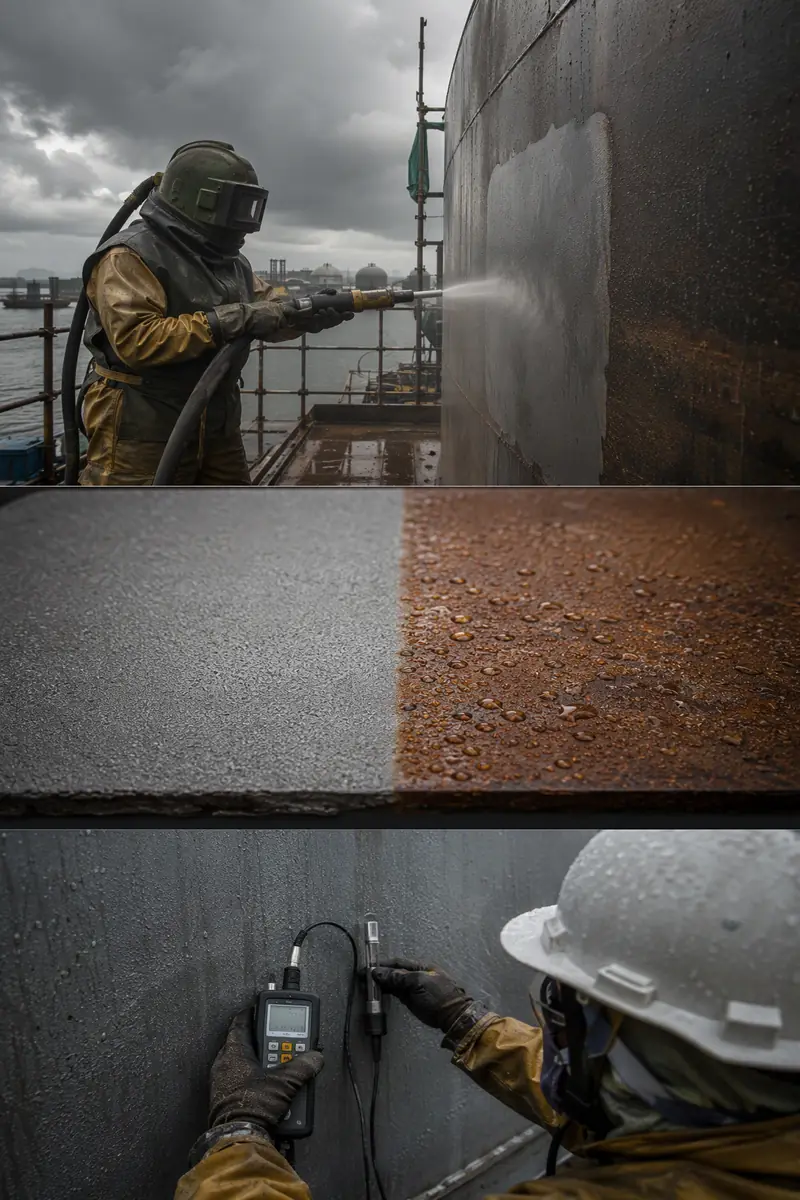
FIG. 01A visual breakdown of how monsoon humidity...
Featured editorial collage for an article on outdoor blasting abrasive selection. The main panel shows a crew blasting a tank under an overcast sky. Supporting panels show damp abrasive spillage, a close-up of flash rust versus clean steel, and a worker measuring dew point, illustrating key challeng
01 Introduction
When a field coating crew unloads blasting equipment under a monsoon sky, the abrasive that worked perfectly in the yard last month can suddenly cause flash rust before the first coat goes on. Outdoor blasting abrasive selection is not just about pr…
02 Introduction
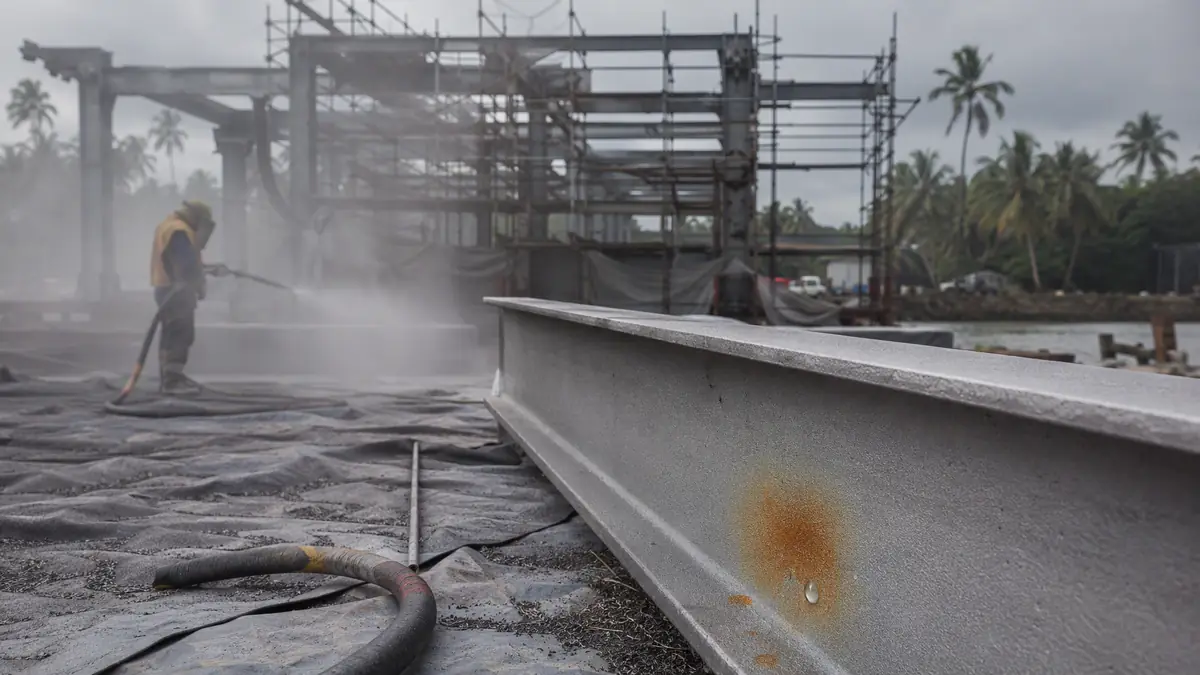
In tropical climates, flash rust can form on blast-cleaned steel within minutes, making immediate coating critical.
An outdoor industrial blasting site in a tropical region. A steel structure is surrounded by scaffolding. The foreground focuses on a steel plate where a clean blasted profile is juxtaposed with an area of orange flash rust forming around a water droplet, illustrating the rapid corrosion risk in hum
Surface preparation outdoors exposes the blast-cleaned steel to the atmosphere immediately after the abrasive strikes. In tropical and coastal climates — across much of India, Southeast Asia, and similar regions — high relative humidity can trigger flash rust within minutes. The abrasive itself, the way it fractures, the dust it produces, and the surface chemistry it leaves behind all interact with moisture. This article explains how climate conditions change abrasive selection for field blasting, what to watch for during monsoon and high-humidity seasons, and how to choose media that help rather than hinder coating adhesion when the weather works against you.
03 Why Climate Matters in Outdoor Blasting
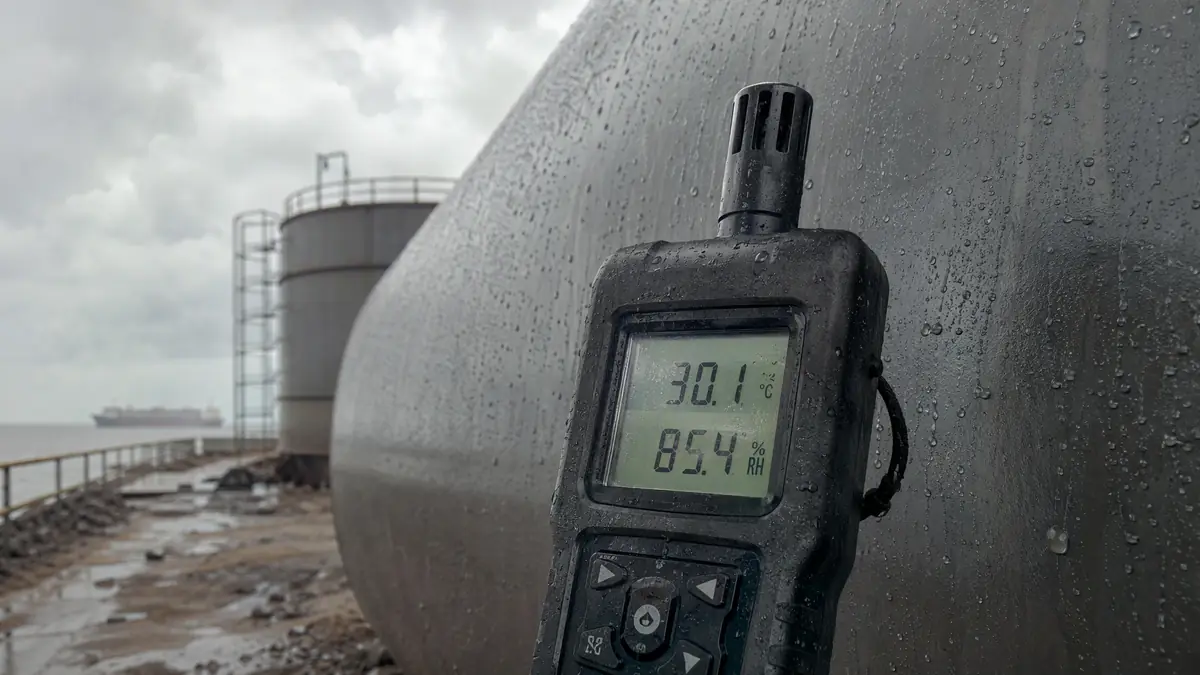
Monitoring dew point and relative humidity is non-negotiable when blasting outdoors to prevent condensation and flash rust.
A close-up of a digital weather meter resting on a wet, condensation-covered steel storage tank. The meter displays high humidity and temperature readings. Rain droplets are visible on the dark grey metal surface under an overcast sky, emphasizing the importance of climate checks before surface prep
Indoor blasting in a controlled shop allows operators to manage temperature, humidity, and the time between blasting and coating. Outdoors, none of those variables are fully controllable. Three climate factors directly affect abrasive performance and coating outcomes:
Relative humidity (RH) — When RH exceeds roughly 70–75%, moisture condenses on freshly blasted steel. The thin oxide layer that forms — flash rust — can appear in under 15 minutes in coastal or monsoon conditions.
Dew point — Blasting when the steel surface temperature is within 3 °C of the dew point invites condensation. Even if the air feels dry, a cold substrate can pull moisture from the atmosphere.
Rain and standing water — Wet abrasive clumps, clogs metering valves, and delivers uneven impact. Residual moisture in the blast stream accelerates corrosion before painting.
These factors do not just affect the steel. They affect the abrasive itself, changing how it flows, breaks down, and embeds in the surface.
04 How Humidity Changes Abrasive Behaviour
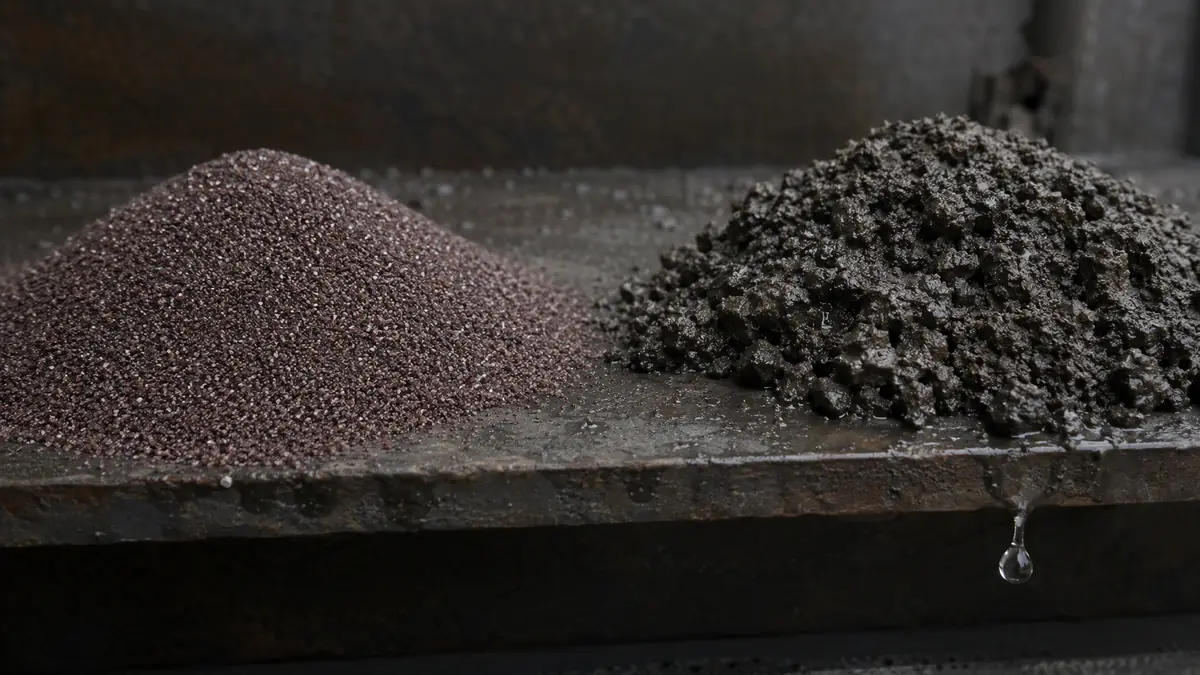
Moisture absorption causes slag abrasives to clump and flow poorly, while high-quality garnet remains free-flowing in humid conditions.
A macro comparison of two abrasive types. The left shows a pile of dry, sharp garnet grains. The right shows a pile of damp, clumped copper slag with a water droplet falling from it. The image illustrates how humidity negatively affects moisture-absorbent abrasives, leading to poor flow and inconsis
Mineral and Slag Abrasives
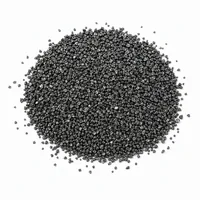
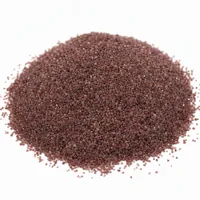
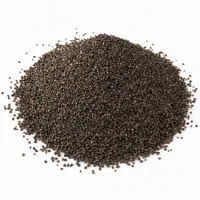
Garnet, copper slag, coal slag, and similar expendable abrasives are widely used outdoors because they are low-cost and single-use. However, their performance shifts noticeably with moisture:
Moisture absorption — Slag abrasives can retain moisture if stored poorly. Damp media flows erratically through metering valves, causing surging at the nozzle and inconsistent profile.
Fracture and dust generation — In high humidity, fine dust clings to the surface instead of dispersing. This dust layer can trap moisture against the steel, accelerating flash rust. Garnet tends to fracture less than slag, producing less fines — an advantage in humid conditions.
Surface contamination — Some slag abrasives leave a thin, powdery residue. In dry conditions this blows away; in humid air it sticks and can interfere with coating adhesion.
Metallic Abrasives (Steel Grit and Shot)
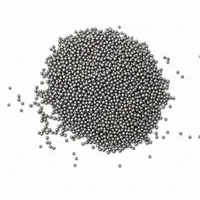
Steel grit and shot are typically used in recyclable, enclosed blasting systems, but they do appear in some outdoor field applications where recovery is feasible. Humidity presents a different problem here:
Corrosion of the media itself — Steel abrasives stored in open hoppers or damp containers will rust. Rusted grit delivers contaminated impact and can embed corrosion cells into the substrate.
Work hardening and breakdown — Steel grit work-hardens with each impact cycle. In humid conditions, the combination of hardened, angular particles and surface moisture can increase the risk of embedded iron particles that later form rust spots under the coating.
Non-Metallic, Non-Mineral Media
Walnut shell, glass bead, and plastic media are rarely the first choice for heavy field coating work, but they appear in specialised applications. Glass bead, for example, peens rather than cuts. In humid outdoor settings, the lack of anchor profile from bead blasting can make coating adhesion more sensitive to surface moisture — a risk that must be managed with careful dew-point monitoring.
05 Flash Rust: The Immediate Enemy
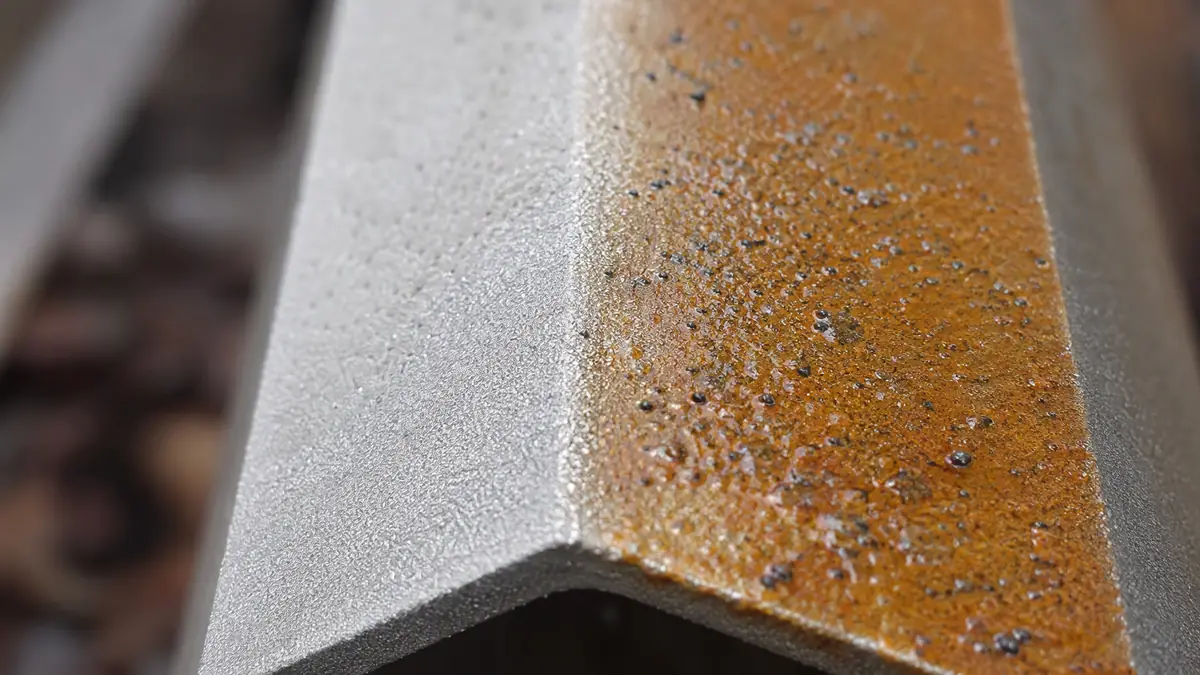
Embedded abrasive fines can act as corrosion sites, accelerating flash rust when humidity is high.
An extreme macro photograph of a blast-cleaned steel surface. One half shows a clean, sharp anchor profile. The other half shows a thin layer of orange-brown flash rust. Dark, embedded abrasive particles are visible within the rust, demonstrating how poor abrasive fracture characteristics can initia
Flash rust is the thin, orange-brown oxide layer that forms on blast-cleaned steel exposed to moisture. It is the most common climate-driven failure mode in outdoor blasting. Key points for abrasive selection:
Abrasive embedment — If an abrasive fractures into very fine particles that embed in the steel surface, those particles can act as corrosion initiation sites when humidity rises. Choosing an abrasive with clean fracture characteristics (like high-quality garnet) reduces this risk.
Surface pH shift — Some slag abrasives leave a slightly acidic residue. Combined with moisture, this accelerates flash rust. Confirm the pH and chloride content of the abrasive against the coating specification before use in humid conditions.
Profile depth and moisture trapping — A deeper anchor profile (above 75–100 microns) can trap moisture in the valleys. In high-humidity environments, a profile at the lower end of the specification — still adequate for coating adhesion — can reduce the surface area where moisture collects.
06 Abrasive Selection Framework for Humid Climates
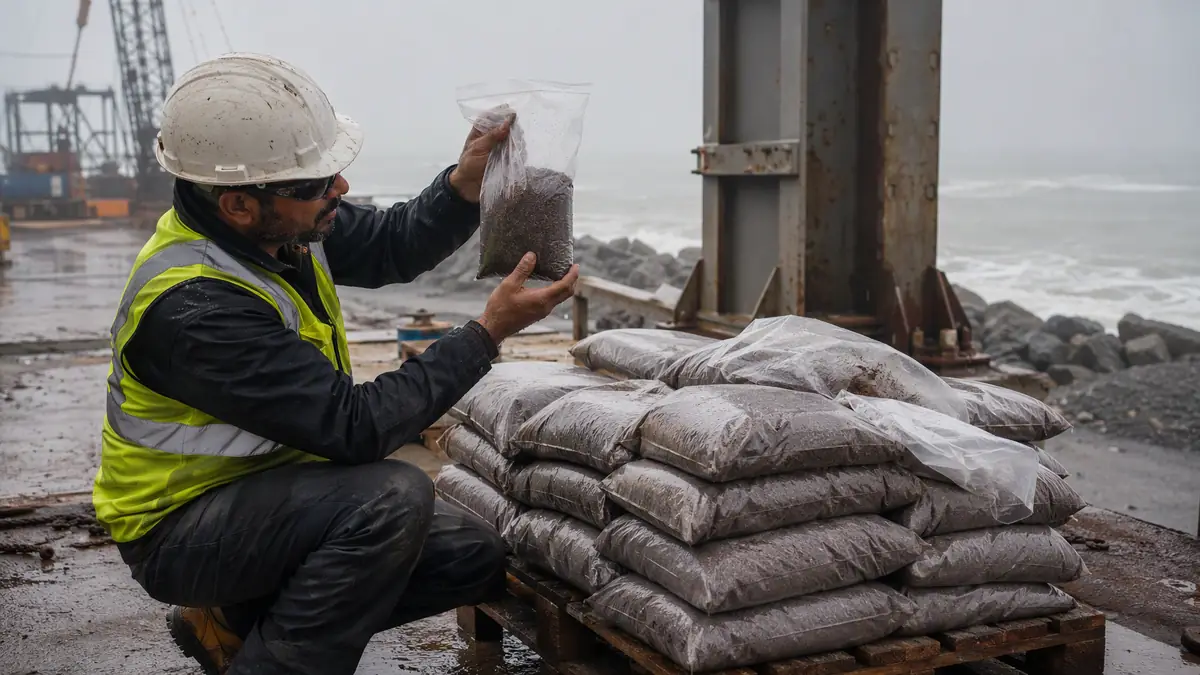
In coastal environments, selecting and inspecting low-chloride abrasives is crucial to prevent salt-induced corrosion.
A field coating technician kneels beside a pallet of abrasive bags marked with a low-chloride certification. He holds a sample bag of garnet up to the light for inspection. The background shows a hazy, coastal industrial environment with the ocean visible, highlighting the need for careful abrasive
When selecting an outdoor blasting abrasive for tropical or monsoon conditions, evaluate these factors in order:
1. Expendable vs. Recyclable
Expendable abrasives dominate outdoor field blasting because recovery is impractical on most job sites. In humid climates, the key question is whether the abrasive can be kept dry before use. If dry storage is uncertain, choose an abrasive with low moisture absorption — garnet typically outperforms slag in this regard.
2. Chloride and Salt Content
In coastal environments, salt spray combines with high humidity to create extremely aggressive corrosion conditions. Abrasives mined or manufactured near marine environments can contain residual chlorides. Specify abrasives with certified low chloride content for marine and coastal blasting. Confirm the test certificate against ISO 11126 or equivalent standards relevant to your region.
3. Dust Generation
High humidity suppresses dust dispersion, increasing the risk of dust deposits on the blasted surface. Low-dusting abrasives — or those that produce heavier, faster-settling particles — reduce this problem. Garnet and some specially processed slags generate less airborne fines than conventional copper slag.
4. Inhibitor Compatibility
Some field blasting operations add rust inhibitors to the blast water when using wet or vapour blasting methods. If inhibitors are part of the process, confirm that the abrasive does not react with the inhibitor chemistry. This is especially relevant for slag abrasives with variable chemical composition.
5. Surface Profile Requirements
The coating specification dictates the required anchor profile. In humid conditions, aim for the specified profile range without exceeding it. A profile deeper than necessary increases the true surface area and the volume of moisture that can be trapped. Match the abrasive mesh size to the target profile — finer grit for thinner coatings, coarser grit for high-build systems.
07 Practical Field Recommendations by Climate Type
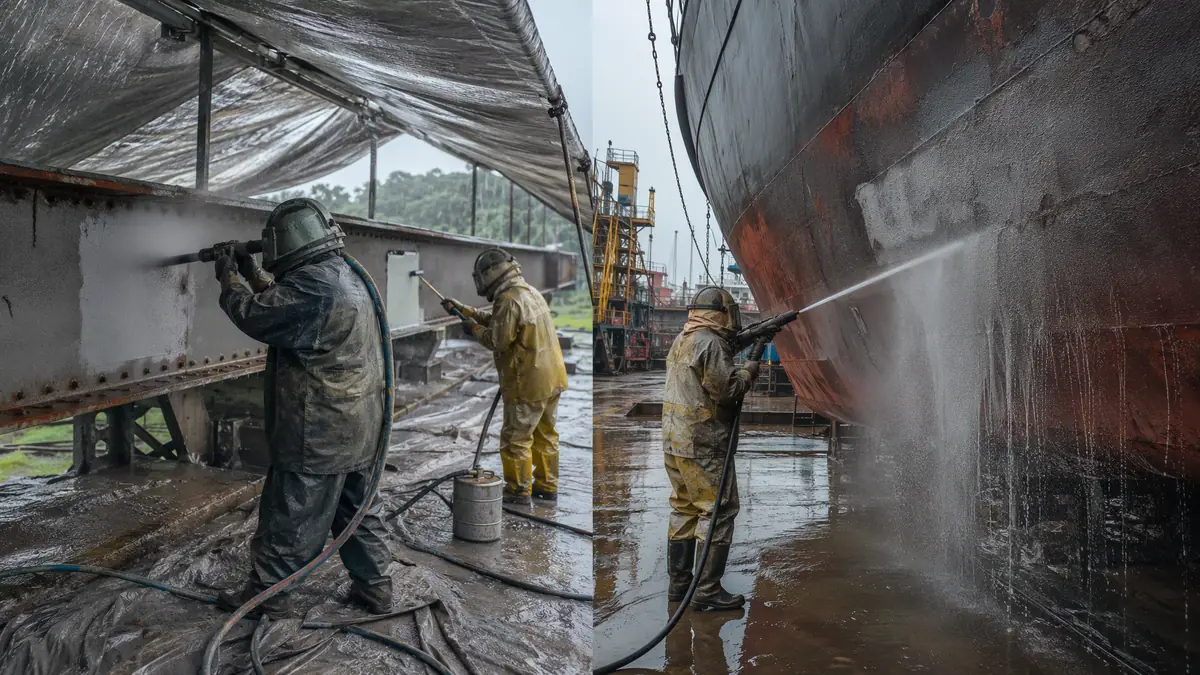
Adapting the process to the climate: blasting under cover with immediate priming for monsoons, versus fresh-water rinsing for coastal salt removal.
A visual comparison of two field strategies. One side shows a worker blasting a bridge girder under a temporary shelter during rain, with a coater waiting to prime. The other side shows a worker blasting a ship hull while another rinses the surface with fresh water. The scene illustrates practical a
Climate Condition
Primary Risk
Recommended Abrasive Type
Precautions
Hot and humid (inland, RH >75%)
Flash rust within 15–30 min
Clean garnet, low-dust slag
Blast only what can be coated within the recoat window; monitor dew point continuously
Coastal (salt-laden air, high RH)
Chloride-induced corrosion, rapid flash rust
Low-chloride garnet, certified to specification
Fresh-water rinse after blasting if specification permits; coat immediately
Monsoon / wet season
Wet abrasive, clogging, uneven profile
Moisture-resistant garnet stored under cover
Protect blast pot and hopper from rain; use moisture separators on air supply
Dry and arid
Dust dispersion, operator visibility
Copper slag, coal slag (cost-effective)
Standard precautions; climate risk is lower but wind-blown contamination must be managed
This table offers typical guidance. Always confirm the abrasive specification against the coating manufacturer's written requirements and the project's surface preparation standard.
08 Common Mistakes in Humid-Climate Blasting
Blasting too far ahead of the coating crew — In dry weather, blasting a large area before coating starts is common practice. In humid conditions, this guarantees flash rust. Blast only what can be coated within the same shift, and within the maximum allowed interval specified by the coating data sheet.
Ignoring the air supply — Compressed air carries moisture. Without adequate aftercoolers, moisture separators, and drains, the blast stream itself introduces water to the surface. This is a problem in any climate but becomes critical when ambient humidity is already high. Check air quality at the nozzle regularly.
Storing abrasive unprotected — Bags of slag or garnet left uncovered on site absorb rain and humidity. Wet abrasive is the direct cause of surging, clogging, and uneven blasting. Store abrasives on pallets under tarpaulin or in a covered container.
Skipping surface testing after blasting — In humid conditions, check for flash rust, dust contamination, and soluble salts after blasting — not just profile and cleanliness. The coating may fail adhesion tests later even if the surface looked clean immediately after blasting.
Assuming all garnet is the same — Garnet varies by source: almandine garnet from different deposits differs in hardness, fracture toughness, and chloride content. A low-cost garnet may produce excessive fines or contain salts that accelerate corrosion. Verify the technical data sheet before purchasing.
09 When Climate Demands a Process Change, Not Just an Abrasive Change
Sometimes the correct answer is not a different abrasive but a different blasting method:
Wet blasting or vapour blasting — Introducing water at the nozzle suppresses dust and can incorporate rust inhibitors. This is effective where dust control regulations and humidity both create problems. However, the water source quality matters: hard water or water with dissolved salts can introduce new contamination.
Spot blasting and immediate priming — For maintenance coating in humid conditions, blast and prime in small, sequential sections. A holding primer or dehumidification shelter may be specified for critical work.
Dehumidification and heating — On high-value assets, contractors erect temporary enclosures with dehumidifiers. This shifts the operation from "outdoor" to "controlled field conditions" and expands the range of usable abrasives and coatings.
10 Conclusion
Outdoor blasting abrasive selection in humid and tropical climates is driven by one overriding concern: preventing flash rust between blasting and coating. The right abrasive minimises dust, avoids introducing chlorides or acidic residues, and produces a profile that supports coating adhesion without trapping moisture. Garnet tends to outperform slag in these conditions due to lower dust generation, lower moisture absorption, and cleaner fracture characteristics — but the specific grade and source matter. No abrasive alone solves the climate problem. Dry storage, moisture-free compressed air, disciplined blast-and-coat sequencing, and continuous dew-point monitoring are equally important. When the monsoon arrives, the crews that adapt their abrasive choice and their process together are the ones that avoid costly rework.
11 Frequently Asked Questions
Why does my abrasive cause flash rust faster during the monsoon season?
High humidity and damp abrasive are the main culprits. Slag abrasives can absorb moisture, leading to erratic flow and a fine dust that traps water against the steel. Additionally, some slags leave an acidic residue that accelerates corrosion when combined with moisture. Switching to a low-dust, moisture-resistant abrasive like high-quality garnet can significantly reduce this risk.
What is the best abrasive for outdoor blasting in a humid, coastal environment?
A low-chloride, high-quality garnet is typically the best choice. Coastal air carries salt that accelerates corrosion, so the abrasive itself must not introduce additional chlorides. Garnet also fractures less than slag, producing fewer fines that can trap moisture and initiate flash rust. Always ask for a test certificate confirming low chloride content against a standard like ISO 11126.
Can I use steel grit for field blasting in humid conditions?
It is generally not recommended unless you have a fully enclosed and recovery system. Steel grit stored in damp conditions will rust, and blasting with rusted grit can embed corrosion cells into the substrate. The combination of hardened, angular particles and surface moisture also increases the risk of embedded iron that forms rust spots under the coating.
How can I prevent flash rust between blasting and coating?
The most effective method is to blast only what can be coated within the same shift and within the coating's specified recoat window. Monitor the dew point and ensure the steel surface temperature is at least 3°C above it. Using a clean-fracturing abrasive that leaves minimal dust and no acidic residue also helps delay the onset of flash rust.
My blast media is clumping and clogging the pot. What should I check?
The abrasive has likely absorbed moisture from rain or high humidity. Check your storage: bags should be kept off the ground on pallets and fully covered with a tarpaulin. Also, inspect your compressed air supply. Without functioning moisture separators and drains, the air stream itself can introduce water, causing the abrasive to clump inside the metering valve.
Is a deeper anchor profile better for coating adhesion outdoors?
Not necessarily, and in humid climates it can be a disadvantage. A profile deeper than the specification requires creates larger valleys that can trap moisture and increase the risk of flash rust. It is best to aim for the lower end of the specified profile range, which still provides sufficient adhesion while minimizing the surface area where water can collect.
What should I test for on the surface after blasting in high humidity?
Beyond the standard checks for profile and visual cleanliness, you must test for flash rust, residual dust contamination, and soluble salts. A surface that looks clean immediately after blasting can develop a thin oxide layer or attract salt within minutes. These contaminants will cause premature coating failure if not identified and removed before painting.
12 Solution
If your field coating crew is preparing for monsoon-season blasting or working in a coastal, high-humidity environment, use the selection framework above to shortlist suitable abrasives. Review the technical data sheets for garnet and slag options, paying close attention to chloride content, dust generation, and mesh size against your coating specification. For help confirming abrasive compatibility with your project requirements — or to request a quotation for bulk abrasive supply — explore the Abrasives product category or contact SPA2Z directly with your surface preparation standard and site conditions.
13 Get a quote
Get a quote
Tell us what you need. We reply within one business day.
Recommended products
Catalogue products matched to this article. Ask for grade, quantity and destination.