Certificate of Analysis: What to Require from Abrasive Suppliers
Abrasive media directly controls surface profile, cleanliness, and rework rates—yet many procurement teams accept supplier claims without documented proof. A pr...
Published
21 Aug 2019
Category
Abrasives
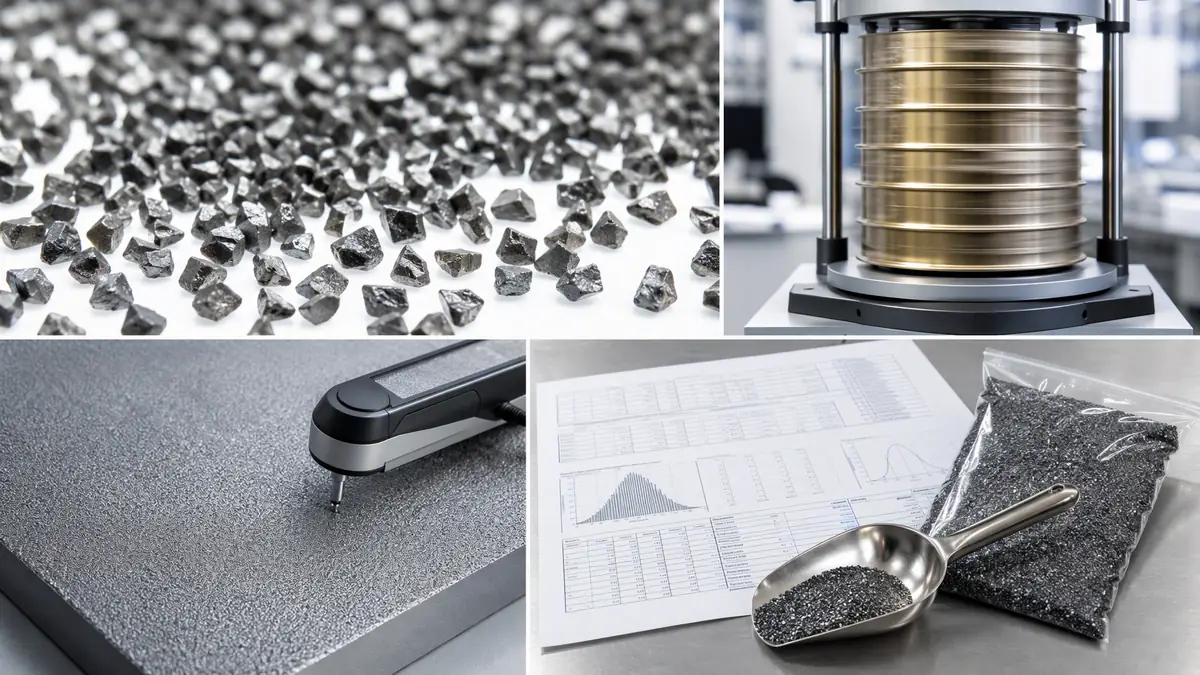
FIG. 01A visual breakdown of abrasive quality ass...
A professional multi-panel editorial image connecting the physical properties of steel grit abrasive with the documentation and testing required for a valid certificate of analysis. The collage shows raw media, a sieve shaker for particle size distribution, a sample COA document for traceability, an
01 Introduction
Abrasive media directly controls surface profile, cleanliness, and rework rates—yet many procurement teams accept supplier claims without documented proof. A properly structured abrasive certificate of analysis closes the gap between a sales specifi…
02 Introduction
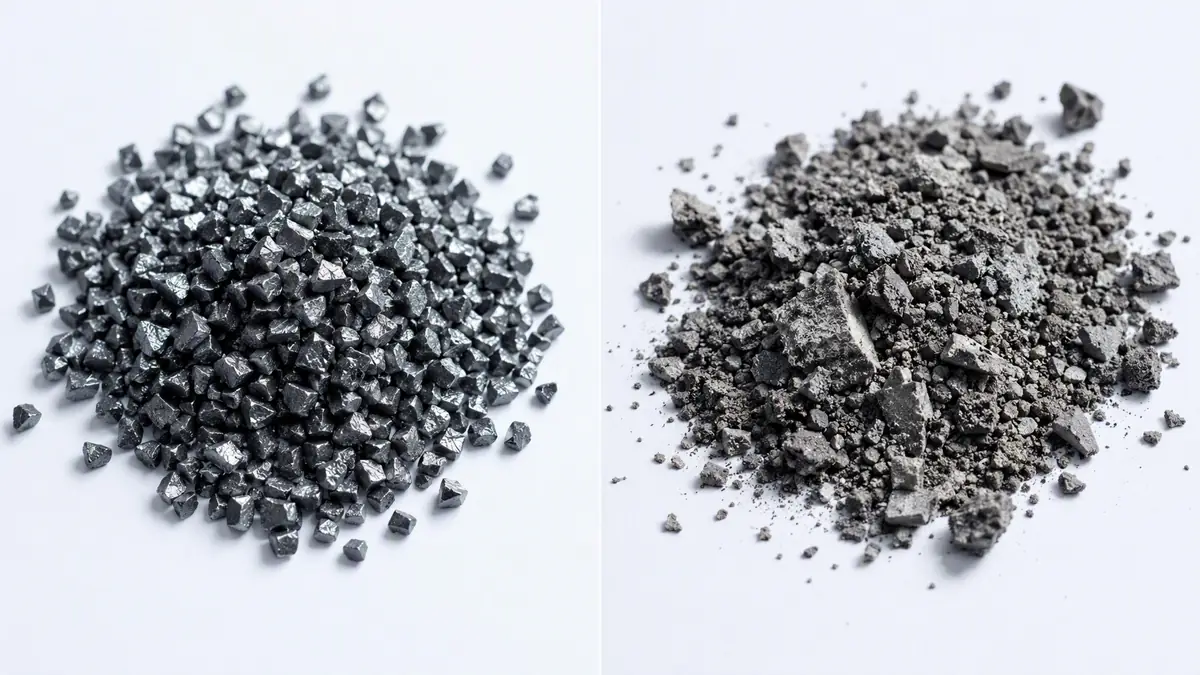
The first step in troubleshooting surface preparation issues: visually comparing a high-quality abrasive sample with a suspect, inconsistent media.
A photorealistic close-up showing two distinct samples of abrasive media on a white laboratory table. The left sample is uniform, clean steel grit, while the right sample is dusty, irregular, and fractured, visually representing the quality gap that a Certificate of Analysis is designed to close for
When a blasting operation produces inconsistent surface profiles, excessive dust, or uneven cleanliness, the abrasive itself is often the first variable to investigate. Without a certificate of analysis (COA) from the supplier, that investigation stalls. The COA is the single document that confirms whether the media delivered matches the media ordered—and whether it will perform as expected on the production floor.
For procurement specialists managing abrasive supply, the COA is not a formality. It is a quality gate. This article explains what a meaningful abrasive COA should contain, which parameters matter most for different media types, and how to build a practical supplier requirement that protects downstream operations from material variability.
03 What Is an Abrasive Certificate of Analysis?
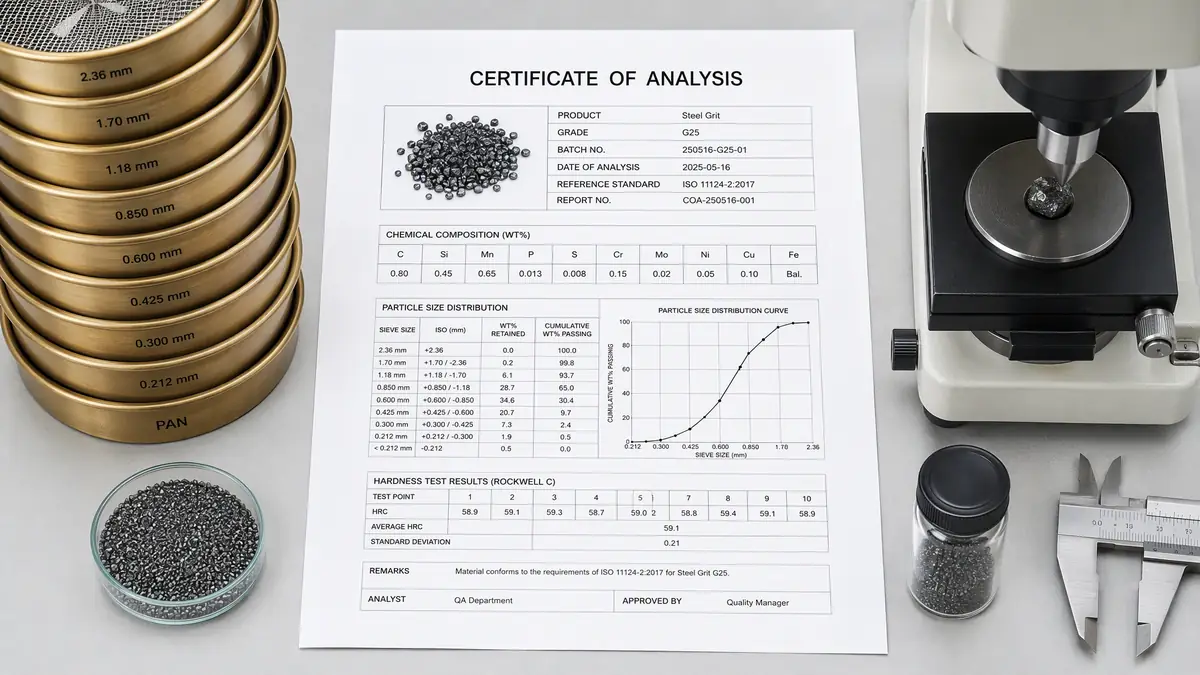
A valid COA is generated from physical lab testing: sieve analysis for size, hardness testing, and chemical composition analysis.
A flat-lay photograph showing a printed Certificate of Analysis document as the central element, surrounded by the laboratory equipment used to produce its data: a stack of brass sieves, a Rockwell hardness indenter on a metallic sample, and a vial of abrasive media, representing the core measuremen
An abrasive certificate of analysis is a supplier-issued document that reports the measured physical and chemical properties of a specific production lot or shipment. It is generated from laboratory testing performed on a representative sample drawn from that lot.
A legitimate COA includes three core measurement categories:
Size distribution – the percentage of media retained on each sieve in a stack, confirming the particle size range
Hardness – measured on the Rockwell C, Vickers, or Knoop scale depending on media type
Chemistry – elemental composition, particularly for metallic abrasives where carbon, manganese, silicon, and sulphur levels affect durability and fracture behaviour
Additional parameters such as microstructure, density, moisture content, or chloride levels may appear depending on the abrasive type and the application's sensitivity. The COA should reference the test methods used—commonly ASTM, ISO, or SSPC-AB standards—so the buyer can verify that the testing protocol matches industry norms.
04 Why the COA Matters in Abrasive Procurement
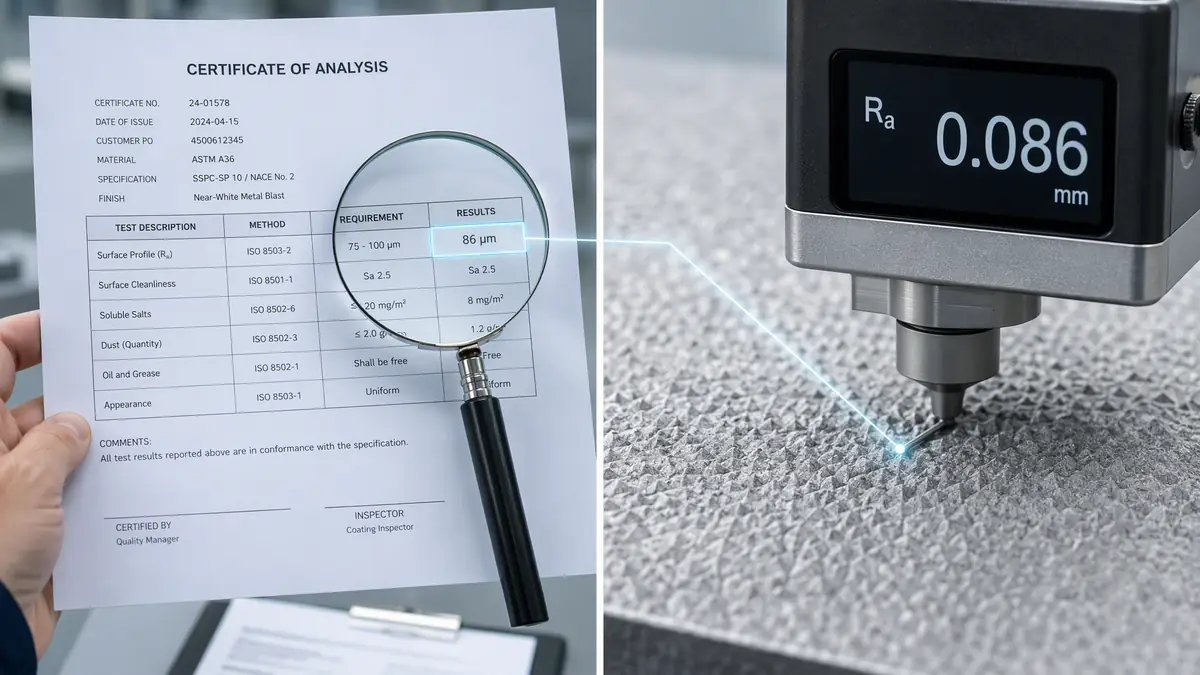
A COA converts supplier claims into accountable data, allowing procurement to directly correlate documented media specs with on-site surface profile results.
A photorealistic split-composition image. The left side shows a hand holding a Certificate of Analysis under a magnifying glass, focusing on a data line. The right side shows a macro view of a blasted steel surface profile being measured by a digital profilometer, visually linking the documented abr
Abrasive media is a consumable that directly influences three measurable outcomes: surface profile depth, cleaning rate, and media consumption rate. When the abrasive drifts out of specification, at least one of those outcomes degrades.
A COA matters because it converts supplier claims into accountable data. Without it, procurement accepts material based on a product name or a nominal grade—neither of which guarantees performance. With a COA, the buyer can:
Confirm that the delivered lot matches the agreed specification before it enters the blast stream
Compare lots over time to detect supplier drift or process changes
Correlate production problems—such as low profile or high dust—with a specific material parameter
Meet customer or contract requirements that mandate incoming material verification
For operations working to surface preparation standards such as ISO 8501, SSPC-SP 10, or NACE No. 2, the abrasive is part of the qualified process. A missing or incomplete COA creates a documentation gap that can surface during an audit or a coating failure investigation.
05 When a COA Is Essential—and When It May Be Less Critical
For critical coating applications like pressure vessels and marine newbuilds, a detailed, lot-specific COA is an essential risk-management tool.
A wide-angle industrial photograph showing a robotic blasting arm preparing the surface of a large pressure vessel in a fabrication yard. The foreground features a slightly out-of-focus clipboard holding a Certificate of Analysis and a safety helmet, emphasizing that in such high-stakes environments
Not every abrasive purchase demands the same level of documentation. The decision to require a full COA should match the risk profile of the application.
Require a detailed COA when:
The abrasive is used for critical coating applications (structural steel, pressure vessels, marine newbuild, pipeline FBE coating)
The surface profile tolerance is tight and verified by replica tape or profilometer
The contract or coating specification mandates traceable abrasive quality records
The abrasive is metallic (steel grit or shot) where chemistry and hardness directly control breakdown rate and dust generation
The supplier or source is new and unproven
A COA may be less critical when:
The abrasive is used for non-critical cleaning where profile is not specified
The media is a single-use mineral slag consumed in open blasting with wide process tolerance
The supplier has a long history of consistent delivery backed by periodic third-party verification
Even in lower-risk scenarios, requesting at least a simplified lot test report establishes the expectation that quality is monitored. It also protects against gradual drift that goes unnoticed until a problem appears.
06 What a Useful Abrasive COA Must Include
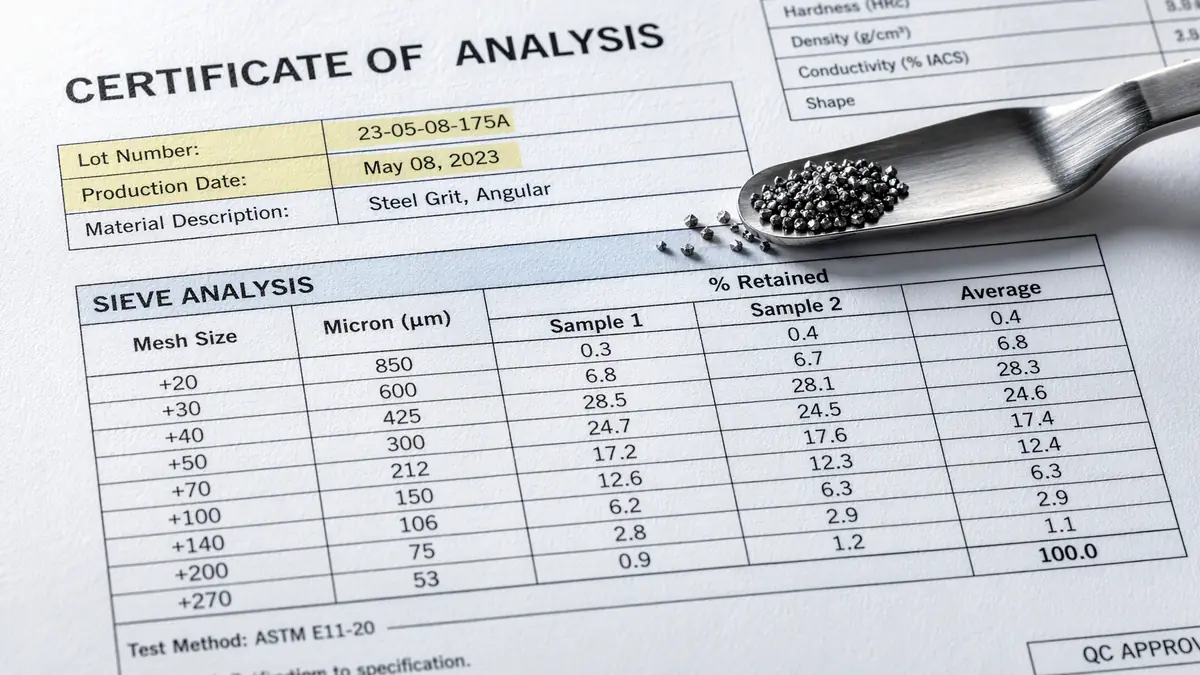
A useful COA must include lot-specific traceability data and a complete sieve analysis, not just a generic product name and 'pass'.
An extreme close-up, macro photograph of a Certificate of Analysis document. The focus is on the critical data fields: a clearly printed lot number, production date, and a detailed sieve analysis table showing percentage retained per mesh size. A lab spatula with steel grit particles rests on the do
A COA that lists only a product name and a generic "pass" is not a certificate of analysis—it is a cover note. Procurement should specify the minimum data fields required before accepting a shipment.
1. Lot Identification and Traceability
The COA must clearly identify the lot or batch number, production date, and quantity represented. This links the test data to the specific material received. Without traceability, the COA is disconnected from the physical product sitting in the warehouse.
2. Sieve Analysis (Size Distribution)
Particle size distribution is the most operationally significant parameter for most blasting applications. It determines the surface profile range, cleaning speed, and the proportion of fines that generate dust without contributing useful impact energy.
A proper sieve analysis reports the cumulative or individual percentage retained on each sieve in a stack. For steel grit, a typical specification might target a defined range such as G40 or G25 under SAE J444, with tolerances on the oversize and undersize fractions. The COA should state the sieve sizes used and the percentage passing or retained at each point.
3. Hardness
Hardness governs how the particle fractures on impact. Media that is too soft deforms without cutting, reducing cleaning rate. Media that is too hard shatters prematurely, creating fines and dust while increasing consumption.
For steel grit and shot, hardness is typically reported in Rockwell C (HRC) or Vickers (HV). A common specification for steel grit is 42–52 HRC or 60–65 HRC depending on the application. The COA should report the average and range from multiple readings, not a single measurement.
4. Chemical Composition
Chemistry matters most for metallic abrasives. Carbon content influences hardness and microstructure. Manganese and silicon affect toughness. Sulphur and phosphorus are generally controlled as impurities that can embrittle the material.
A COA for steel grit should report at minimum: carbon, manganese, silicon, sulphur, and phosphorus. For stainless steel cut wire shot used on stainless substrates, chromium and nickel levels become important to avoid contamination that could cause pitting or discolouration.
5. Microstructure (for Metallic Abrasives)
The microstructure—tempered martensite for most steel grit—confirms that the heat treatment produced the intended phase. A COA may include a microstructure description or a reference to a micrograph. This is particularly relevant when consistent breakdown behaviour is critical.
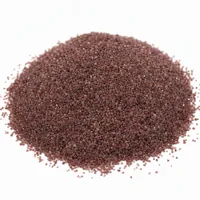
Chloride level, free silica content, specific gravity
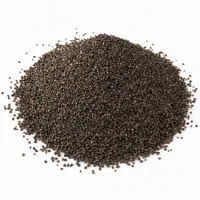
Aluminium oxide
Purity (Al₂O₃ %), titania content for toughness indication
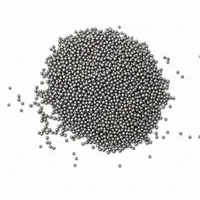
Copper slag / coal slag
Free silica, moisture content, chloride level
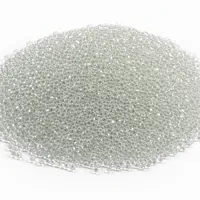
Glass bead
Roundness, lead/arsenic content for occupational health
07 How to Evaluate a Supplier COA: A Practical Checklist
A practical review process: checking the COA against a standard checklist for lot-specificity, test date, and specification compliance.
A first-person perspective photograph showing a procurement specialist's hands using a red pen to review a printed Certificate of Analysis. The COA is placed next to a laminated checklist card with items like 'Lot-Specific?' and 'Test Date < 12 Months?'. A blurred computer screen with a spreadsheet
When a COA arrives, procurement should review it against a standard checklist rather than filing it unread. The following steps apply regardless of abrasive type.
Step 1: Confirm the document is lot-specific. A generic "typical analysis" that applies to all production is not a COA. The document must reference a specific lot number that matches the delivery.
Step 2: Check the test date. Abrasive properties can shift over time if stored improperly, but the COA represents the material condition at the time of testing. A COA dated more than 12 months before shipment warrants a conversation with the supplier.
Step 3: Compare each parameter against the agreed specification. Do not accept a COA that simply lists results without stating the specification limits. The buyer and supplier should have agreed on acceptable ranges before the order was placed.
Step 4: Verify the test methods. A hardness number without the scale (HRC, HV, HK) is meaningless. A sieve analysis without the standard (ASTM E11, ISO 565) cannot be reproduced. The COA should cite the method for each test.
Step 5: Look for missing parameters. If the specification called for chemistry and the COA reports only size and hardness, the document is incomplete. Do not accept partial data without written justification.
Step 6: Retain the COA with the lot records. For traceability, the COA should be retrievable by lot number for the duration of the project or the warranty period of the coated asset.
08 Common Problems Found on Abrasive COAs
Even when a COA is provided, procurement should watch for several recurring issues that reduce its value.
"Typical" data instead of lot-specific results. This is the most common problem. A supplier may provide a brochure-style data sheet and call it a COA. It is not. Lot-specific testing is the defining feature of a valid certificate.
Missing or incomplete sieve data. A COA that reports only "G40" or "30/60 mesh" without the underlying sieve percentages provides no information about the distribution shape. Two lots can both meet a nominal grade while producing different surface profiles because one has a tighter distribution than the other.
Hardness reported without range or standard deviation. A single average hardness value can hide a wide spread. If the average is 48 HRC but individual particles range from 38 to 58 HRC, the abrasive will behave inconsistently. Request the range or standard deviation.
Chemical composition that does not match the media type. Steel grit with unusually low carbon may be a different alloy than specified, affecting hardness response. Garnet with elevated chloride may be unsuitable for stainless steel or marine applications.
09 What to Do When the COA Raises Concerns
When a COA shows parameters outside the agreed specification, the response should be structured and documented.
First, quarantine the lot. Do not release out-of-spec abrasive to production without a deliberate decision.
Second, verify the finding. If the COA shows a parameter near the specification limit, ask the supplier whether the result is within the test method's reproducibility. A single borderline result may not indicate a real problem, but it should be noted for trend tracking.
Third, request a re-test or independent verification if the deviation is significant. Reputable suppliers will re-sample and re-test when a legitimate question arises.
Example: A procurement team receives a COA for steel grit G25 showing 8% passing the 40-mesh sieve, against a specification maximum of 5%. The excess fines will increase dust generation and reduce cleaning efficiency. The correct action is to quarantine the lot, notify the supplier with the COA data highlighted, and request either a replacement lot or a documented concession if the material can still be used with adjusted process parameters. The decision should involve the blasting supervisor, not procurement alone.
Fourth, document the disposition. If the material is accepted under a concession, record who approved it, on what basis, and for which project or product line. This protects against future coating failures being traced back to a known material deviation.
10 Building COA Requirements into Supplier Agreements
The most effective time to define COA requirements is before the purchase order is issued. Procurement should include the following in abrasive supply agreements or RFQs:
The specific parameters required on the COA, by media type
The test methods and standards to be used
The acceptable tolerance ranges for each parameter
The requirement that the COA be lot-specific and shipped with or before the material
The consequence of non-conformance (rejection, replacement, or documented concession)
Suppliers who consistently provide complete, accurate COAs demonstrate a level of process control that reduces procurement risk. Suppliers who resist providing lot-specific data or who repeatedly deliver incomplete certificates may lack the quality systems to ensure consistent product—regardless of what their marketing materials claim.
11 Conclusion
An abrasive certificate of analysis is not a bureaucratic checkbox. It is the primary tool procurement has to verify that the media entering the blast stream will produce the specified surface profile, at the expected consumption rate, without introducing contamination or excessive dust. By defining clear COA requirements—lot-specific data, complete sieve analysis, hardness with range, and chemistry matched to the media type—procurement specialists protect both the blasting operation's efficiency and the integrity of the coated asset. A supplier's willingness and ability to provide a meaningful COA is itself a selection criterion, revealing more about their quality systems than any sales specification ever could.
12 Frequently Asked Questions
What exactly is an abrasive certificate of analysis, and how is it different from a standard product data sheet?
An abrasive certificate of analysis (COA) is a supplier-issued document reporting the measured physical and chemical properties of a specific production lot or shipment, based on laboratory testing of a representative sample. A standard product data sheet typically lists 'typical' or nominal values for a product grade and is not tied to a specific lot. The key difference is traceability: a valid COA links test results directly to the material you received via a lot number, making it an accountable quality record rather than a generic brochure.
Which parameters on a COA are most critical for steel grit used in blasting?
For steel grit, the most operationally significant parameters are size distribution (sieve analysis), hardness, and chemical composition. The sieve analysis confirms the particle size range, which directly controls the surface profile and cleaning speed. Hardness, typically reported in Rockwell C (HRC), governs how the particle fractures on impact. Chemistry—specifically carbon, manganese, silicon, sulphur, and phosphorus—affects the material's durability and microstructure.
When should we absolutely require a lot-specific COA from our abrasive supplier?
A lot-specific COA is essential when the abrasive is used for critical coating applications with tight surface profile tolerances, such as structural steel, pressure vessels, or pipeline coating. It is also necessary when a contract or coating specification mandates traceable abrasive quality records, or when you are qualifying a new or unproven supplier. For non-critical cleaning with wide process tolerances, a simplified report may be acceptable, but a COA still protects against gradual quality drift.
What are the most common problems to look for when reviewing an abrasive COA?
The most frequent issue is receiving 'typical' or generic data instead of lot-specific test results, which defeats the purpose of a COA. Other common problems include missing or incomplete sieve data that only states a nominal grade without percentages, hardness values reported without specifying the test scale, and the absence of required chemical composition parameters. A COA dated more than 12 months before shipment should also prompt a discussion with the supplier.
How do we verify that the sieve analysis on a COA is reliable?
A reliable sieve analysis reports the cumulative or individual percentage retained on each sieve in a stack, not just a single mesh designation like 'G40.' The COA must cite the test standard used, such as ASTM E11 or ISO 565, so the testing protocol can be verified. You should also confirm that the reported distribution falls within the agreed specification limits for oversize and undersize fractions, as this directly impacts your surface profile consistency.
Does a COA for garnet or mineral slag require different information than one for steel abrasive?
Yes, the additional parameters vary by media type. For garnet, you should also request chloride levels, free silica content, and specific gravity. For copper or coal slag, critical additional parameters include free silica, moisture content, and chloride levels. These parameters address health, contamination, and performance risks specific to mineral abrasives that are not typically relevant for metallic media like steel grit.
What should we do if a supplier delivers abrasive with an incomplete or missing COA?
Do not accept the material into your production stream without documented resolution. If the COA is incomplete—for example, missing chemistry data when it was specified—request the missing data in writing before use. If no lot-specific COA exists, you can arrange for third-party testing of a retained sample, but this should be a rare exception. The supplier should be formally notified that future deliveries will be rejected without a complete, lot-specific COA matching the agreed specification.
13 Solution
Review your next abrasive supplier COA against the checklist in this article. If the document lacks lot traceability, complete sieve data, or hardness range, request the missing information before accepting the shipment. For procurement teams evaluating new abrasive sources, comparing certified media options with documented specifications is a practical starting point. Explore the range of abrasives available on SPA2Z and enquire with your requirements to verify current availability and lot-specific certification options.
14 Get a quote
Get a quote
Tell us what you need. We reply within one business day.
Recommended products
Catalogue products matched to this article. Ask for grade, quantity and destination.