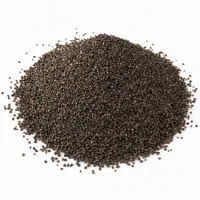
Dust Generation Ranking of Common Industrial Abrasives
Dust on the blast floor isn't just a housekeeping issue — it's a direct signal of media breakdown, silica risk, and loading on your dust collection system. For...
Published
29 Jan 2023
Category
Abrasives
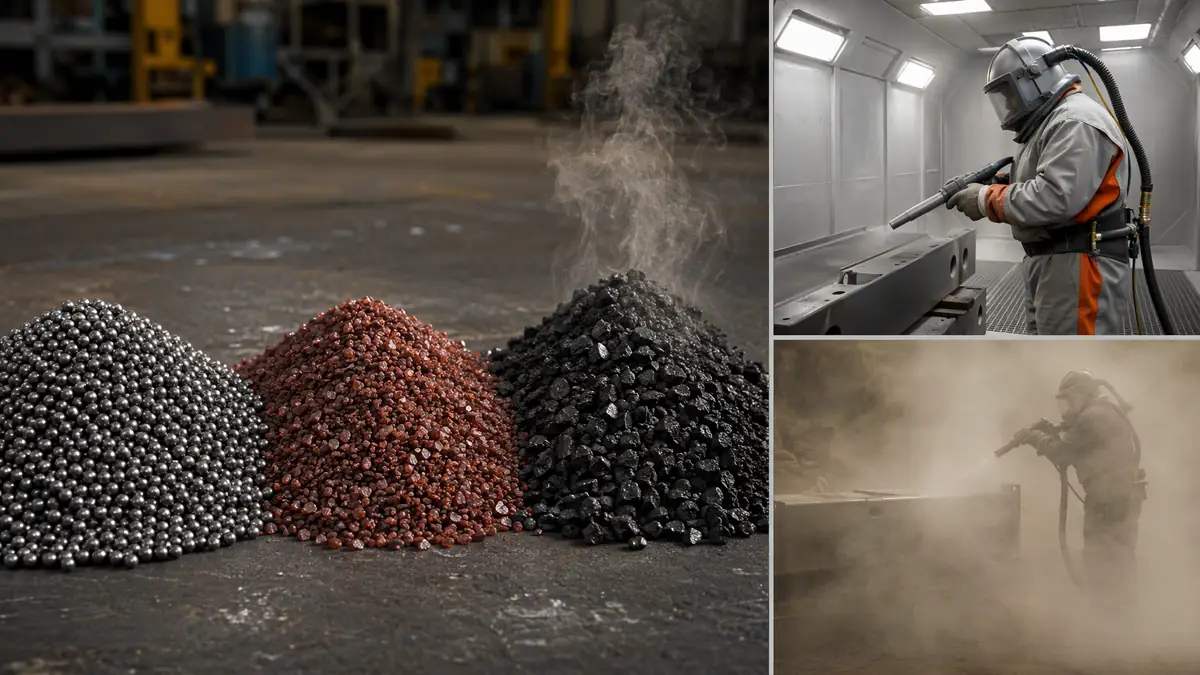
FIG. 01A visual comparison of abrasive media dust...
Featured image for an article on dust generation ranking of industrial abrasives. A multi-panel collage shows a close-up comparison of steel shot, garnet, and coal slag media, a clean enclosed blasting operation, and a dusty open-air blasting scene, illustrating the EHS impact of abrasive choice.
01 Introduction
Dust on the blast floor isn't just a housekeeping issue — it's a direct signal of media breakdown, silica risk, and loading on your dust collection system. For EHS and plant managers, understanding which abrasives produce the least respirable dust i…
02 Introduction
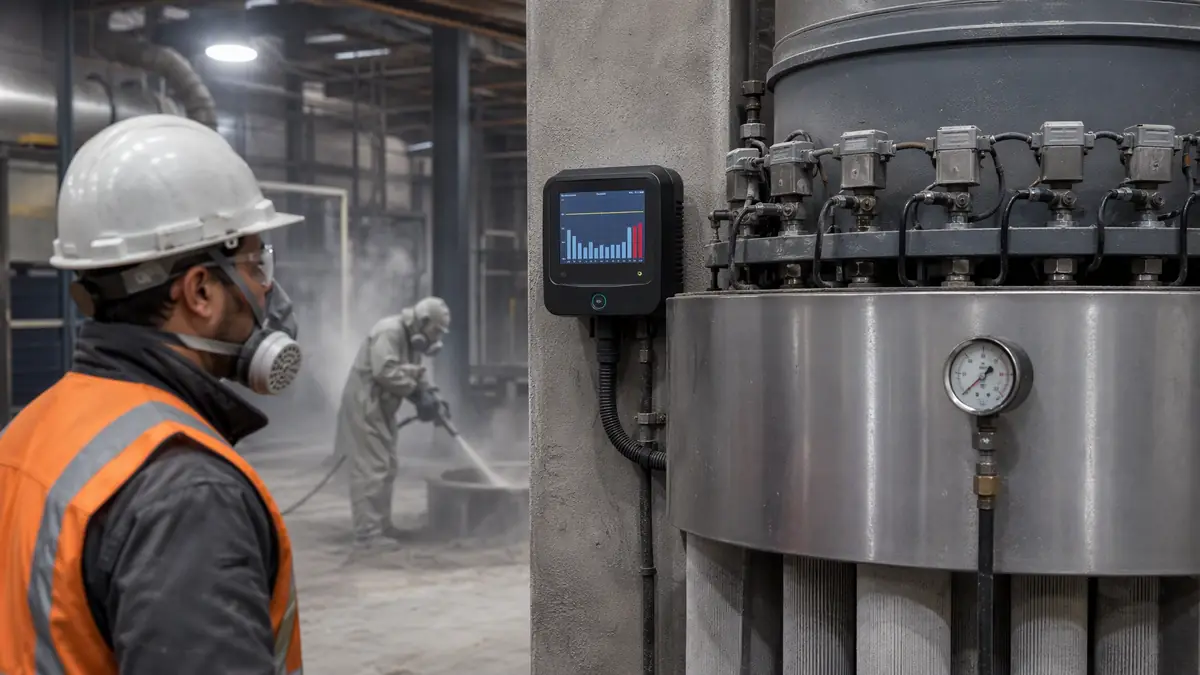
Creeping air quality limits and frequent dust collector cycling signal it's time to evaluate blast media dust generation.
An industrial scene showing an air quality monitor and dust collector, representing the EHS concerns that prompt a review of abrasive dust generation in a manufacturing plant.
If your plant's air monitoring data keeps creeping toward the permissible exposure limit, or your dust collectors are cycling more often than they should, the abrasive you're using deserves a hard look. Not all blast media behave the same way under pressure. Some fracture on impact and release clouds of fine particulates; others hold their shape and generate minimal airborne dust.
This article ranks common industrial abrasives by their dust generation behavior, explains why the differences matter for respiratory safety, and gives you a practical framework for selecting a least dusty blast abrasive without sacrificing cleaning speed or surface profile. The focus is on the dust lens — how the media behaves in the air — rather than a full performance comparison, so you can make an informed EHS decision first and then verify productivity with your process team.
03 Why Dust Generation Matters in Abrasive Blasting
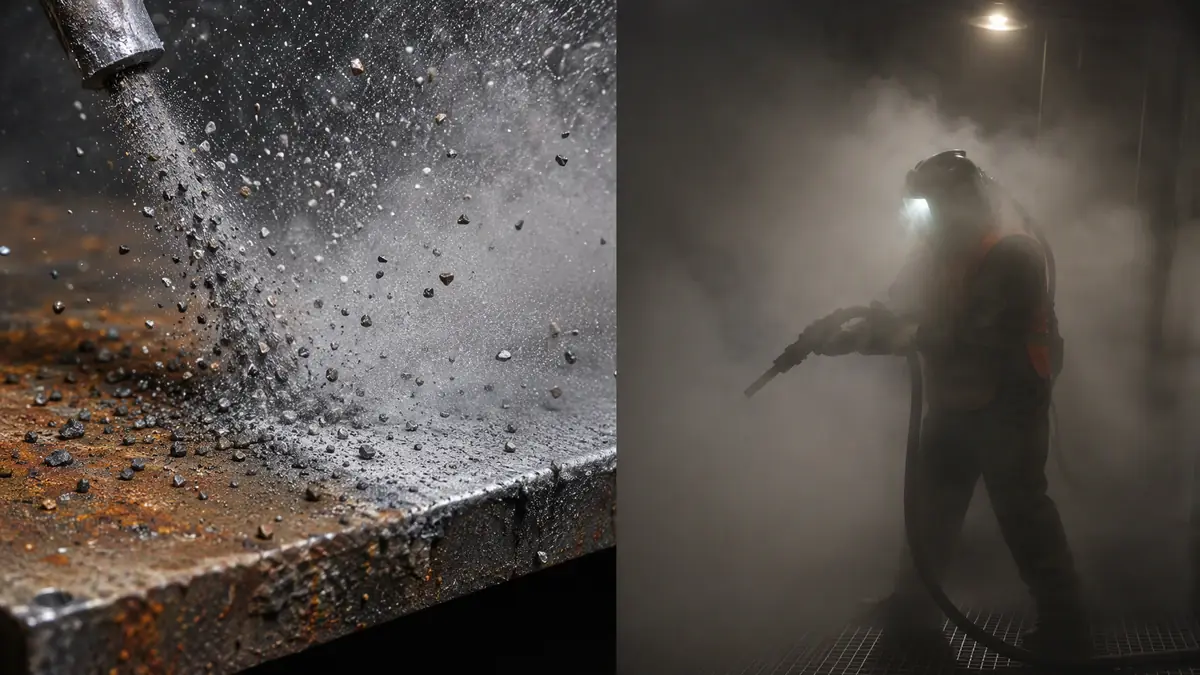
Particle fracture on impact creates respirable dust that poses serious respiratory risks and reduces operator visibility to dangerous levels.
A split industrial scene depicting the moment abrasive media shatters into fine dust upon impact, contrasted with a view of an operator obscured by a dense dust cloud, highlighting safety hazards.
When abrasive particles strike a substrate at high velocity, they either rebound intact, shatter into smaller fragments, or erode into fine powder. The fragments and powder that become airborne as respirable dust — particles small enough to penetrate deep into the lungs — are the primary concern.
Three problems converge when dust levels are high:
Respiratory hazard: Crystalline silica, present in some mineral abrasives and as a surface contaminant, is a known cause of silicosis and lung cancer. Even non-silica dusts can cause respiratory irritation and long-term health issues.
Visibility and safety: Excessive airborne dust reduces operator visibility, increasing the risk of accidents and making it difficult to judge surface cleanliness.
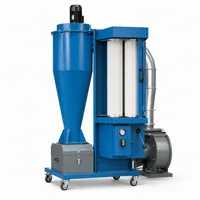
Equipment strain: Dust collectors, cartridge filters, and baghouses work harder and clog faster, raising maintenance costs and energy consumption. In severe cases, dust can escape containment and create housekeeping burdens or combustible dust hazards.
From an EHS standpoint, the goal is not zero dust — that's unrealistic in dry blasting — but rather selecting a media that minimizes the respirable fraction and keeps total suspended particulates within your plant's engineered controls.
04 What Makes an Abrasive Low-Dust?
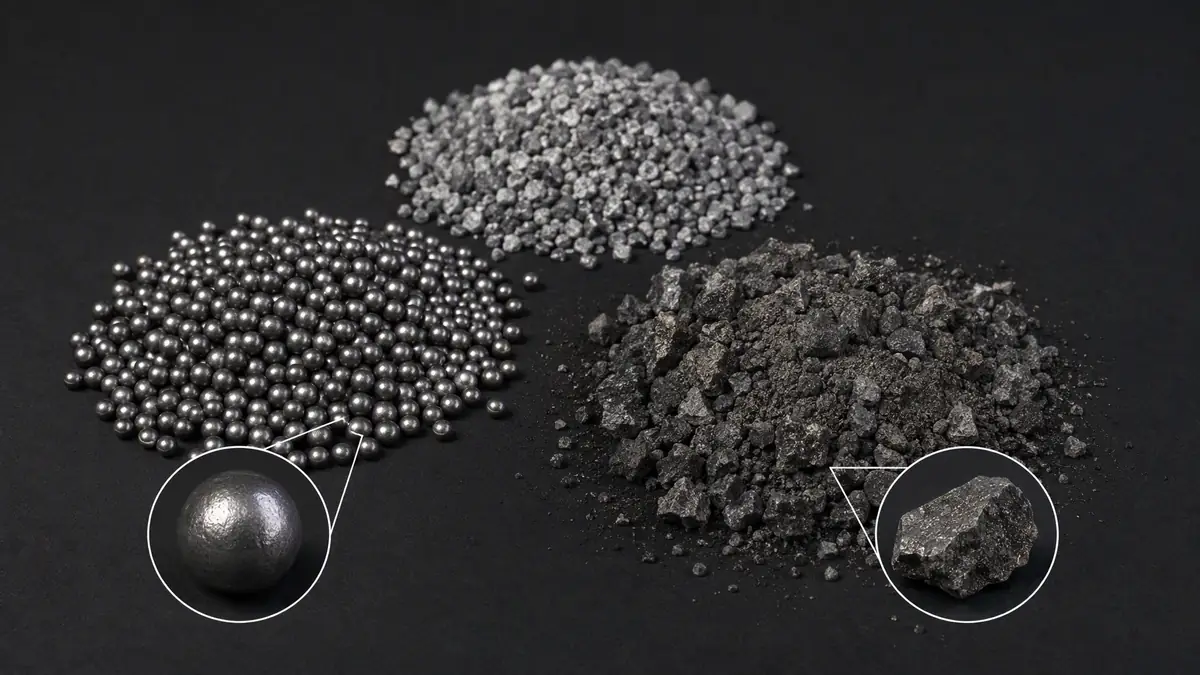
Low-dust steel shot maintains its spherical shape, while highly friable coal slag shatters into sharp, dust-producing fragments.
A product comparison image showing piles of steel shot, aluminum oxide, and coal slag. A magnified detail highlights the intact surface of steel shot versus the fractured nature of slag, explaining friability.
Dust generation depends on three properties of the abrasive itself:
Friability: How easily the particle fractures on impact. Highly friable media shatter into smaller and smaller pieces, creating more fine dust with each cycle. Low-friability media tend to wear gradually rather than shatter.
Hardness: Harder abrasives can clean faster but may also pulverize brittle surface contaminants into dust. The interaction between abrasive hardness and substrate matters.
Particle shape and integrity: Angular particles cut aggressively but can fracture at their sharp edges. Rounded or blocky particles often survive impact better, producing fewer fines.
A least dusty blast abrasive is typically one with low friability, good particle integrity under your operating pressure, and — critically — no free silica in its composition.
05 Dust Generation Ranking: Common Industrial Abrasives
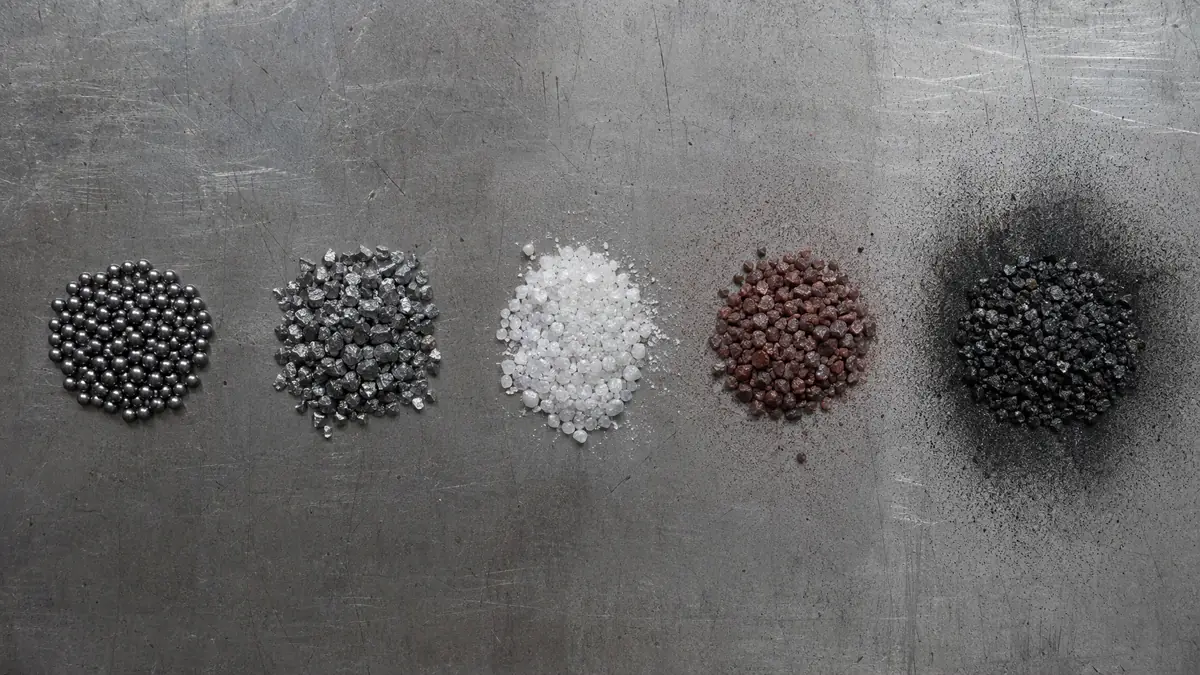
A visual ranking from lowest to highest dust: steel shot and grit remain clean, while copper slag leaves a visible halo of fine particles.
A flat lay image ranking common industrial abrasives by dust generation. Steel shot and grit are clean, while garnet and copper slag show increasing levels of fine dust contamination on the workbench surface.
The ranking below moves from lowest to highest dust generation under typical dry blasting conditions. Actual results depend on blast pressure, nozzle distance, substrate type, and whether the media is recycled. Treat this as a comparative guide, not an absolute measurement.
1. Steel Shot (Lowest Dust)
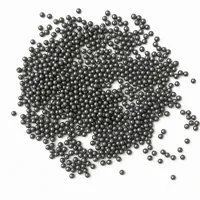
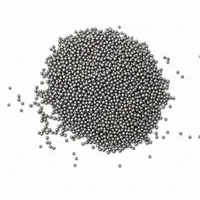
Steel shot consists of spherical, high-carbon steel particles that resist fracture under repeated impact. Because the particles are round and metallurgically tough, they tend to deform rather than shatter. This makes steel shot the lowest-dust option among common abrasives.
Dust behavior: Produces minimal primary dust from media breakdown. Most airborne material comes from the coating or surface contaminant being removed, not the shot itself.
Silica risk: Zero — contains no silica.
Typical use: Shot blasting cabinets and wheel-blast machines where media is recycled continuously. Not suitable for field blasting with expendable media.
Limitation: Round shot produces a peened surface profile, not an angular anchor pattern. May not meet profile requirements for some coatings without a grit mix.
2. Steel Grit (Very Low Dust)
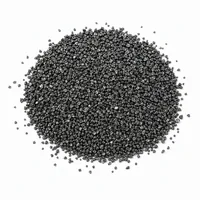
Steel grit is angular, tempered steel that fractures far less than mineral abrasives. It is designed to be recycled and maintains its cutting edges through multiple cycles.
Dust behavior: Generates some angular fines as sharp edges wear down, but the metallic particles resist shattering. Dust levels remain low compared to expendable minerals.
Silica risk: Zero.
Typical use: Recyclable blasting in enclosed systems, structural steel preparation, and applications requiring a sharp angular profile.
Limitation: Not economical as a single-use expendable abrasive. Requires equipment that captures and recycles the media.
3. Aluminum Oxide (Low to Moderate Dust)
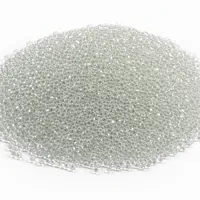
Aluminum oxide is a hard, tough synthetic mineral with a blocky crystalline structure. It is significantly more durable than natural mineral abrasives and can be recycled multiple times.
Dust behavior: Low friability means it fractures less than garnet or slag abrasives. Dust generation is moderate on first use and increases slowly with recycling as particles eventually wear down.
Silica risk: Zero — synthetic product with no free silica.
Typical use: Precision blasting, surface preparation before thermal spray, etching hard substrates, and applications where iron contamination from steel media is unacceptable.
Limitation: Higher cost per kilogram than expendable minerals. Dust levels, while lower than slags, still require dust collection in enclosed spaces.
4. Garnet (Moderate Dust)
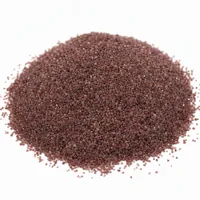
Garnet is a natural mineral abrasive with a semi-angular particle shape and moderate hardness. It is widely used as an expendable abrasive in open-air blasting and also in some recycling systems.
Dust behavior: Garnet fractures on impact, producing a mix of reusable particles and fine dust. The dust fraction is higher than aluminum oxide or steel media but lower than softer slags. Dust levels increase noticeably at blast pressures above 100 psi, where particle shattering accelerates.
Typical use: Open-air blasting, shipyards, structural steel, and waterjet cutting. Popular where a balance of cost, performance, and moderate dust is needed.
Limitation: Not the lowest-dust option. Dust collector loading is higher than with metallic media or aluminum oxide.
5. Coal Slag / Copper Slag (High Dust)
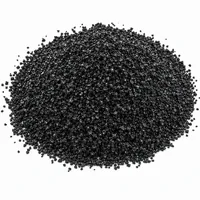
Slag abrasives are byproducts of coal-fired power generation or copper smelting. They are angular, brittle, and widely used as low-cost expendable abrasives.
Dust behavior: High friability. Slag particles shatter readily on impact, producing a large volume of fine dust. A significant fraction of the media becomes airborne and non-recoverable after a single pass. This is the dustiest category of common industrial abrasives.
Silica risk: Coal slag can contain residual crystalline silica, though levels vary by source. Copper slag generally contains little to no free silica but still generates high total dust. Confirm the safety data sheet for each supplier and batch.
Typical use: Open-air blasting where media cost is the primary driver and dust is managed through containment, water suppression, or respiratory protection.
Limitation: High dust loading on collectors, poor visibility during blasting, and greater potential for airborne silica exposure if using coal slag. Not suitable for applications with strict airborne particulate limits unless robust engineering controls are in place.
6. Silica Sand (Highest Dust — Prohibited in Many Jurisdictions)
Silica sand was historically the default blasting abrasive. It is highly friable and fractures into respirable-sized particles on impact.
Dust behavior: Extremely high dust generation. The shattered particles are themselves crystalline silica, creating a direct and severe respirable silica hazard.
Silica risk: Maximum — the media is nearly pure crystalline silica. Blasting with silica sand is prohibited or heavily restricted in many countries due to the risk of silicosis.
Status: Not recommended under any circumstances. Most industrial facilities have eliminated silica sand from blasting operations entirely.
06 Abrasive Dust Levels Comparison at a Glance
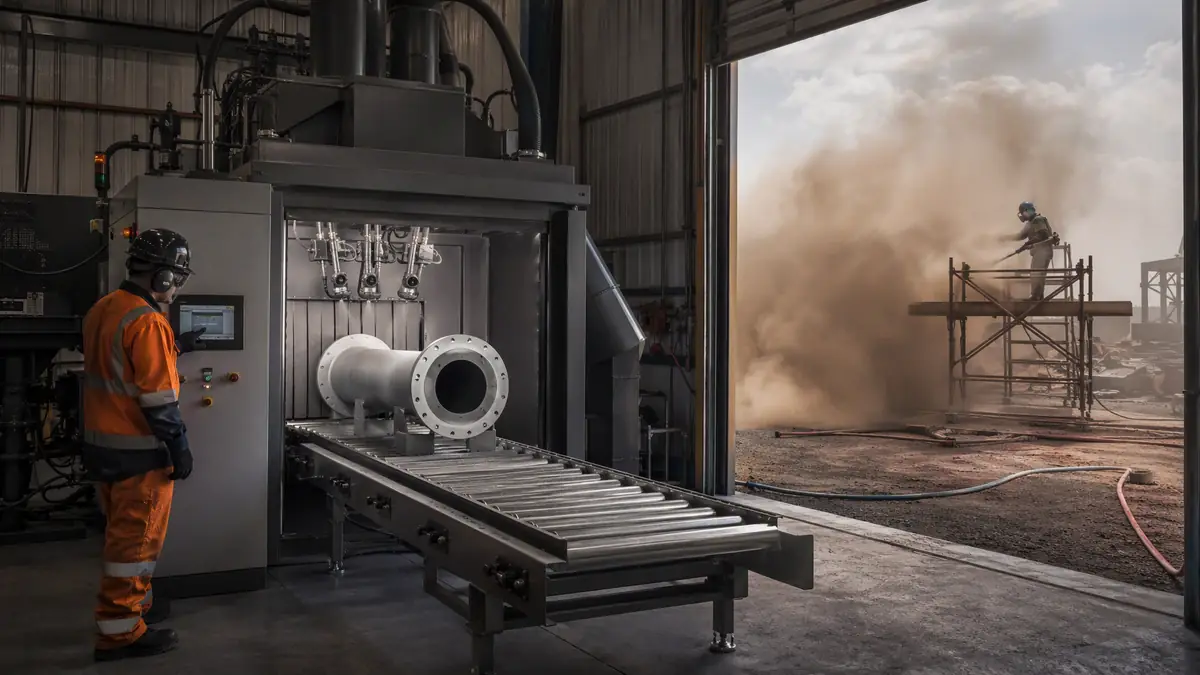
Steel shot in an enclosed blaster provides the best EHS fit, while open-air copper slag blasting generates a hazardous dust plume.
An industrial scene contrasting two blasting operations. Inside, a dust-free enclosed shot blaster is monitored by a worker. Outside, a copper slag blasting job creates a massive, hazardous dust cloud, illustrating the EHS comparison.
07 How to Evaluate Dust Behavior for Your Operation
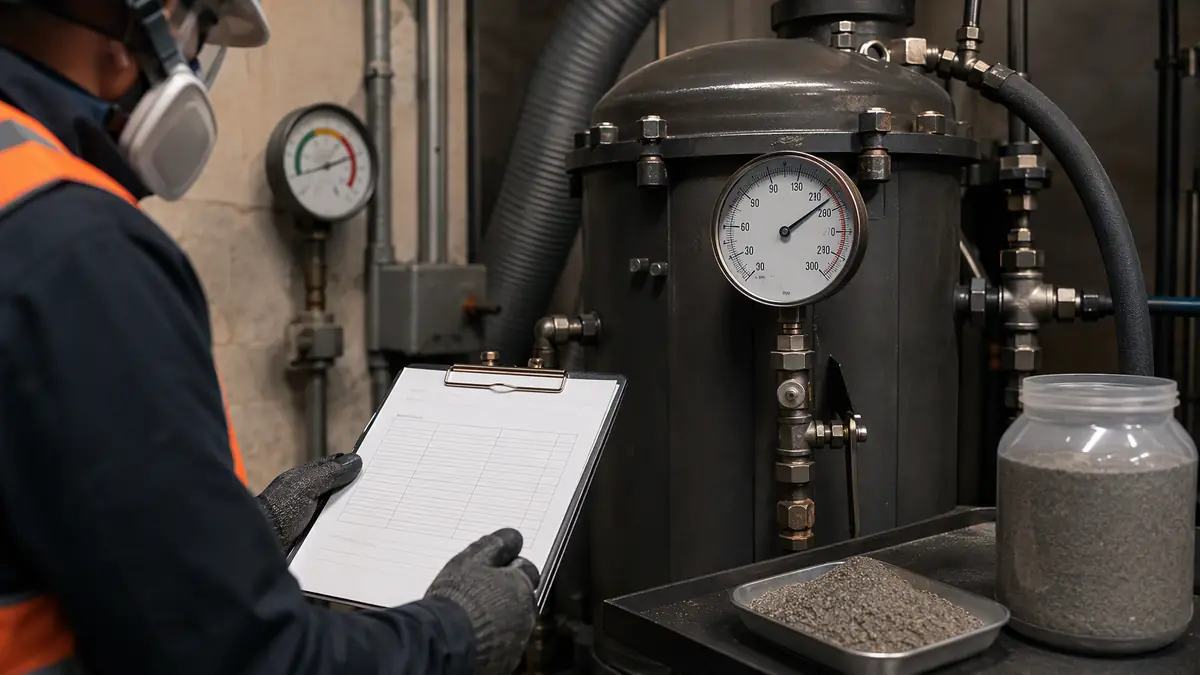
A practical evaluation involves checking blast pressure, monitoring dust collector differential pressure, and testing candidate abrasives on-site.
A worker's hand holds a clipboard near a blast pot pressure gauge and a dust collector's differential pressure gauge, representing the practical steps for evaluating abrasive dust behavior in an industrial operation.
Rankings provide a starting point. The real answer depends on your specific conditions. Here is a practical evaluation sequence:
Check the SDS and certified analysis: Request the supplier's safety data sheet and any third-party analysis for free silica content. Do not rely on product names alone — "green" or "eco" labels are not regulated and do not guarantee low silica or low dust.
Observe blast pressure effects: Higher pressure increases impact force and particle fracture. If you are running at 110–120 psi, expect more dust from any abrasive than at 80–90 psi. Test your candidate abrasive at your actual operating pressure.
Monitor dust collector differential pressure: A rising pressure drop across cartridge filters or baghouses after switching abrasives signals higher dust loading. Track this trend for the first week after any media change.
Conduct personal air monitoring: The definitive test. Use personal sampling pumps on operators to measure respirable dust and respirable crystalline silica concentrations against your regulatory limits. This captures the combined effect of media dust and substrate dust.
Inspect spent media: Collect a sample of used abrasive from the hopper or floor. Excessive fine powder relative to intact particles indicates high breakdown and dust generation.
08 Common Mistakes When Addressing Blast Dust
Focusing only on the abrasive and ignoring the substrate: The coating or rust being removed often contributes more airborne dust than the media itself. Old lead-based paint, mill scale, or deteriorated rubber linings can produce hazardous dust regardless of abrasive choice.
Assuming "silica-free" means "dust-free": An abrasive can contain zero silica and still generate high levels of inert dust that overloads collectors and reduces visibility. Silica-free is a health prerequisite, not a dust-control solution.
Overlooking dust collector capacity: Switching to a lower-dust abrasive does not eliminate the need for properly sized dust collection. Undersized collectors will struggle even with moderate dust loads, leading to fugitive emissions.
Running pressure too high: Many operations run at the maximum available pressure out of habit. Reducing blast pressure to the minimum required for the desired cleaning rate can cut dust generation significantly without changing media.
09 Frequently Asked Questions
Which blast abrasive produces the least amount of dust?
Steel shot is the lowest-dust abrasive because its spherical, high-carbon steel particles deform rather than shatter on impact. Most airborne material comes from the coating being removed, not the media itself. Steel grit is the next best option, offering very low dust with an angular profile.
Why is silica sand still ranked if it is prohibited?
Silica sand is included to clearly illustrate the extreme hazard it poses as a baseline comparison. It is highly friable and shatters into respirable crystalline silica, creating a direct silicosis risk. Its inclusion helps EHS managers justify the transition to safer, modern alternatives.
Is garnet a safe abrasive regarding silica dust?
Commercial garnet is generally safe, typically containing less than 1% free silica, with many grades certified below 0.5%. However, it generates moderate dust levels because it fractures on impact. You should always verify the supplier's specific lot analysis to confirm silica content.
What is the biggest mistake when choosing a low-dust abrasive?
The biggest mistake is focusing only on the media's dust rating without considering the dust from the surface contaminant. Even steel shot will generate hazardous airborne dust if the substrate is coated with a silica-containing material. Always evaluate the entire blasting system, not just the abrasive.
Can I use steel shot or grit for open-air field blasting?
Steel shot and grit are generally not practical for open-air blasting. They are designed to be recycled many times, requiring enclosed systems with media recovery and separation equipment. Using them as a single-pass expendable abrasive is extremely uneconomical.
How does blast pressure affect dust levels?
Higher blast pressure increases impact velocity, causing friable media like garnet and slag to shatter more violently and generate significantly more fine dust. For example, garnet dust levels increase noticeably above 100 psi. Optimizing pressure to the minimum required for cleaning can help reduce dust loading on your collectors.
What should I do after shortlisting a low-dust abrasive?
Once you have a shortlist based on EHS requirements, verify the productivity and surface profile with your process team. You can then open related product pages or contact a supplier like SPA2Z to confirm the abrasive's suitability for your specific substrate, equipment, and regulatory limits.
10 Solution
Use this ranking to shortlist abrasives that align with your plant's airborne particulate limits and silica exposure control plan. If respirable dust is your primary concern, steel shot or grit in a properly enclosed system offers the lowest risk. For open-air blasting where metallic media is not practical, garnet provides a balance of moderate dust and low silica risk — verify the analysis with your supplier.
Once you have a shortlist, the next step is confirming compatibility with your surface preparation specification, substrate, and existing equipment. For specific abrasive grades, mesh sizes, and technical data, explore the Abrasives category or contact SPA2Z directly to discuss your application requirements and request a quotation.
11 Get a quote
Get a quote
Tell us what you need. We reply within one business day.
Recommended products
Catalogue products matched to this article. Ask for grade, quantity and destination.