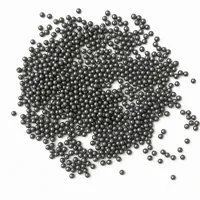
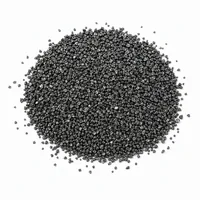
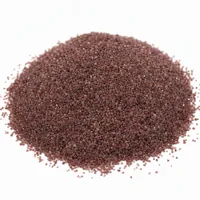
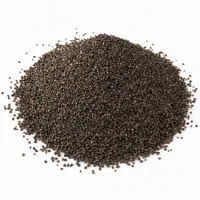
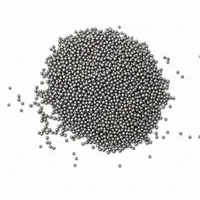
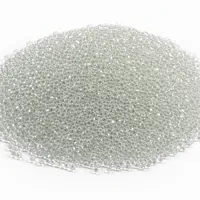
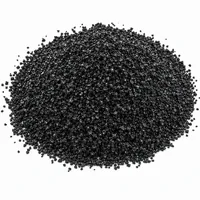
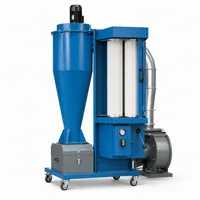
Steel shot looks identical in a bucket, but the engineering purpose—and the process control required—changes completely depending on whether you are peening or...
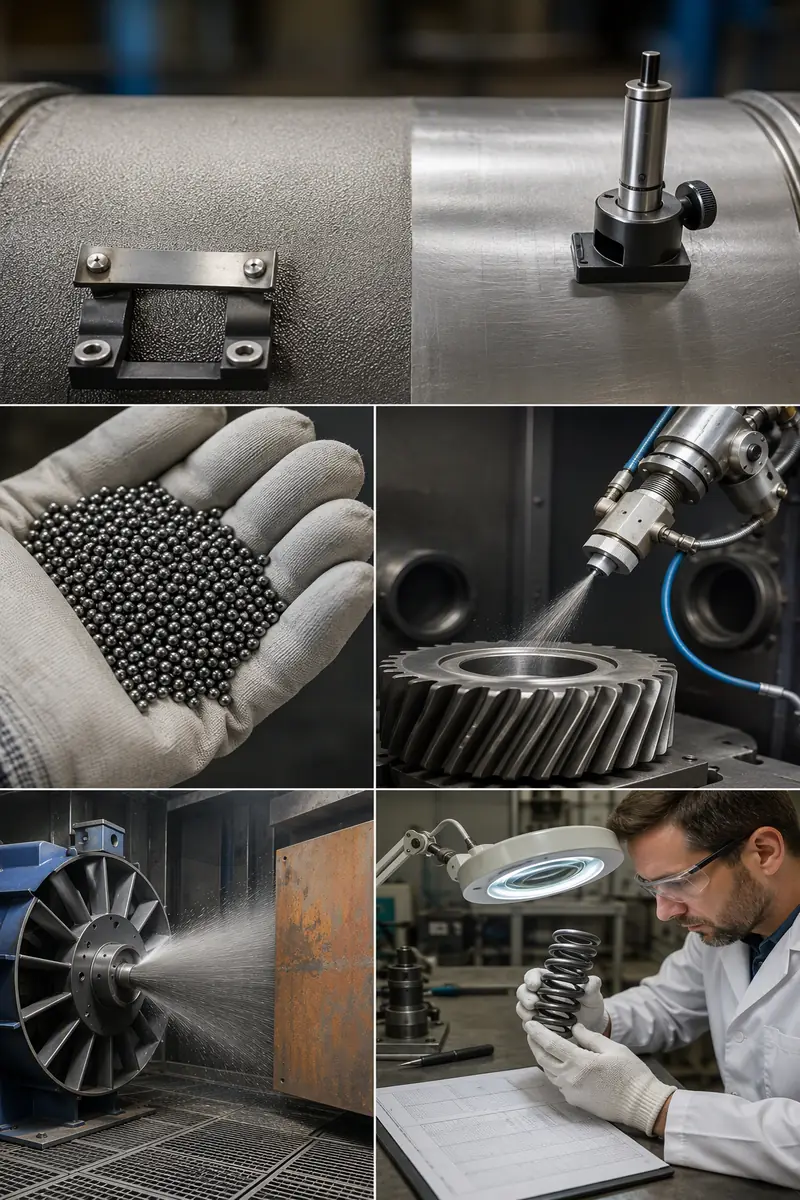
Professional editorial image showing the key differences between shot peening and blast cleaning. Panels display steel shot media, a peening nozzle on a gear, a blast turbine cleaning rust, and quality inspection tools like Almen strips and surface comparators, emphasizing process control over media
01 Introduction
Steel shot looks identical in a bucket, but the engineering purpose—and the process control required—changes completely depending on whether you are peening or cleaning. This article clarifies the distinction so aerospace and spring manufacturers ca…
02 Introduction
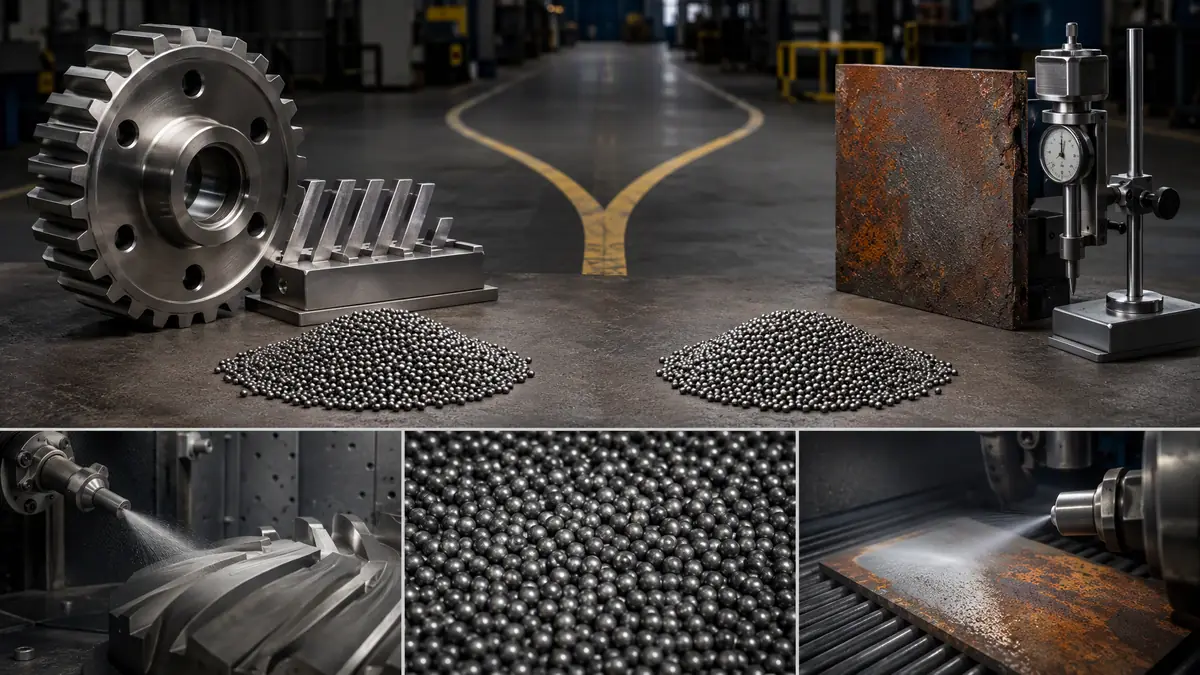
Identical steel shot media leads to two distinct industrial paths: precision shot peening for aerospace parts and surface blast cleaning for rust removal.
A conceptual image illustrating the article's introduction. Two piles of identical steel shot sit on an industrial workbench, with one path leading to shot peening tools like an Almen strip and a gear, and the other leading to blast cleaning tools like a surface comparator and a rusted plate.
A maintenance engineer specifying “steel shot” for a blast operation faces a hidden fork in the road. The same spherical metallic media can either clean a surface by removing contaminants, or it can deliberately engineer a residual compressive stress layer that extends fatigue life. The difference is not the media name—it is the intent, the process parameters, and the quality controls behind them.
For aerospace component manufacturers, spring makers, and precision engineering shops, confusing shot peening with abrasive blast cleaning can lead to premature part failure, rejected batches, and audit non-conformance. This article explains what separates the two processes, how to select media correctly, and what can go wrong when the distinction is overlooked.
03 What Is Shot Peening?
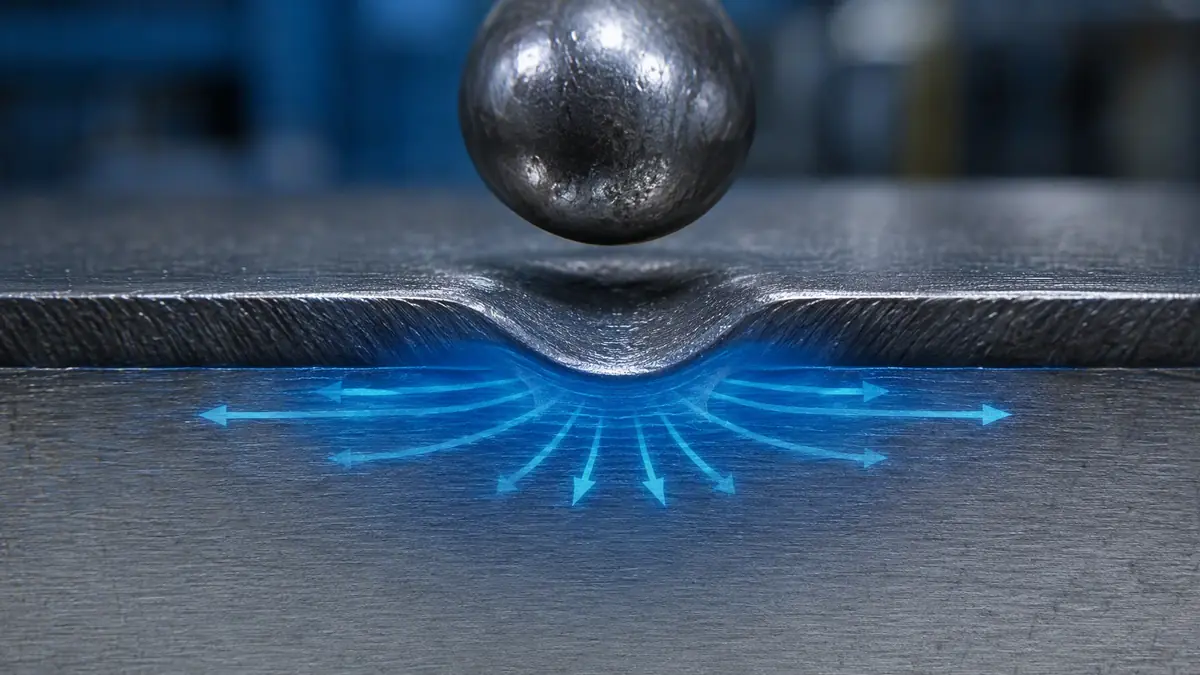
A microscopic view of a steel shot impact plastically deforming a metal surface to induce a beneficial residual compressive stress layer.
Detailed photorealistic visualization of the shot peening mechanism. A spherical steel shot strikes a metal cross-section, creating an indentation and a visible layer of compressive stress beneath the surface, which acts as a barrier against crack propagation.
Shot peening is a cold-working process in which spherical media—typically steel shot, conditioned cut wire, or ceramic beads—strikes a metal surface at controlled velocity. Each impact produces a small indentation, plastically deforming the surface layer while the underlying material attempts to return to its original shape. This creates a thin layer of residual compressive stress at the surface.
That compressive layer acts as a barrier against crack initiation and propagation. When a part experiences cyclic tensile loading in service, the applied stress must first overcome the residual compressive stress before the material actually sees tension. The result: significantly improved fatigue life, resistance to stress-corrosion cracking, and fretting fatigue resistance.
Key process characteristics that define shot peening:
Intensity: Measured on the Almen scale (A, N, or C strips), intensity reflects the kinetic energy transferred to the part. It is controlled by shot size, velocity, impact angle, and exposure time.
Coverage: The percentage of the original surface that has been indented. Aerospace specifications often require 100% coverage, verified by fluorescent tracer or visual inspection under magnification, with 200% coverage common for critical fatigue applications.
Media specification: Tightly controlled size distribution (screening), hardness, shape (spherical), and cleanliness. Mixed or broken media is unacceptable.
04 What Is Abrasive Blast Cleaning with Steel Shot?
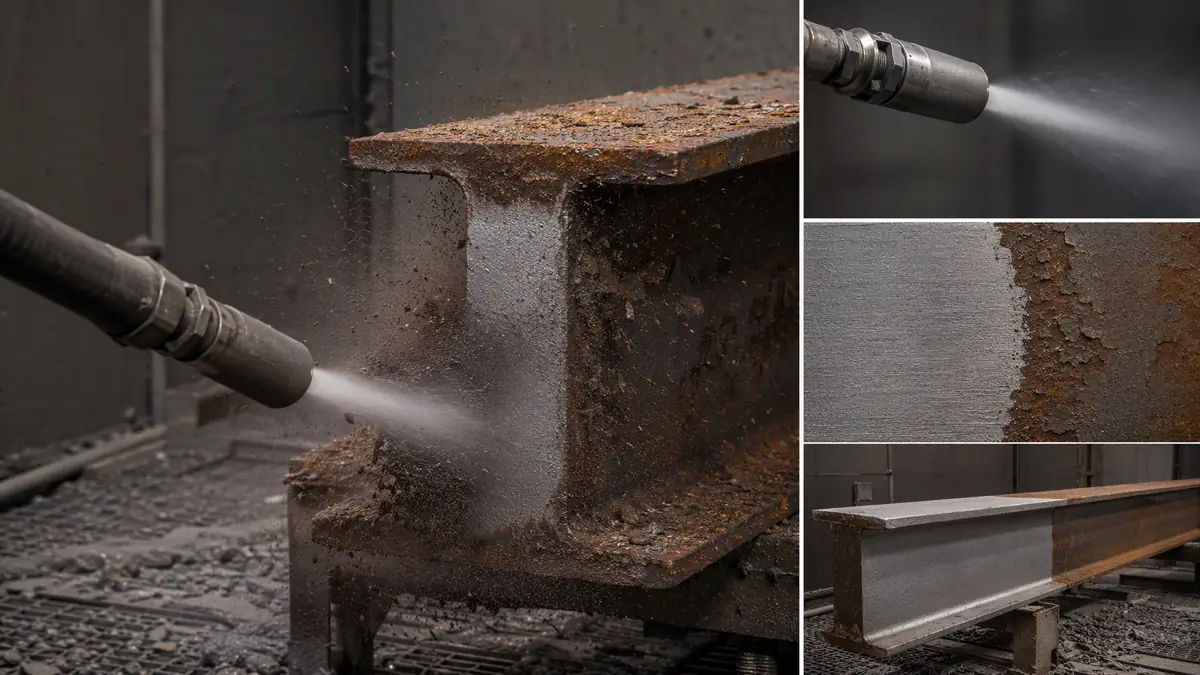
Steel shot media impacts a rusted steel beam, removing surface contaminants through kinetic energy transfer to reveal a clean substrate.
An industrial scene depicting abrasive blast cleaning. A high-velocity stream of steel shot strips rust, mill scale, and old coatings from a steel I-beam, leaving a clean metallic surface ready for coating or further processing.
Blast cleaning using steel shot is a surface preparation process. The goal is to remove mill scale, rust, old coatings, foundry sand, or heat-treatment scale from a component. The steel shot impacts the surface and dislodges contaminants through kinetic energy transfer, leaving a clean substrate ready for coating, plating, welding, or further processing.
Unlike peening, cleaning does not aim to impart a specific compressive stress profile. Any incidental compressive stress is a by-product, not a controlled outcome. The process is judged by:
Surface cleanliness standard: SSPC-SP 10 (near-white), SA 2.5, or equivalent.
Surface profile (anchor pattern): Measured in microns or mils, relevant for coating adhesion.
Production rate: Square meters per hour, media consumption per ton of work.
Media for cleaning is typically less tightly specified than peening media. A broader size distribution may be acceptable, and mixed or slightly worn shot can still clean effectively—though it will affect profile and consumption rate.
05 Steel Shot Peening vs Cleaning: The Critical Differences
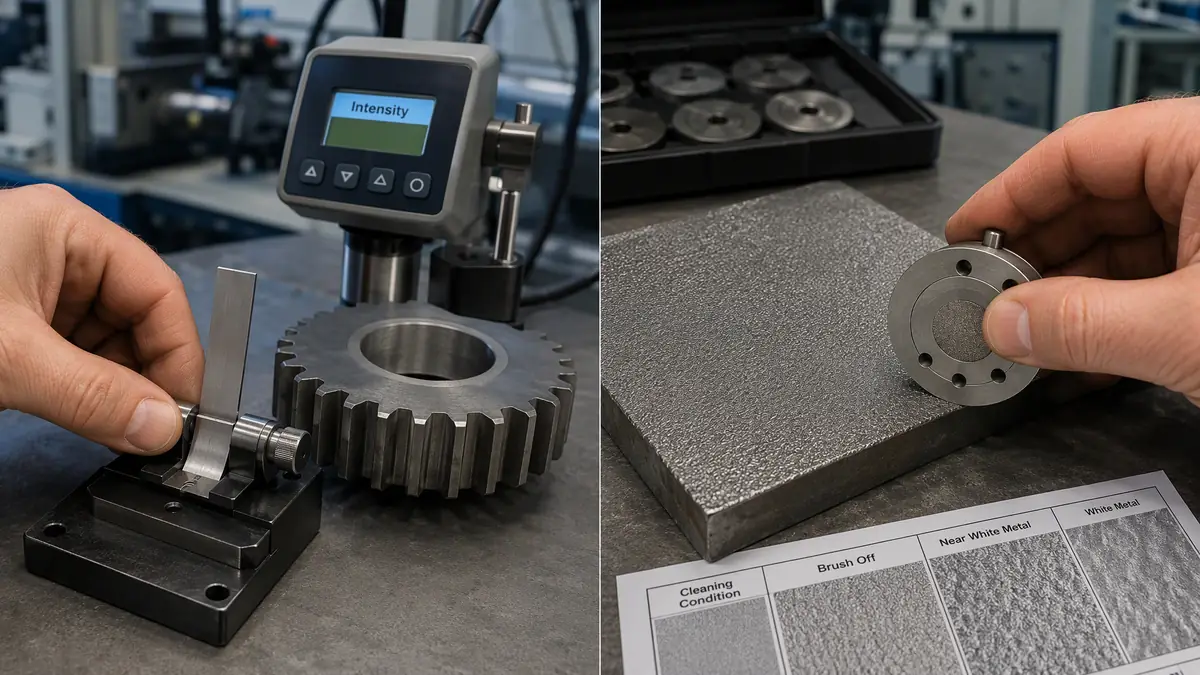
The critical difference in quality control: shot peening verifies Almen intensity, while blast cleaning verifies surface cleanliness and profile.
A direct comparison of the measured outputs for each process. The left side shows an Almen strip test setup for verifying shot peening intensity, while the right side shows a surface profile comparator and visual cleanliness standard used for blast cleaning inspection.
While both processes propel steel shot at a surface, the engineering objectives diverge sharply. The table below highlights the practical distinctions that matter during media selection and process setup.
Criterion
Shot Peening
Blast Cleaning
Primary objective
Induce controlled compressive stress
Remove surface contaminants
Measured output
Almen intensity, coverage percentage
Cleanliness grade, surface profile
Media condition
Tightly classified, minimal broken particles
Broader tolerance for wear and mixed sizes
Process control
Intensity verified regularly with Almen strips; coverage inspected per spec
Visual cleanliness comparison; profile measured with replica tape or gauge
Typical industries
Aerospace, automotive springs, gears, turbine blades
Structural steel fabrication, foundries, shipyards, general manufacturing
06 Why the Distinction Matters for Media Selection
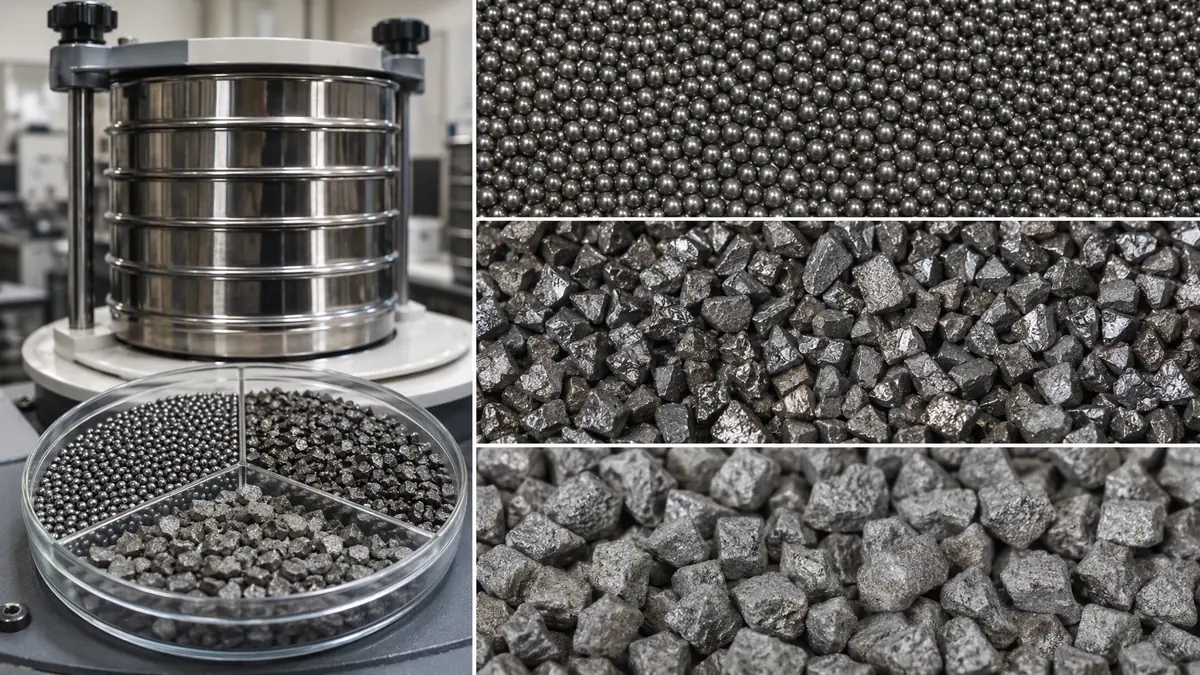
Media selection is critical: tight classification for peening versus broader tolerance for cleaning, with spent media showing wear and fractures.
A detailed view of steel shot media samples highlighting the importance of selection. A petri dish compares tightly classified spherical shot for peening, a mixed-size batch for cleaning, and worn, fractured media that is no longer effective.
Peening media selection is an engineering decision, not a purchasing convenience. The media directly influences intensity, coverage rate, and surface finish. Key selection factors include:
Hardness: Media must be harder than the workpiece to induce plastic deformation. Typical steel shot hardness ranges from 40–50 HRC for general peening, up to 55–62 HRC for hard steels. Using shot that is too soft results in low intensity; too hard may cause surface damage or excessive wear on equipment.
Size: Larger shot produces deeper compressive stress profiles but lower coverage at a given mass flow. Smaller shot yields higher coverage and finer surface finish but shallower stress depth. Aerospace peening often uses S70 to S230 sizes; heavy spring peening may use S330 or larger.
Shape and condition: Broken or angular particles create stress risers and uncontrolled intensity. Peening media must be screened regularly and replenished to maintain a working mix within specification.
Cleaning shot selection prioritises different factors:
Size and velocity: Larger shot delivers higher impact energy for heavy scale removal; smaller shot provides finer profile for thin coatings.
Hardness: Typically 40–50 HRC; harder shot cleans faster but wears equipment more aggressively.
Operating mix: A working mix that includes some worn, smaller particles is normal and can improve coverage on complex geometries. The acceptable range depends on the cleanliness and profile specification.
A common mistake is using spent peening media for cleaning, or vice versa. Once shot has been used for cleaning—where it may pick up contaminants, break down, or mix with debris—it should never be returned to a peening operation without full reclassification, cleaning, and verification against the peening specification. In practice, most aerospace and spring shops segregate media completely.
07 When Each Process Is Appropriate (and When It Is Not)
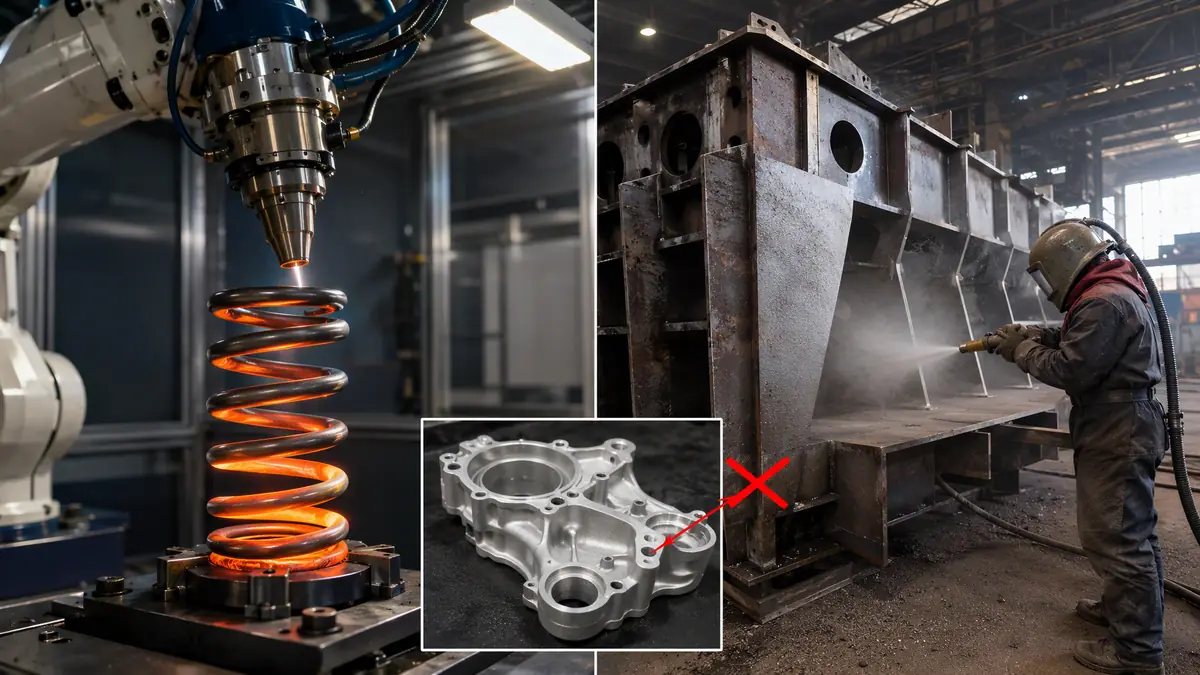
Shot peening is ideal for fatigue-critical parts like springs, while blast cleaning suits structural steel preparation, but is damaging for soft materials.
A visual guide to process selection. The left side shows a precision robotic shot peening application on a spring, the right shows a rugged blast cleaning operation on a steel structure. A visual cue indicates that soft materials are a poor fit for aggressive blasting.
Shot peening is the right choice when:
- The component experiences cyclic tensile loads in service (springs, connecting rods, crankshafts, gears).
- The specification explicitly requires peening per AMS 2430 or equivalent.
- Fatigue life extension or stress-corrosion cracking resistance is a design requirement.
- The part is safety-critical and subject to regulatory or customer audit.
Shot peening is a poor fit when:
- The only requirement is paint preparation or rust removal.
- The part geometry prevents consistent impact angle and coverage (deep blind holes, sharp internal corners without special tooling).
- The component material is too soft to respond to peening (e.g., annealed aluminium below a certain hardness—confirm against the specification).
- Cost constraints do not support the process control and inspection overhead.
Blast cleaning with steel shot is appropriate when:
- Preparing structural steel for coating per SSPC or ISO standards.
- Descaling forgings, castings, or heat-treated parts before machining or coating.
- General surface preparation where cleanliness and profile are the acceptance criteria.
Blast cleaning is insufficient when:
- The engineering drawing calls for shot peening and specifies Almen intensity.
- Fatigue performance is a design parameter.
- The application involves high-cycle loading in a critical assembly.
08 Common Mistakes and How to Avoid Them
1. Assuming “shot blasting” and “shot peening” are interchangeable
This is the most frequent and costly error. A subcontractor may accept a purchase order for “shot blasting” and deliver a cleaned part when the drawing required peening. Prevention: specify the process unambiguously on drawings and purchase orders, referencing the applicable standard (e.g., “Shot peen per AMS 2430, intensity 0.008–0.012 A, 100% coverage”).
2. Neglecting Almen strip verification
Peening intensity cannot be inferred from machine settings alone. Almen strip testing is the only accepted method for verifying that the process delivers the specified energy. Skipping this step—or reducing test frequency below the specification minimum—leaves the process unvalidated. Consequence: parts may pass visual inspection but fail in service.
3. Using contaminated or mixed media
Media that has picked up moisture, oil, or blast debris will transfer contaminants to the peened surface. Mixed-in broken particles create uncontrolled intensity and surface damage. Prevention: dedicated media for peening, regular screening, and magnetic separation where applicable.
4. Confusing coverage with cleanliness
A surface that looks uniformly matte after blasting may not have achieved full peening coverage. Coverage is about plastic deformation of every point on the surface, verified by tracer dye, fluorescent inspection, or microscopic examination—not visual brightness.
5. Overlooking media breakdown rates
Steel shot fractures over time. In cleaning, this is a gradual efficiency loss. In peening, broken shot immediately compromises process control. Establish a media replenishment schedule based on consumption rate and screening analysis, not just visual inspection.
09 Implementation Notes and Safety Considerations
Process segregation: Wherever practical, dedicate blast machines to either peening or cleaning. Cross-contamination risk is high when the same machine is used for both, even with media changes.
Machine condition: Worn blast wheels, damaged control cages, and uneven feed all affect impact velocity and distribution. For peening, machine condition directly influences intensity and coverage uniformity. Regular preventive maintenance is non-negotiable.
Operator competence: Peening operators should understand Almen strip mounting, intensity measurement, and coverage inspection. Training records and competency assessments are typically required under aerospace quality systems.
Safety: Both processes generate airborne dust and require appropriate respiratory protection, containment, and PPE. Peening media may contain heavy metal traces depending on the alloy; confirm against the media supplier’s safety data sheet.
10 Conclusion
Steel shot is a common denominator, but shot peening and blast cleaning are fundamentally different processes with distinct objectives, controls, and acceptance criteria. For aerospace manufacturers and spring makers, treating them as interchangeable risks part failure and audit findings. The correct path starts with recognising what the engineering requirement demands—compressive stress or surface cleanliness—and then selecting media, process parameters, and verification methods accordingly.
When specifying steel shot, define the purpose first. If the goal is fatigue life, the conversation is about Almen intensity, coverage, and media classification. If the goal is coating preparation, the conversation is about cleanliness grade and surface profile. Keeping those conversations separate is the simplest way to avoid expensive mistakes.
11 Frequently Asked Questions
Can I use the same steel shot for both shot peening and blast cleaning?
No, you should never use the same media interchangeably. Shot used for cleaning can pick up contaminants, break down, or mix with debris, which would compromise a peening operation. Most aerospace and spring shops completely segregate their peening media from cleaning media to prevent cross-contamination and ensure process control.
How do I know if my part needs shot peening or just blast cleaning?
The decision hinges on the engineering requirement. If the drawing specifies an Almen intensity or a standard like AMS 2430, shot peening is mandatory to induce compressive stress for fatigue life. If the requirement is only a surface cleanliness grade like SA 2.5 or SSPC-SP 10 for coating adhesion, then blast cleaning is the correct process.
What is the most common mistake when specifying steel shot processes?
The most frequent and costly error is assuming 'shot blasting' and 'shot peening' are interchangeable terms. A purchase order for 'shot blasting' may result in a cleaned part when the drawing required a peened part with controlled compressive stress. Always specify the process unambiguously by referencing the exact standard and required Almen intensity.
What happens if I use worn or broken steel shot for peening?
Using broken or angular particles for shot peening is unacceptable because they create uncontrolled stress risers on the surface. This directly compromises the fatigue life the process is designed to improve and can lead to premature part failure. Peening media must be regularly screened to maintain a spherical and tightly classified working mix.
How is the success of shot peening measured differently from cleaning?
Shot peening success is measured by Almen intensity, which verifies the kinetic energy transferred, and coverage percentage, which confirms the entire surface has been plastically deformed. Blast cleaning is judged by visual cleanliness standards and the resulting surface profile or anchor pattern depth for coating adhesion.
Why is Almen strip testing necessary if I control my machine settings?
Peening intensity cannot be reliably inferred from machine settings like wheel speed or air pressure alone. Almen strip testing is the only accepted method to directly measure the energy the media imparts to the part. Skipping this verification leaves the process unvalidated, meaning parts could pass a visual check but still fail in service due to incorrect compressive stress.
12 Solution
Use the criteria above to determine whether your application requires peening-grade or cleaning-grade steel shot. Once the process intent is clear, review the media specifications—size, hardness, and classification—that match your equipment and quality requirements. For assistance shortlisting suitable abrasives or confirming compatibility with your blasting or peening setup, explore the Abrasives product category at SPA2Z or contact the technical sales team for a specification review.
13 Get a quote
Get a quote
Tell us what you need. We reply within one business day.
Recommended products
Catalogue products matched to this article. Ask for grade, quantity and destination.