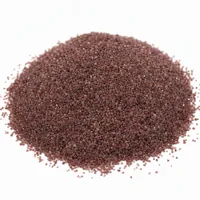
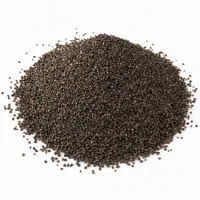
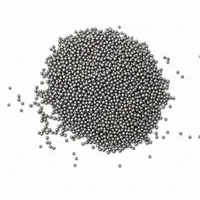
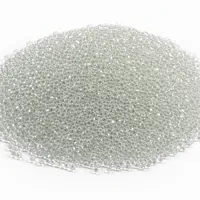
ABRASIVES GUIDE

Color Coding and Traceability for Blast Media Types

A single bucket of misidentified abrasive can ruin a high-specification coating job. For multi-media blast facilities, a practical system for abrasive media ide...

Published
09 Sep 2016
Category
Abrasives
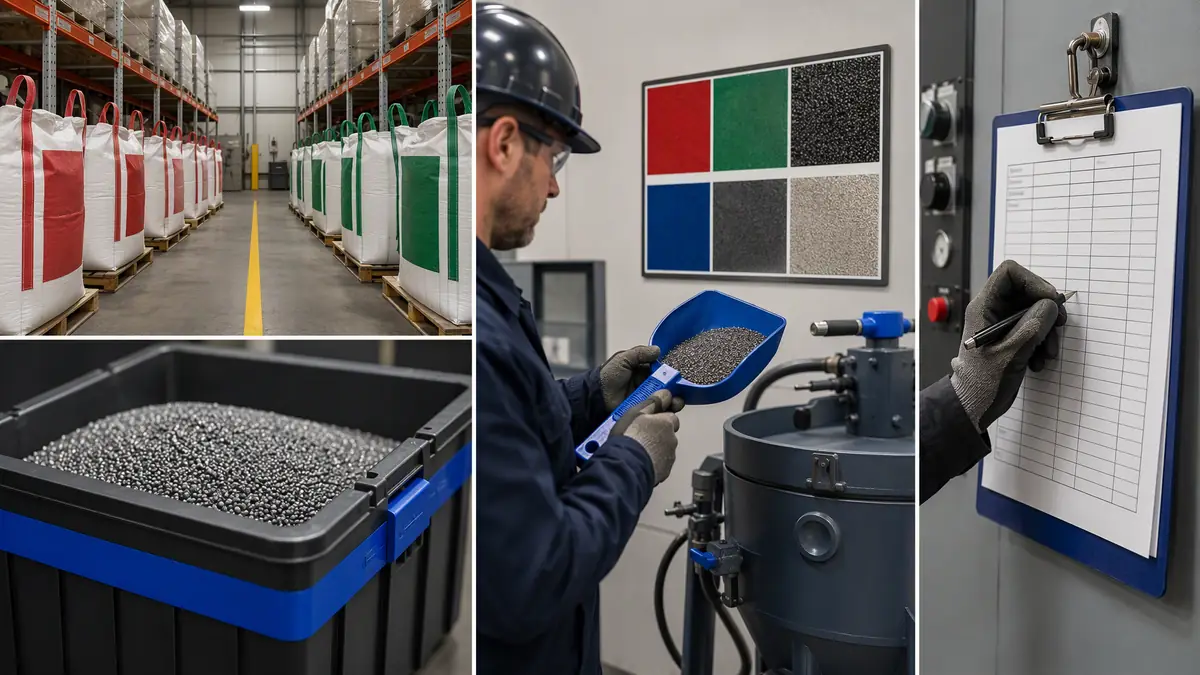
Multi-panel industrial collage showing color-coded abrasive media identification system with worker verifying steel grit, seg
FIG. 01A plant-level system for preventing media...

Featured editorial collage for an article on color coding and traceability for blast media types. A dominant panel shows a worker verifying blue color-coded steel grit at a blast pot. Supporting panels display segregated red and green supersacks in a warehouse, a close-up of a color-coded storage bi

Introduction

A single bucket of misidentified abrasive can ruin a high-specification coating job. For multi-media blast facilities, a practical system for abrasive media identification is the difference between consistent surface profiles and costly rework.

Introduction

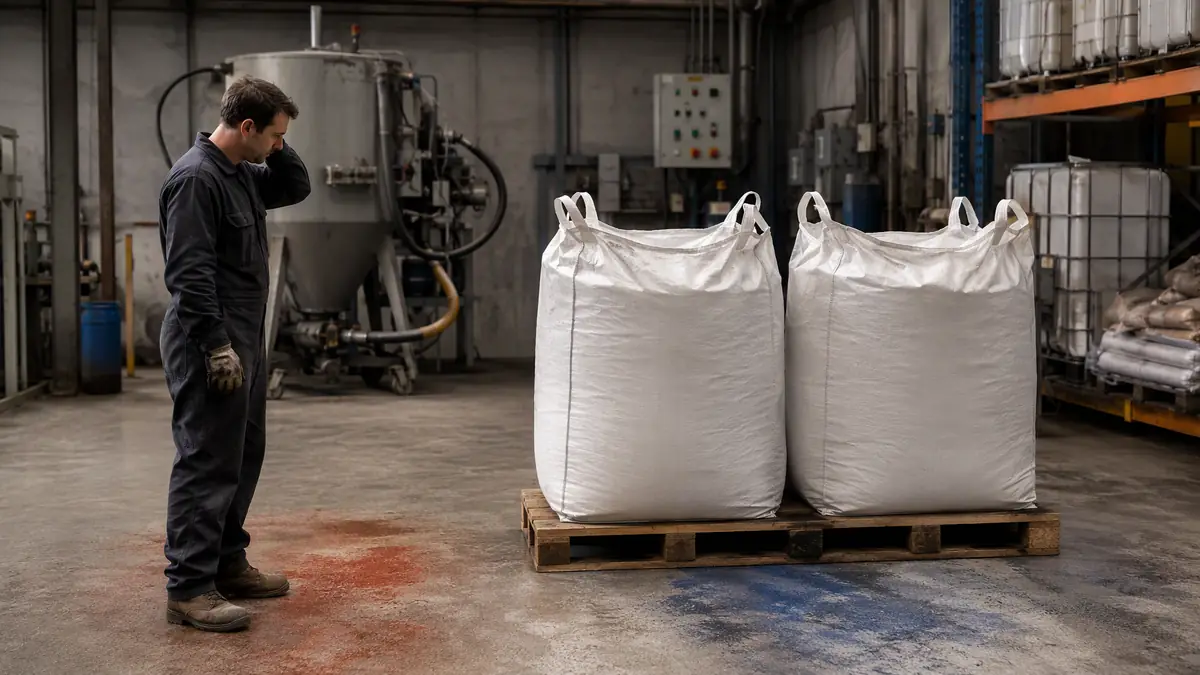
Operator in a blast facility looking at two unmarked supersacks of abrasive media, illustrating the risk of media mix-ups
A single misidentified abrasive container can lead to cross-contamination and costly rework in a multi-media blast facility.

An industrial scene depicting the persistent risk of media mix-ups. A worker stands before two identical unmarked supersacks, unable to distinguish the abrasive type. The background shows a blast pot and control panel, with traces of different media on the floor, visually communicating the introduct

Operator in a blast facility looking at two unmarked supersacks of abrasive media, illustrating the risk of media mix-ups

Blast operations that run more than one type of media face a persistent risk: cross-contamination. A scoop of steel grit dropped into a garnet hopper, a reused drum labeled incorrectly, or a new operator loading the wrong bag into the blast pot — each mistake can embed unwanted particles into a substrate, alter the anchor profile, or cause coating failure months after the job is signed off.

This article is written for plant managers, maintenance leads, and surface preparation supervisors who want a straightforward, plant-level system to prevent media mix-ups. It covers practical identification methods, segregation principles, and traceability habits that reduce human error without slowing production. The focus is on operational controls, not metallurgical theory.

What Is Abrasive Media Identification?

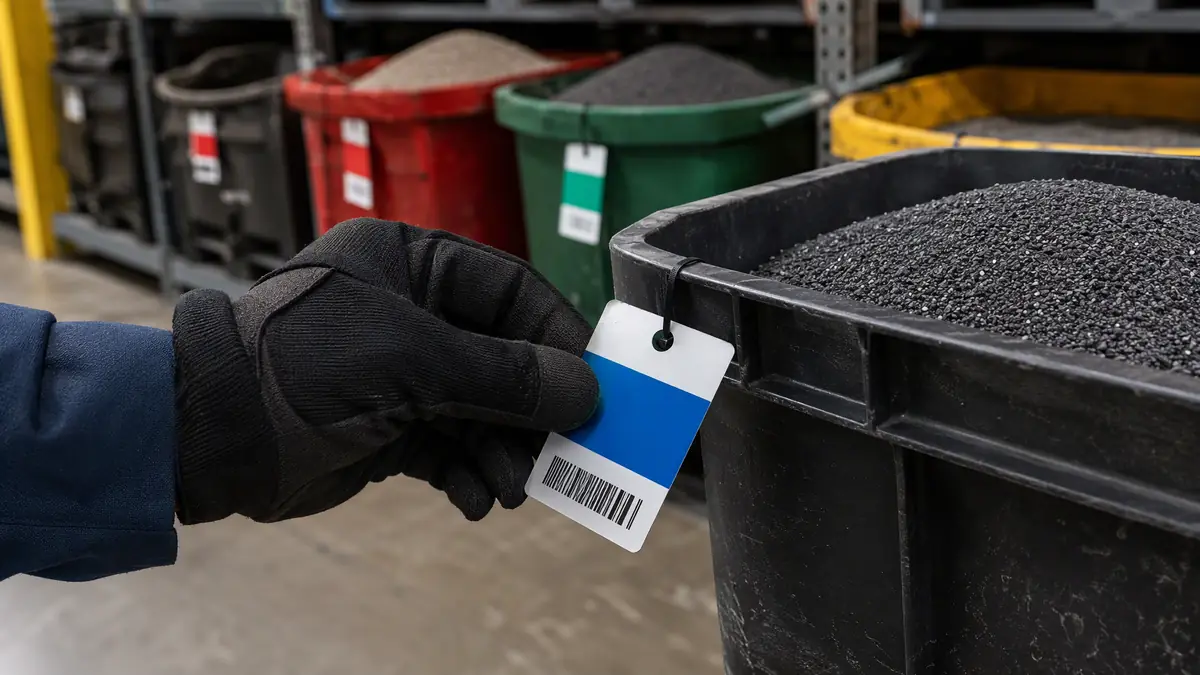
Worker's hand holding a color-coded tag on a container of steel grit for abrasive media identification
Abrasive media identification is a continuous discipline, using visual markers to confirm media type at any point in the workflow.

Close-up industrial photo illustrating the concept of abrasive media identification. A worker's gloved hand checks a durable blue color-coded tag on a tote of steel grit. The background shows a rack of other color-coded containers, emphasizing the visual system used to distinguish media types contin

Worker's hand holding a color-coded tag on a container of steel grit for abrasive media identification

Abrasive media identification is the set of practices a facility uses to distinguish one blast media type from another at every stage: receiving, storage, transfer, loading, and disposal. It goes beyond reading a label. It includes visual markers, documented handling procedures, and physical barriers that make the wrong choice difficult to make.

In a plant that handles aluminum oxide, garnet, steel grit, and glass bead simultaneously, identification is not a one-time sorting exercise. It is a continuous discipline. The goal is that any worker, at any point in the workflow, can confirm what media is in a container, where it belongs, and whether it is fit for the job at hand.

Why Media Mix-Ups Matter

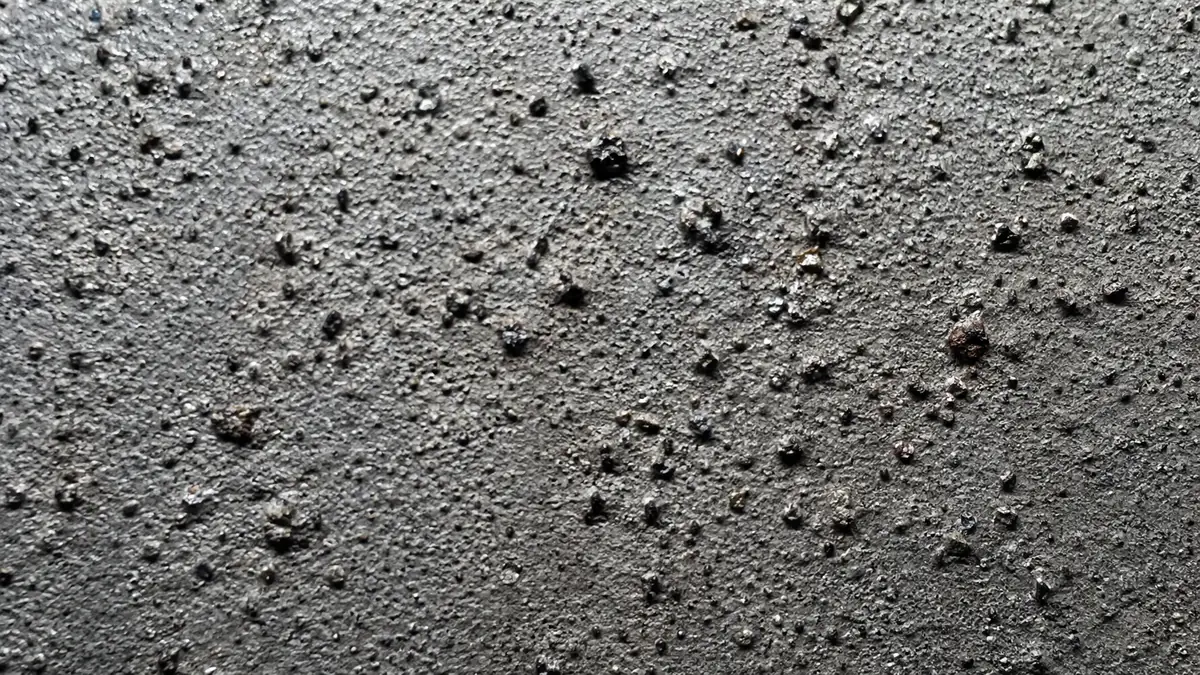
Close-up of a contaminated steel surface showing an uneven anchor profile and embedded ferrous particles from a media mix-up
A media mix-up creates an uneven anchor profile and embedded contamination, leading to premature coating failure and corrosion.

Extreme close-up macro photograph of a failed surface preparation. The image shows a chaotic, uneven anchor profile on steel, with large craters from steel grit contamination disrupting a finer garnet blast pattern. Dark embedded ferrous particles are visible, visually explaining the consequences of

Close-up of a contaminated steel surface showing an uneven anchor profile and embedded ferrous particles from a media mix-up

When media types mix, the consequences cascade:

  • Surface profile deviation. A coarse steel grit mixed into a fine garnet batch creates an uneven anchor pattern. Coating adhesion suffers, and the specification may be breached.
  • Embedded contamination. Ferrous particles lodged in a non-ferrous substrate (aluminum, stainless steel) become initiation sites for corrosion. This is a well-documented failure mode in marine and offshore coating work.
  • Rework costs. A contaminated job may require re-blasting, re-profiling, and re-coating. The direct cost of rework often exceeds the original preparation budget.
  • Equipment damage. Some media types are incompatible with certain blast pot metering valves or recovery systems. Mixed media can accelerate wear or clog abrasive regulators.
  • Waste disposal complications. Mixed spent media may be classified differently for disposal, especially if one component is hazardous.

For a plant running multiple media types, the absence of a robust identification system is not a minor housekeeping issue — it is a quality assurance gap.

Building a Plant System to Prevent Media Mix-Ups

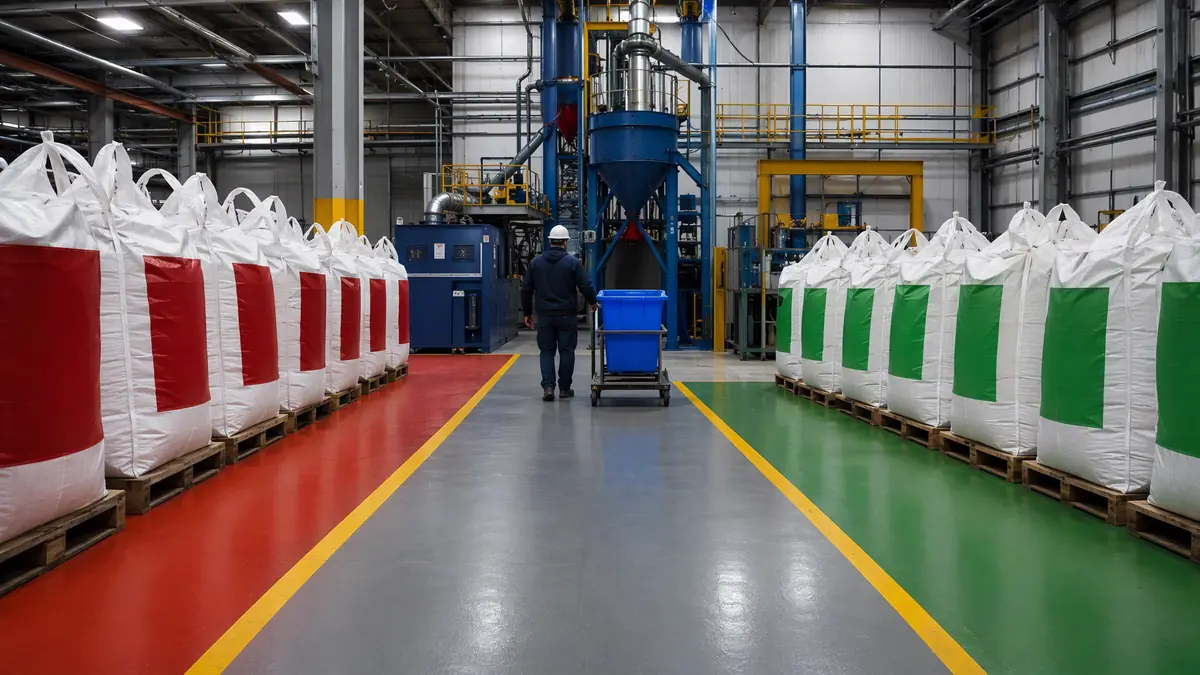
Warehouse aisle with color-coded floor zones and labeled supersacks for aluminum oxide and garnet to prevent media mix-ups
A reliable identification system uses color-coded labeling, physical segregation, and clear floor markings to make the wrong choice difficult.

Wide industrial warehouse shot illustrating a plant system to prevent media mix-ups. Red-labeled supersacks are stored on a red floor zone, and green-labeled ones on a green zone, separated by a yellow boundary line. A worker moves a blue color-coded bin, demonstrating the pillars of labeling, segre

Warehouse aisle with color-coded floor zones and labeled supersacks for aluminum oxide and garnet to prevent media mix-ups

A reliable identification system rests on three pillars: labeling, segregation, and traceability. Each pillar reinforces the others. A label means little if containers are stored in a shared pile. Segregation breaks down if nobody records what went where.

Labeling: Making Media Unmistakable

Effective labeling in an industrial environment must survive dust, abrasion, and handling. Printed paper labels on a bag that sits in a gritty yard are inadequate. Consider these layers:

Color coding by media type. Assign a specific, high-contrast color to each abrasive family. For example: red for aluminum oxide, green for garnet, blue for steel grit, yellow for glass bead. Apply the color consistently to:

  • Bulk storage bins and hoppers
  • Intermediate transfer containers (buckets, scoops, drums)
  • Blast pot loading areas
  • Spent media collection bins
  • Floor markings around designated storage zones

Color coding works because it is immediate. A worker does not need to read a label to notice that a green-coded scoop is being carried toward a red-coded blast pot. The mismatch is visual and instinctive.

Durable physical tags. For drums, supersacks, and bulk bags, use weather-resistant tags or stenciled markings that show:

Metal or rigid plastic tags with embossed text outlast laminated paper in abrasive environments. Stencil the same information directly onto steel bins and hoppers where practical.

Floor-level visual cues. Paint storage bay boundaries in the assigned color. Use shadow boards with colored outlines for scoops and tools dedicated to each media type. The principle is that every tool and surface that touches a specific media carries its color identity.

Segregation: Physical Separation That Prevents Drift

Labeling tells people what is what. Segregation makes it physically difficult for different media to mix.

Dedicated storage zones. Allocate fixed, clearly demarcated bays for each media type. Do not rotate media through a shared staging area unless it is cleaned between changes. The ideal is that a given floor area, shelf, or rack handles only one abrasive family.

Dedicated handling equipment. The scoop that transfers steel grit should never touch garnet. Assign scoops, funnels, and transfer containers to a single media type and color-code them to match. If a facility cannot afford dedicated equipment for every media, implement a verified cleaning procedure between media changes — and document each cleaning.

Blast pot discipline. A blast pot that has run steel grit must be completely emptied and purged before loading aluminum oxide. Even residual dust from the previous media can contaminate the next job. Post a simple changeover checklist at each blast pot:

  1. Empty the pot and blast hose completely
  2. Blow down with clean, dry compressed air
  3. Inspect the metering valve and pick-up tube for trapped particles
  4. Confirm the new media matches the job specification
  5. Record the changeover in the log

Spent media management. Mixed spent media is a common source of re-contamination. If spent media is recycled or screened for reuse, dedicate screening equipment or clean it thoroughly between batches. Clearly mark collection bins for spent media with the same color code as the fresh material.

Traceability: Knowing What Went Where and When

Traceability closes the loop. When a coating inspector questions a surface profile reading, the plant should be able to trace the media used on that job back to its supplier batch.

Batch log at receiving. Record every incoming media shipment:

  • Supplier name and batch/lot number
  • Date received
  • Media type, grade, and mesh size
  • Assigned internal color code
  • Storage location

Job-level usage records. For each blast job or shift, log:

  • Media type and batch used
  • Blast pot or machine number
  • Operator name
  • Job or work order reference
  • Any changeover performed

A simple paper log or a basic spreadsheet is sufficient for most plants. The key is that the record exists and is retrievable when a question arises.

Spent media tracking. If spent media is sent for disposal or recycling, record the type, approximate quantity, and date. This supports waste reporting and helps identify unusual consumption patterns that may indicate a process problem.

Common Mistakes That Undermine Identification Systems

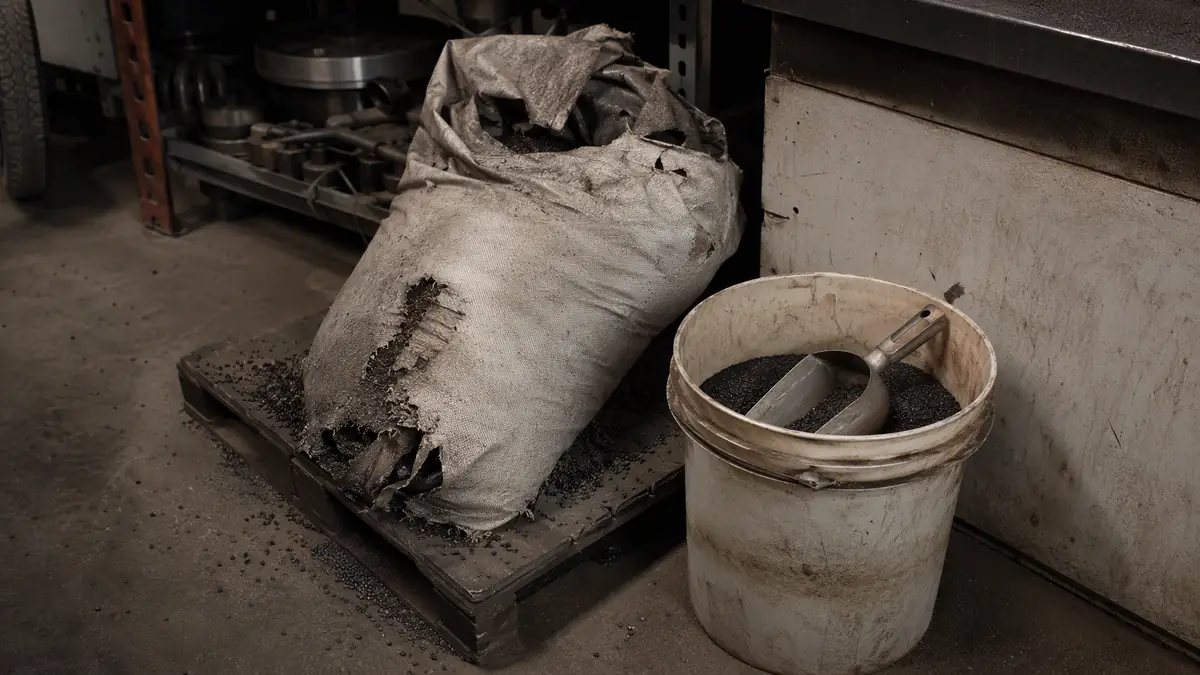
Faded supplier bag and unmarked bucket of abrasive media in a dim facility corner, illustrating a breakdown in identification
Relying on supplier bag markings and allowing unmarked containers creates opportunities for costly media mix-ups.

A realistic scene in a neglected corner of a blast facility. A torn, faded supplier bag with an illegible label sits next to an unmarked bucket containing unknown media and a scoop. This image visualizes the common mistakes that undermine identification systems, such as relying on original packaging

Faded supplier bag and unmarked bucket of abrasive media in a dim facility corner, illustrating a breakdown in identification

Even well-intentioned plants can fall into traps that degrade their identification practices:

Relying on supplier bag markings alone. Printed bags fade, tear, and get covered in dust. A bag of aluminum oxide and a bag of garnet from the same supplier can look nearly identical once the labels are obscured. Color coding at the point of storage and use is more reliable.

Allowing "temporary" exceptions. A rush job arrives, and someone borrows a scoop from the wrong bay "just this once." The scoop returns contaminated. Temporary exceptions have a way of becoming permanent habits. The system must be non-negotiable.

Storing partial bags in unmarked containers. A half-empty supersack tipped into an unmarked drum is a contamination incident waiting to happen. Every container that holds media, even temporarily, must carry identification.

Neglecting new operator training. A color-coding system works only if every person who handles media understands it. Include media identification in onboarding and refresh it periodically. Post the color code legend at loading stations.

Ignoring spent media segregation. Fresh media may be perfectly controlled, but if spent garnet and spent steel grit are swept into the same pile for disposal, cross-contamination can find its way back into the process — especially if any material is screened for reuse.

Implementation Notes and Practical Considerations

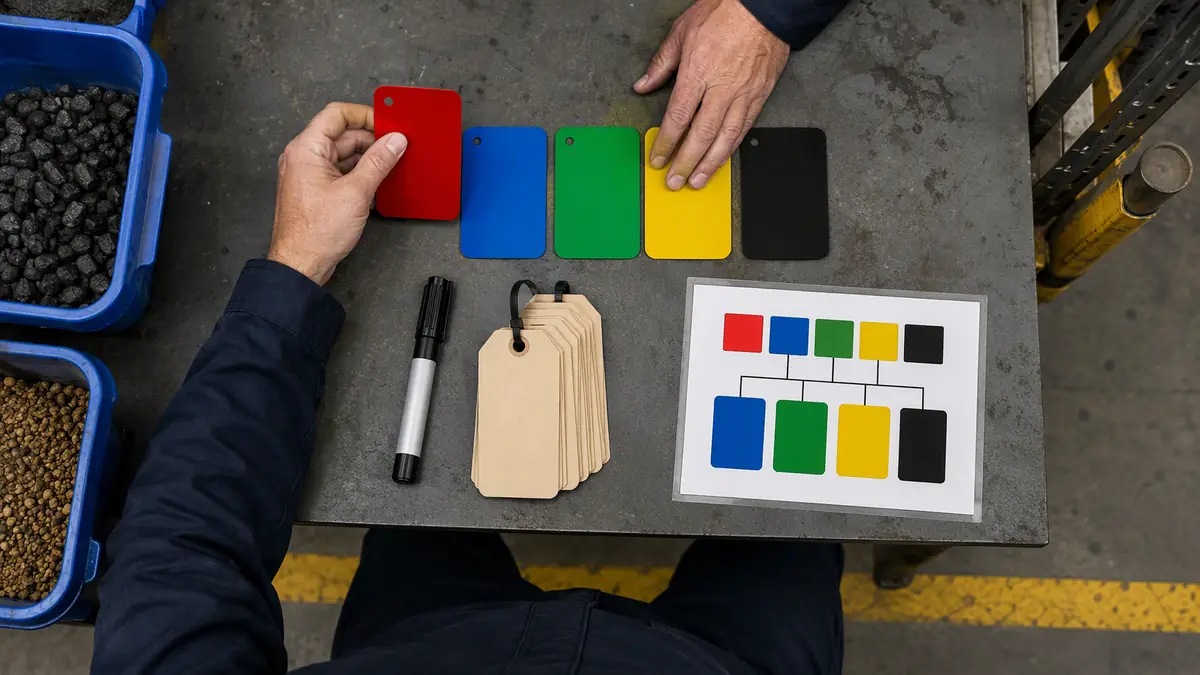
Top-down view of a plant manager's hands arranging a simple color-coding kit with sample chips, tags, and a marker for abrasi
Starting with a media audit and a simple, manageable color code makes implementation practical and sustainable.

Flat-lay industrial photograph from above. A plant manager's hands organize a color-coding implementation kit on a workbench. The kit contains five high-contrast color chips (red, blue, green, yellow, black), rugged tags, a marker, and a laminated reference chart. The image conveys the practical, si

Top-down view of a plant manager's hands arranging a simple color-coding kit with sample chips, tags, and a marker for abrasi

Start with a media audit. List every abrasive type, grade, and supplier currently in use. Identify where each is stored, how it moves through the plant, and where mix-up risks are highest. This audit shapes the color code scheme and segregation layout.

Keep the color code simple. Five or six colors are manageable. Ten or more become confusing. If the plant runs many media variants, group them by family (all aluminum oxides share one color, all garnets another) and use labels to distinguish grades within the family.

Choose colors that work under plant lighting. Pale yellow and white can be hard to distinguish in a dim yard. High-contrast, saturated colors — red, blue, green, black, orange — hold up better under sodium-vapor or LED high-bay lights.

Verify with a simple field test. Periodically challenge the system: ask an operator who was not involved in setup to locate a specific media type and confirm its identity. If they hesitate or make an error, the labeling or segregation needs improvement.

Document the system. Write a one-page standard operating procedure that defines the color codes, storage zones, changeover steps, and logging requirements. Keep it accessible. A system that lives only in the plant manager's head is fragile.

Conclusion

Abrasive media identification is not about buying expensive tracking technology. It is about building a set of simple, visual, and enforced habits that make the right media choice obvious and the wrong choice difficult. Color coding, dedicated storage, and basic batch logging form a system that any multi-media blast facility can implement with modest effort.

The return on that effort is measured in avoided rework, consistent surface profiles, and confidence that the media loaded into the blast pot matches the specification on the work order. For a plant that takes on varied coating preparation work, that confidence is a competitive asset.

Frequently Asked Questions

What is the most reliable way to identify blast media in a busy plant?

The most reliable method combines visual color coding with physical segregation. Assign a specific color to each abrasive family and apply it to storage bins, transfer containers, scoops, and floor markings. This creates an immediate visual cue that does not require reading a label, reducing the chance of human error.

How do I choose the right colors for a media identification system?

Select four to six high-contrast, saturated colors like red, blue, green, yellow, and black that are easily distinguishable under your plant's lighting. Avoid pale or similar shades that can be confused in dim conditions. Group media variants by family under one color, and use durable tags or stencils to differentiate specific grades within that family.

What is the biggest mistake facilities make when trying to prevent media mix-ups?

The most common mistake is allowing 'temporary' exceptions, such as borrowing a scoop from a different media bay for a rush job. This introduces contamination and quickly erodes the discipline of the system. A successful program must treat all segregation rules as non-negotiable and include dedicated handling equipment for each media type.

How can we prevent cross-contamination when changing media in a blast pot?

Implement a mandatory changeover checklist. The pot and blast hose must be completely emptied, then purged with clean, dry compressed air. Inspect the metering valve and pick-up tube for any trapped particles before loading the new media. Documenting each changeover in a log creates accountability and a traceable record.

What traceability records should we keep for our blast media?

Keep a batch log at receiving that records the supplier, lot number, date, and media type. For each job, log the media batch used, the blast pot number, the operator, and any changeovers performed. These records allow you to trace a surface profile issue back to a specific batch of media if a coating inspector raises a concern.

Why is spent media segregation as important as fresh media control?

Mixed spent media is a major source of re-contamination, especially if material is screened for reuse. If different media types are swept into the same disposal pile, particles can be inadvertently reintroduced into the blasting process. Spent media collection bins should carry the same color code as fresh material to prevent this.

How do we start building a media identification system from scratch?

Begin with a full media audit to list every abrasive type, grade, and supplier in your facility. Map out how each media moves from receiving to disposal to identify the highest-risk mix-up points. This assessment will directly inform your color-coding scheme, segregation layout, and the specific handling procedures you need to document.

Solution

Review your current media handling workflow against the principles outlined here. Identify the highest-risk mix-up point — often the blast pot loading area or the spent media collection zone — and apply color coding and segregation there first.

When you are ready to evaluate abrasive media types for your applications, explore the Abrasives product category for aluminum oxide, garnet, and other blast media options. For technical confirmation on media compatibility with your specific blasting equipment or surface preparation specification, contact SPA2Z directly with your requirements.

Get a quote

Get a quote

Tell us what you need. We reply within one business day.

Sending…
Need a price? Ask us here.