SURFACE PREP GUIDE

How to Choose Shot Blasting Media

Choosing the right shot blasting media is essential for achieving the desired surface finish, removing rust and scale, preparing surfaces for coating, and impro...

Published
13 Oct 2026
Category
Surface Prep
How to Choose Shot Blasting Media
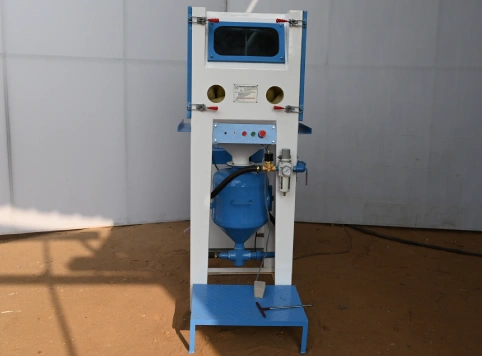
FIG. 01How to Choose Shot Blasting Media

Introduction

Choosing the right shot blasting media is essential for achieving the desired surface finish, removing rust and scale, preparing surfaces for coating, and improving production efficiency. Different blasting media offer different levels of hardness,…

What Is Shot Blasting Media?

section-1

Whether you work in automotive manufacturing, foundries, construction, metal fabrication, or industrial surface treatment, understanding how to choose shot blasting media can help you achieve consistent and reliable results.

In this guide, we will explain the different types of shot blasting media, the factors to consider when selecting them, and how to choose the best option for your specific application.

What Is Shot Blasting Media?

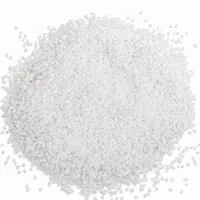
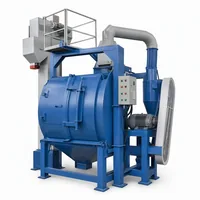
Shot blasting media refers to abrasive particles used to clean, prepare, strengthen, or finish a surface through controlled mechanical impact. These particles are propelled against a workpiece using a centrifugal blast wheel or, in some applications, compressed air.

When the media strikes the surface, it removes unwanted materials such as rust, paint, mill scale, sand, and other contaminants. Depending on the media type and blasting process, it can also create a specific surface profile or improve the fatigue resistance of metal components through shot peening.

Common shot blasting media include steel shots, steel grit, stainless steel shots, aluminium oxide, glass beads, and other specialised abrasives.

Why Is Choosing the Right Shot Blasting Media Important?

Selecting the correct media directly affects the quality, cost, and efficiency of the blasting process.

Here are the main benefits of choosing suitable shot blasting media:

  • Effective surface cleaning: The right abrasive removes rust, scale, and contaminants efficiently.
  • Improved coating adhesion: Appropriate surface preparation helps protective coatings adhere properly.
  • Consistent surface finish: Different media produce different textures, from relatively smooth finishes to rougher anchor profiles.
  • Reduced operating costs: Durable, recyclable media can reduce abrasive consumption and waste.
  • Protection of the workpiece: Proper media selection helps prevent unnecessary surface damage or dimensional changes.
  • Higher productivity: Correct media size and hardness can improve cleaning speed and production efficiency.

For these reasons, media selection should always be based on the material, application, required surface condition, and blasting equipment.

Types of Shot Blasting Media

Before choosing shot blasting media, it is important to understand the characteristics of commonly used abrasive materials.

1. Steel Shot

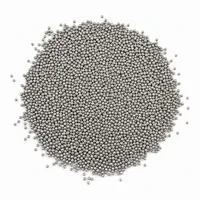
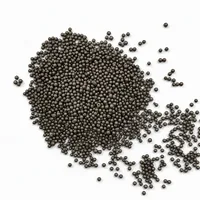
Steel shot consists of rounded steel particles that provide controlled impact and are widely used in wheel-blast machines.

Key characteristics:

  • Rounded particle shape
  • High durability and recyclability
  • Suitable for repeated use in compatible blasting systems
  • Generally produces a relatively smooth, peened, or less angular finish than steel grit

Common applications:

  • Cleaning castings and forgings
  • Removing loose scale and surface contaminants
  • Shot peening metal components
  • Preparing certain steel surfaces for subsequent processing

Steel shot is a good choice when productivity, media recovery, and repeated use are important.

2. Steel Grit

Steel grit consists of angular steel particles designed to produce a more aggressive cutting and cleaning action.

Key characteristics:

  • Angular particle shape
  • Effective removal of stubborn contaminants
  • Produces a more pronounced surface profile than rounded shot under comparable conditions
  • Available in different sizes and hardness grades

Common applications:

  • Removing heavy rust and mill scale
  • Cleaning structural steel
  • Preparing steel plates and fabricated components for protective coatings
  • Cleaning heavy industrial equipment and castings

Steel grit is often preferred when a controlled, rougher surface profile is required for coating adhesion.

3. Stainless Steel Shot and Grit

Stainless steel abrasives are used when reducing carbon-steel contamination is important or when processing stainless steel and certain non-ferrous components.

Key characteristics:

  • Available in rounded and angular forms
  • Suitable for applications requiring controlled contamination
  • Reusable in compatible blasting equipment
  • Higher initial cost than many conventional carbon-steel abrasives

Common applications:

  • Stainless steel fabrication
  • Aerospace and specialised manufacturing
  • Cleaning selected non-ferrous components
  • Surface finishing where iron contamination must be controlled

Always verify the abrasive grade and compatibility with the workpiece. Stainless steel media should not automatically be assumed suitable for every alloy or critical application.

4. Aluminium Oxide

Aluminium oxide is a hard, angular abrasive commonly used in abrasive blasting systems.

Key characteristics:

  • High hardness
  • Strong cutting action
  • Available in different grit sizes
  • Suitable for many precision and specialised surface-preparation applications

Common applications:

  • Cleaning and preparing metal surfaces
  • Removing coatings and contaminants
  • Preparing components for bonding or other surface treatments
  • Blasting applications where a non-steel abrasive is required

Aluminium oxide is especially useful when an angular abrasive is needed and the equipment is designed for it.

5. Glass Beads

Glass beads are rounded abrasive particles used when a smoother, more uniform finish is desired.

Key characteristics:

  • Rounded particle shape
  • Produces a relatively smooth, satin, or peened appearance
  • Generally less aggressive than angular abrasives under comparable operating conditions
  • Suitable for selected finishing and cleaning operations

Common applications:

  • Decorative finishing of metal parts
  • Cleaning certain stainless steel components
  • Removing light surface contamination
  • Producing a uniform appearance on compatible components

Glass beads are not usually the first choice for removing heavy rust or producing a deep anchor profile.

6. Other Specialised Abrasives

Depending on the workpiece and equipment, other abrasives may be appropriate.

  • Garnet: An angular abrasive used in many abrasive blasting applications, particularly suitable equipment and processes.
  • Plastic media: Used for selected coating-removal applications where substrate damage must be minimised.
  • Walnut shell: Used for certain delicate cleaning tasks and softer substrates.
  • Ceramic media: Used in specialised finishing and surface-treatment applications.

Not every abrasive is suitable for a centrifugal wheel-blast machine. Always check equipment compatibility, material safety information, and the manufacturer's recommendations before selecting a media type.
7 Important Factors to Consider When Choosing Shot Blasting Media

7 Important Factors to Consider When Choosing Shot Blasting Media

Selecting the right shot blasting media involves more than simply choosing an abrasive based on price. Consider the following factors before making a decision.

1. Type of Material Being Blasted

The workpiece material is one of the most important considerations.

For carbon steel, steel shot and steel grit are common choices. Stainless steel components may require stainless steel or other suitable media to reduce the risk of iron contamination. Aluminium and other softer metals may need less aggressive abrasives and carefully controlled blasting parameters.

Always consider the hardness, thickness, geometry, and sensitivity of the workpiece before selecting media.

2. Desired Surface Finish

Determine the surface condition you need to achieve.

If you require a relatively smooth or peened finish, rounded steel shot or glass beads may be suitable, depending on the application. If the objective is to remove heavy scale or create a rougher surface profile, angular steel grit or another appropriate angular abrasive may be more effective.

For coated components, follow the coating manufacturer's specified surface-preparation requirements rather than choosing a media type based on appearance alone.

3. Abrasive Size

Media size affects impact energy, cleaning behaviour, surface coverage, and the profile produced.

  • Smaller particles: Can provide more impacts per unit area and may be suitable for finer cleaning or smaller features.
  • Larger particles: Can deliver stronger individual impacts and may help with heavier contamination, subject to equipment limits.
  • Incorrect sizing: May result in poor cleaning, excessive roughness, inadequate coverage, or unnecessary media consumption.

The ideal particle size depends on the material, contamination level, machine settings, and required finish. Use the recommended media size range for your equipment and application.

4. Media Hardness

Abrasive hardness influences how the media interacts with the workpiece.

Harder media can be effective for aggressive cleaning, but excessive impact severity may damage a sensitive surface. Softer or more forgiving media may be preferable for delicate components or controlled finishing tasks.

Hardness should be selected alongside particle shape and size, not as an isolated specification.

5. Production Requirements

Your production volume and cycle-time targets can influence media selection.

For high-volume industrial operations, durable, reusable media may offer advantages because they can support continuous processing and reduce replacement frequency. For occasional or specialised work, a different abrasive may be more economical.

Evaluate cleaning speed, media breakdown, machine wear, recovery efficiency, and the consistency of the final finish.

6. Blasting Equipment Compatibility

Different machines are designed for different abrasive types.

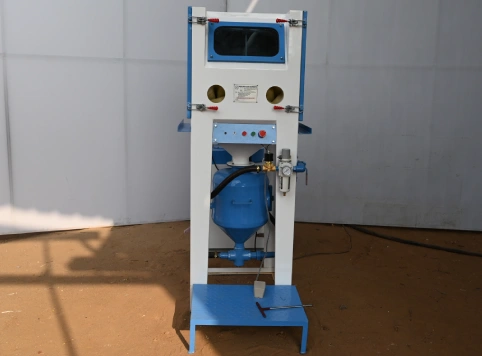
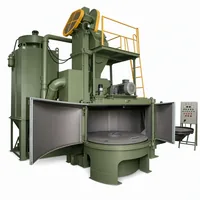
Centrifugal wheel-blast machines commonly use suitable metallic media, such as steel shot or steel grit. Compressed-air blasting systems may accommodate a wider range of abrasives, depending on their design.

Before purchasing media, verify:

  • Permitted abrasive type and size
  • Required media hardness and shape
  • Wheel or nozzle operating limits
  • Separator and recovery-system compatibility
  • Dust collection and filtration requirements

Using incompatible media can cause excessive wear, poor performance, or equipment damage.

7. Operating Cost and Reusability

The cheapest abrasive is not necessarily the most economical option.

Compare the total operating cost, including:

  • Initial media purchase price
  • Media consumption and breakdown rate
  • Energy and production time
  • Equipment wear and maintenance
  • Dust collection and waste disposal
  • Surface quality and rework requirements

Durable metallic media may be economical in a properly maintained recovery system, while other abrasives may be more suitable for specific applications. Evaluate cost per successfully processed component rather than purchase price alone.

How to Choose the Right Shot Blasting Media for Your Application

Use the following examples as a starting point when selecting abrasive media.

ApplicationPotential media choiceMain consideration
Cleaning steel castingsSteel shot or steel gritCasting condition and required finish
Removing heavy rust from steelSteel gritCleaning effectiveness and surface profile
Preparing structural steel for coatingSuitable steel grit or approved abrasiveSpecified cleanliness and profile
Shot peening componentsSpecified steel or other approved shotPeening intensity and process control
Finishing stainless steelStainless steel shot, grit, or glass beadsContamination control and finish
Decorative metal finishingGlass beadsAppearance and surface sensitivity
Specialised precision cleaningAluminium oxide or another approved abrasiveSubstrate compatibility and process requirements

These are general recommendations, not universal specifications. Confirm the appropriate media with the equipment supplier, coating manufacturer, or applicable process standard.

Common Mistakes to Avoid When Selecting Shot Blasting Media

Avoid these mistakes to improve blasting quality and reduce unnecessary costs.

Choosing media only by price: Low-cost media may break down quickly or increase maintenance expenses.

Ignoring surface-profile requirements: A surface that looks clean may still fail to meet the coating specification.

Using the wrong particle size: Incorrect sizing can lead to inconsistent cleaning and an unsuitable finish.

Overlooking contamination risks: Incompatible media can introduce unwanted materials onto sensitive surfaces.

Neglecting media maintenance: Broken-down or contaminated media can reduce performance and affect consistency.

Ignoring operator safety: Abrasive blasting can generate hazardous dust, noise, and high-velocity particles. Use appropriate containment, ventilation, dust collection, protective equipment, and safe operating procedures.

How to Maintain Shot Blasting Media for Better Performance

Correct media selection is only one part of an effective blasting process. Regular maintenance is also essential.

  • Inspect the media mixture and replace worn or broken particles as needed.
  • Keep the abrasive free from excessive dust and foreign contaminants.
  • Check separators and recovery systems for correct operation.
  • Monitor surface cleanliness and profile at appropriate intervals.
  • Follow the machine manufacturer's maintenance schedule.
  • Record media consumption, processing time, and maintenance costs to identify performance changes.

A well-maintained blasting system helps deliver more consistent results and improves the value obtained from the abrasive.

Frequently Asked Questions About Shot Blasting Media

1. Which shot blasting media is best for steel?

Steel shot and steel grit are common choices for steel components. Steel shot is generally used for rounded-impact cleaning and peening applications, while angular steel grit is often preferred for aggressive cleaning and creating a more pronounced surface profile. The best option depends on the required finish and machine configuration.

2. What is the difference between steel shot and steel grit?

Steel shot has a rounded shape and generally produces a less angular surface effect. Steel grit has an angular shape and provides a stronger cutting action, making it useful for removing stubborn rust, mill scale, and other contaminants.

3. How does abrasive size affect blasting performance?

Abrasive size affects impact energy, the number of impacts, surface coverage, and surface profile. Larger particles can deliver stronger individual impacts, while smaller particles may provide more impacts across an area. The correct size depends on the application and equipment.

4. Can the same shot blasting media be reused?

Yes, many metallic abrasives can be reused in compatible blasting systems. Their useful life depends on abrasive quality, machine settings, operating conditions, contamination, and recovery efficiency. Regular inspection and replenishment are important.

5. Which media is suitable for surface preparation before painting?

The appropriate abrasive depends on the substrate, coating system, required cleanliness, and specified surface profile. Steel grit or another approved angular abrasive is often used for structural steel, but the coating manufacturer's requirements should determine the final selection.

6. Is shot blasting media selection important for reducing costs?

Yes. The right media can improve productivity, reduce rework, control abrasive consumption, and help minimise equipment wear. The best economic choice is the one that delivers the required surface quality at the lowest overall operating cost.

Conclusion

Choosing the right shot blasting media is essential for achieving effective cleaning, consistent surface preparation, reliable coating adhesion, and efficient industrial production. Steel shot, steel grit, stainless steel abrasives, aluminium oxide, glass beads, and specialised media each offer different benefits.

To make the right decision, evaluate the workpiece material, required surface finish, abrasive size, hardness, equipment compatibility, production volume, and total operating cost. Always verify the final selection against the relevant process specifications and manufacturer recommendations.

By selecting the appropriate shot blasting media and maintaining the blasting system correctly, businesses can improve surface quality, reduce operating expenses, and achieve more reliable results across a wide range of industrial applications.

Get a quote

Get a quote

Tell us what you need. We reply within one business day.

Sending…
Need a price? Ask us here.